
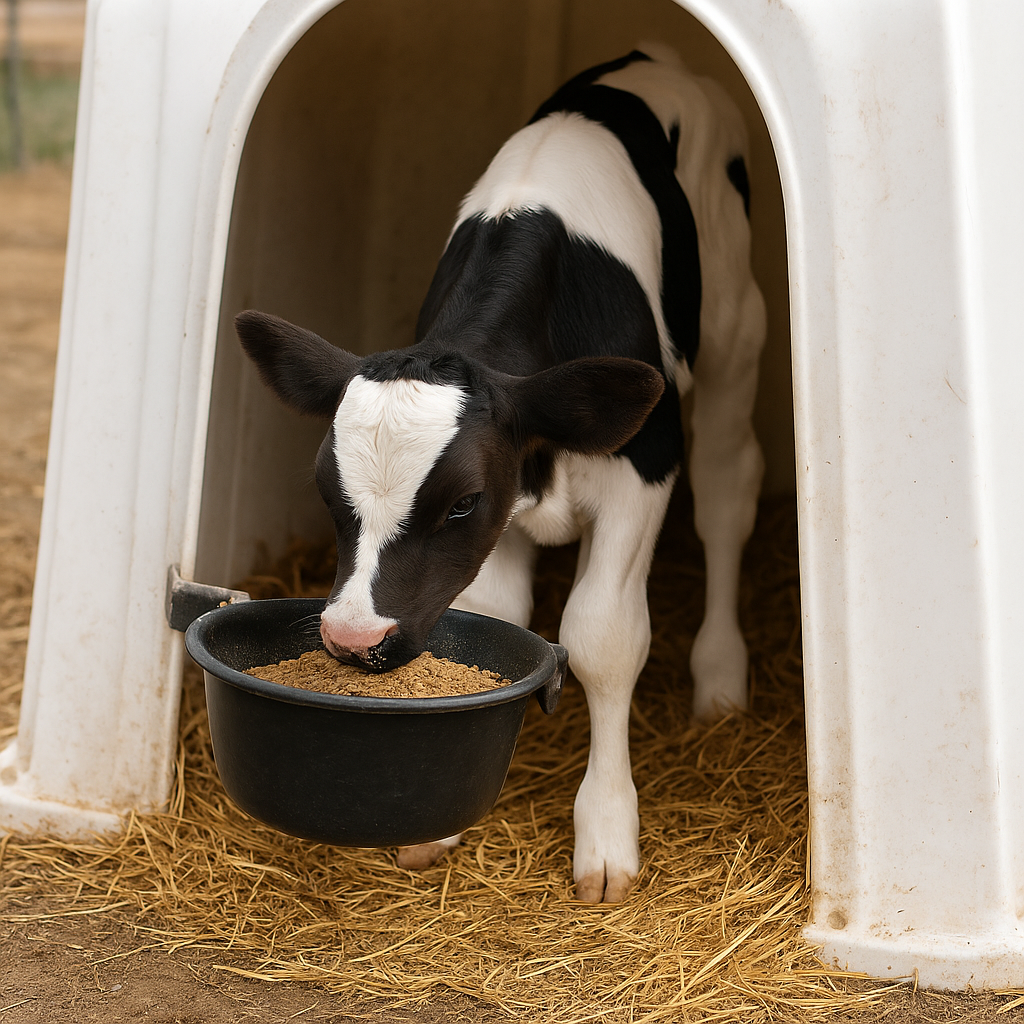
Raising Healthy Calves: From Birth to Weaning
Introduction 🐄👩🌾
Raising healthy calves is the future of every cattle farm. Whether you’re raising dairy cows for milk or beef cattle for meat, the health of a calf from birth to weaning determines the long-term success of the herd. For farmers, it’s a matter of livelihood. For people in towns and cities, it’s about understanding how milk, cheese, and beef reach the table.
In this guide, we’ll walk through every stage of raising a calf — from the moment it’s born to the time it’s weaned and ready to grow into a strong cow or bull. Along the way, we’ll highlight practical tools that farmers use worldwide, many of which are available online.
The First Hour of Life: Why It Matters ⏳
Colostrum – The Golden First Feed 🍼

The first milk a cow produces is colostrum — thick, yellowish, and full of antibodies. Without it, calves struggle to survive. Farmers often check that the calf nurses naturally, but if not, they step in with a colostrum feeder or bottle, we recommend this product;
Colostrum Supplement – highly rated, mixes easily, and provides essential immunity.
Navel Care: Protecting Against Infection 💧
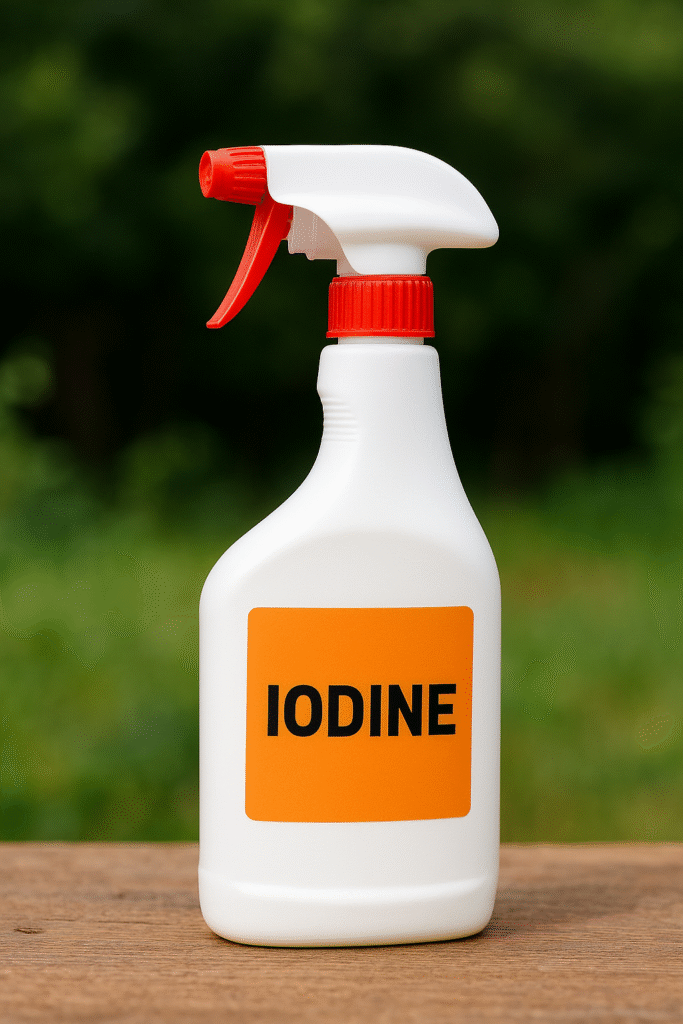
After birth, the calf’s umbilical cord is an open doorway for bacteria. Farmers dip or spray it with iodine to protect against navel infections.We recommend this product;
Veterinary Iodine Spray – simple, effective, and widely used in both dairy and beef herds.
Warmth and Comfort 🔥
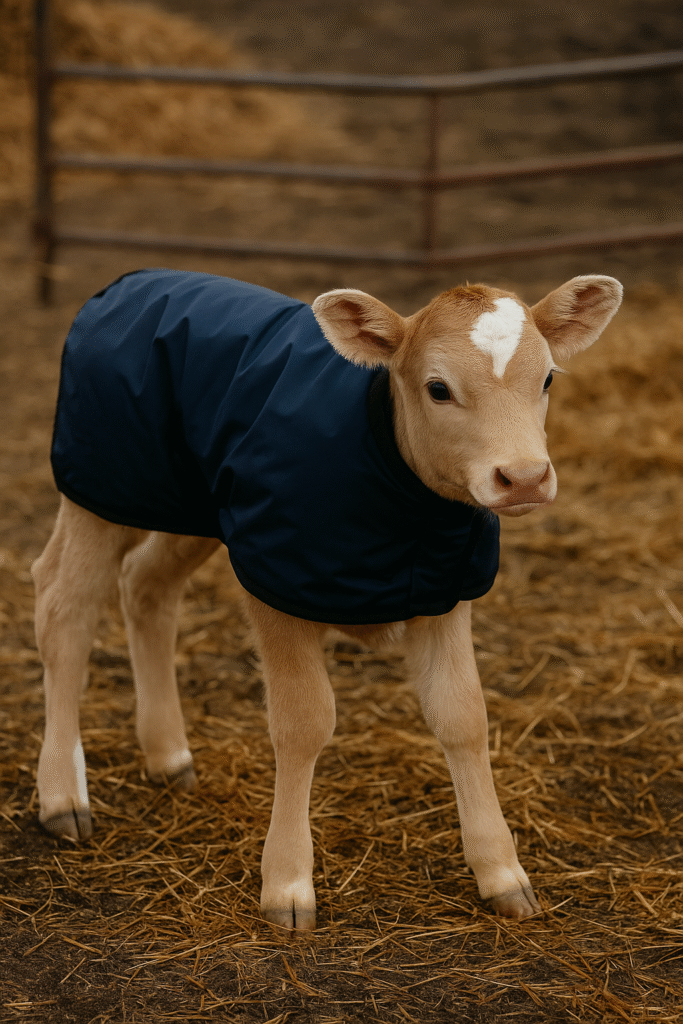
Newborn calves can’t regulate body temperature well. In cold climates, they need calf jackets or heat lamps. In warmer areas, clean straw bedding and shelter are enough.We recommend this product;
Calf Jackets with Waterproof Lining – keeps calves dry and warm in barns or hutches.
The First 48 Hours: Building a Strong Start 🐮
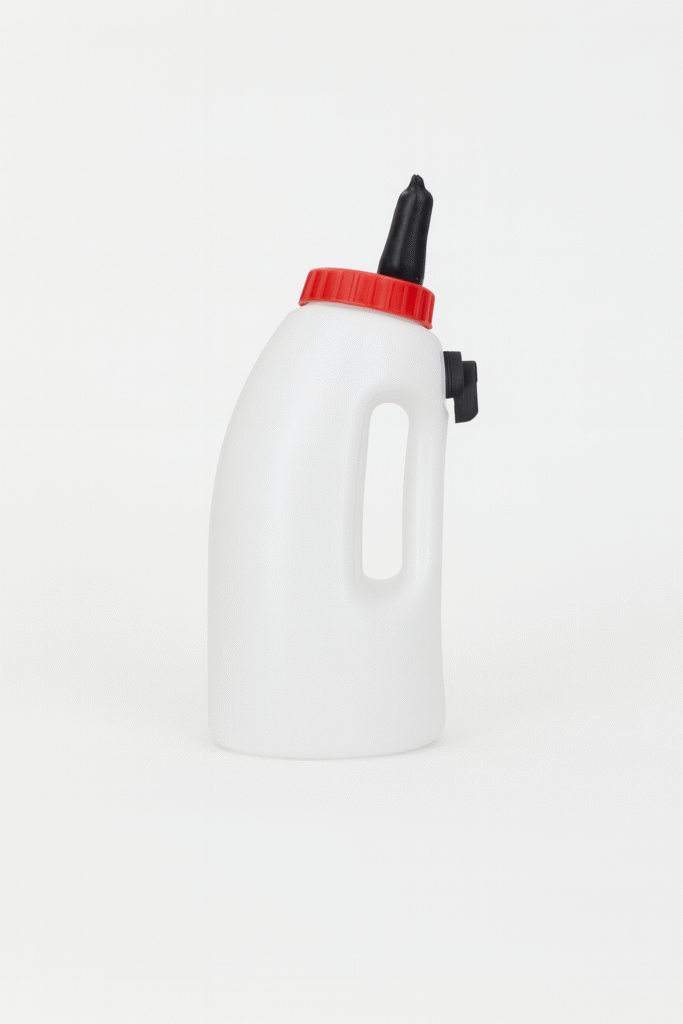
Feeding Essentials
- Dairy calves: Usually fed by bottle or bucket, sometimes using colostrum replacer if the dam’s milk isn’t available.
- Beef calves: Typically suckle naturally from their mothers.We recommend this product;
Calf Bottle with Nipple – durable, easy to clean, and farmer-approved.
Hydration is Key 💧

Even newborns need water alongside milk after the first 24 hours. Farmers place shallow water buckets in calf pens. We recommend this product;
Little Giant Flat Back Bucket – tough, lightweight, and perfect for calves.
Handling and Identification 🏷️

Farmers often tag calves early for record keeping. Some use electronic tags that track growth and health.We recommend this product;
Z Tag One Piece Calf Ear Tagger – simple, reliable tagging tool.
Weeks 1–4: Routine, Nutrition, and Clean Housing
Milk Feeding Schedule 🥛
Calves are usually fed twice a day — morning and evening. Dairy farmers may use milk replacers if the cow’s milk is sold commercially. We recommend this product;
Milk Replacer – trusted brand, balanced nutrition.
Housing 🏠
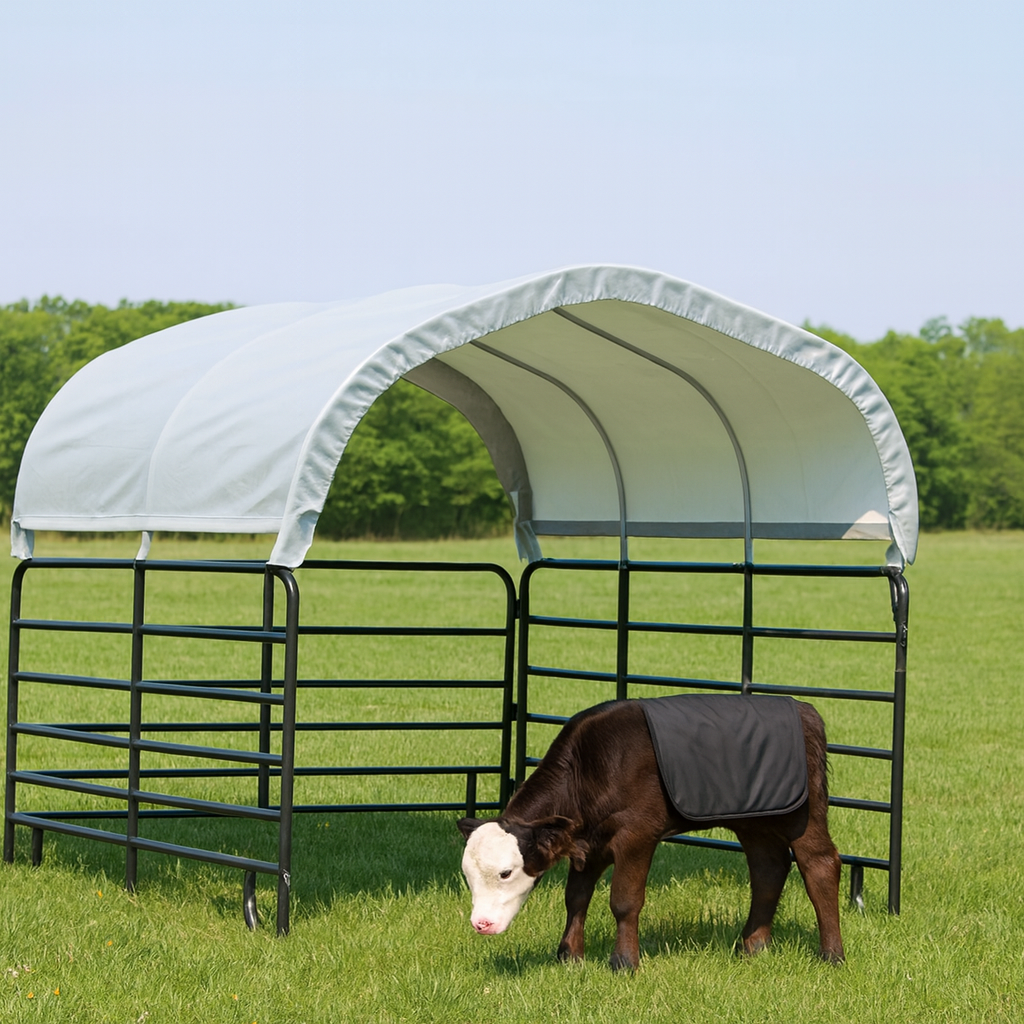
- Europe & USA: Calves are often raised in individual hutches for disease control.
- India & Africa: Calves may stay closer to the family cow, tied near the homestead.We recommend this product;
Calf Hutch Starter Kit – provides ventilation, bedding space, and protection.
Hygiene: Tools Farmers Swear By 🧹
- Disinfectants keep pens clean.
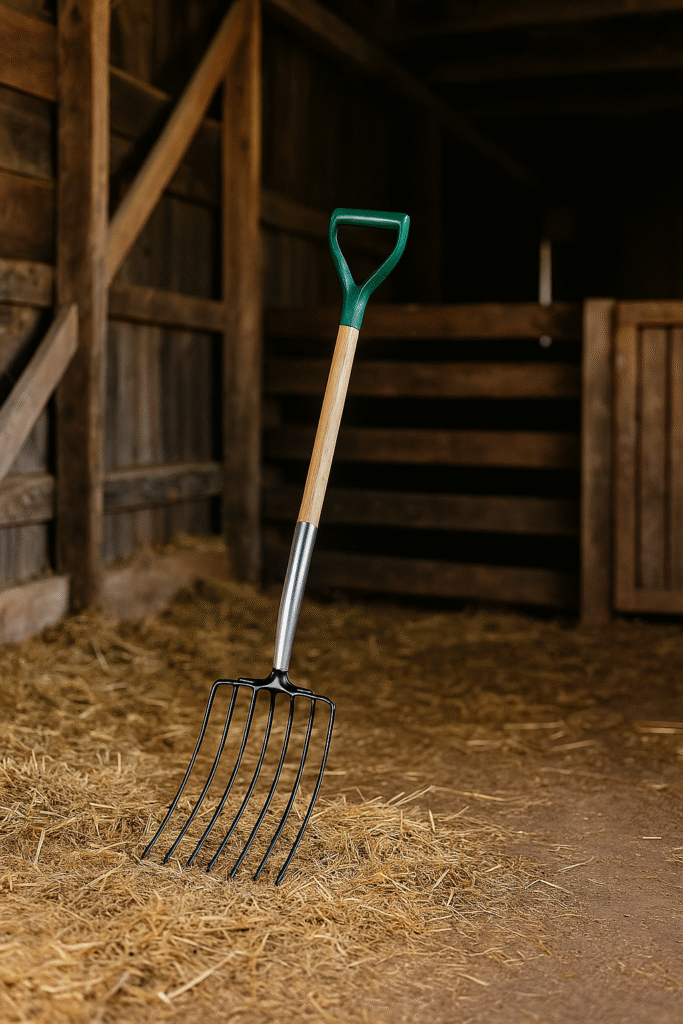
- Bedding forks make daily cleaning easier.
- Foot baths reduce disease spread.
- We recommend this product;
Truper manure bedding fork– A tough, easy to use bedding fork.
Weeks 4–8: Growing Calves Into Young Cattle 🌾
Starter Feeds
By week two, calves should have access to starter pellets. These encourage rumen development so they can digest forage later.
Vaccinations and Veterinary Care 💉
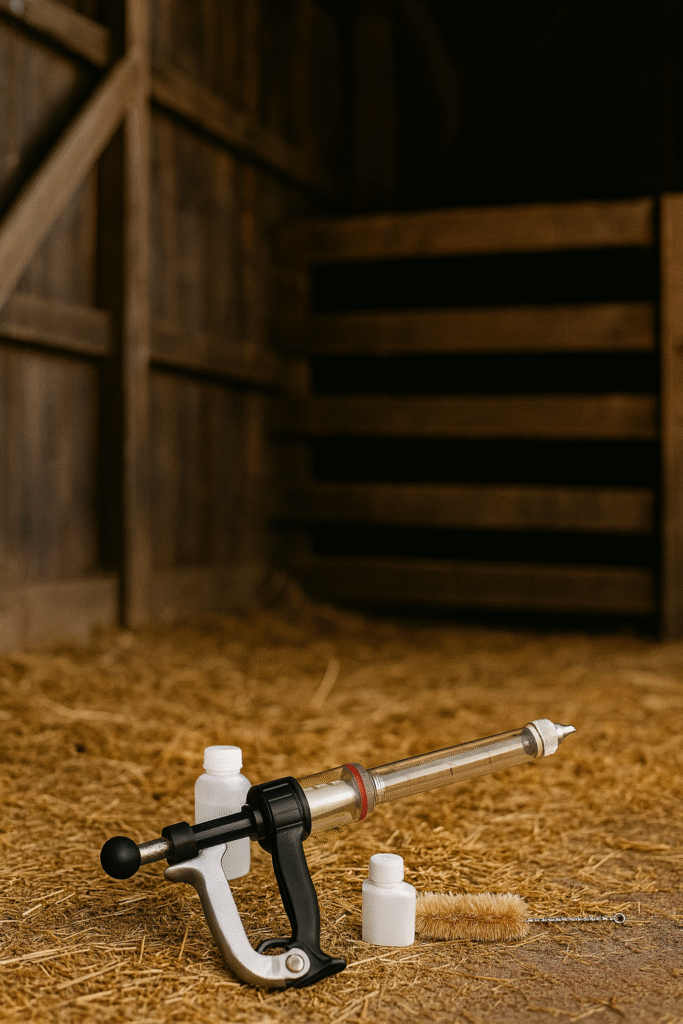
Veterinary routines vary by country, but common treatments include:
- Vitamin injections
- Dehorning or disbudding (for dairy)
- Vaccines against respiratory disease
- We recommend this product;
Calf Vaccination Kit.The all in one kit.
Weaning: Transitioning to Grass or Silage 🌱
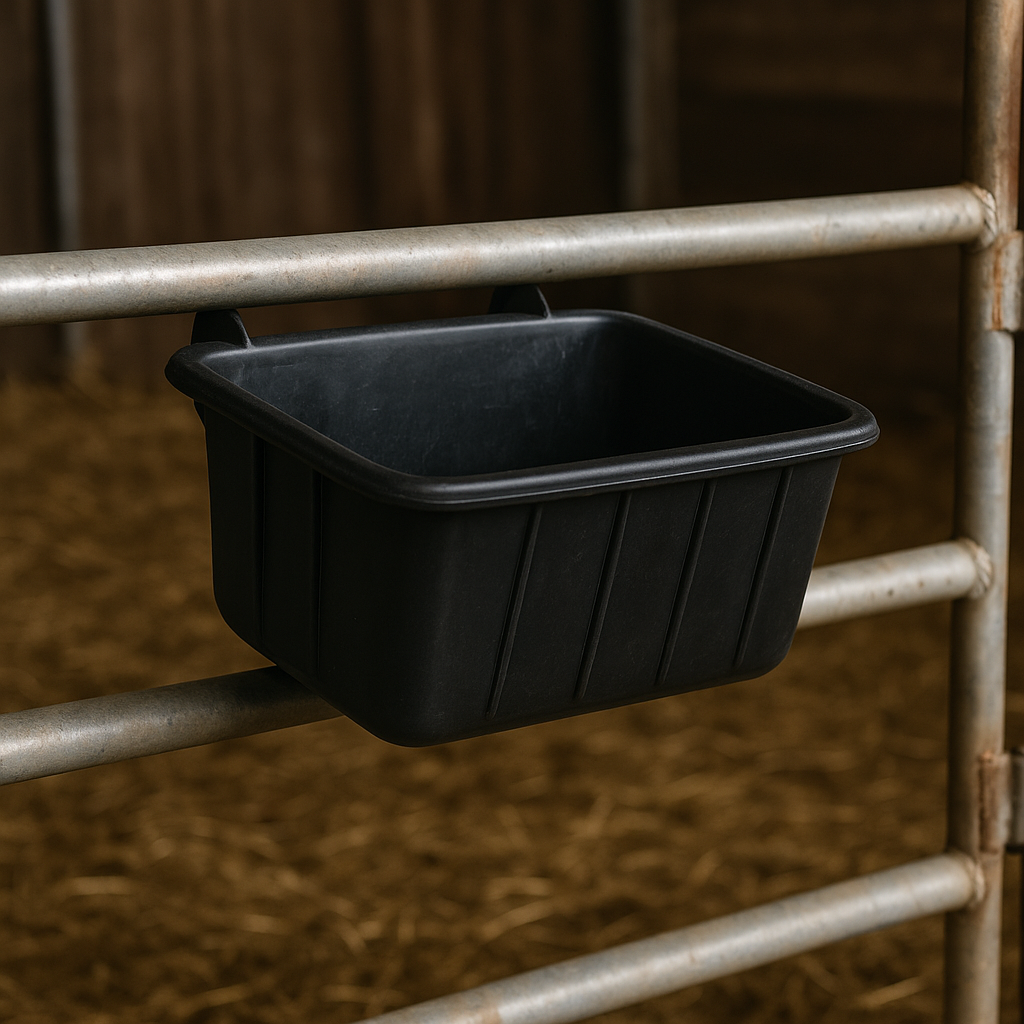
Weaning usually happens around 8–12 weeks when calves can eat enough solid feed. Farmers gradually reduce milk while increasing calf starter and hay.
We recommend this product;
Rubber Feed Trough – durable, safe for calves.
Tools of the Trade: Comparison Table ⭐
Here’s a quick look at the top products mentioned above:
| Product | Best For | Rating | Link |
| Colostrum Supplement 🍼 | Immunity at birth | ⭐⭐⭐⭐⭐ | See on Amazon |
| Veterinary Iodine Spray 💧 | Navel disinfection | ⭐⭐⭐⭐☆ | See on Amazon |
| Calf Jackets 🔥 | Warmth in cold climates | ⭐⭐⭐⭐⭐ | See on Amazon |
| MooMoo Calf Bottle 🍼 | Easy bottle feeding | ⭐⭐⭐⭐☆ | See on Amazon |
| Truper manure bedding fork🌾 | Makes cleaning easy | ⭐⭐⭐⭐☆ | See on Amazon |
| Rubber Feed Trough 🐄 | Weaning | ⭐⭐⭐⭐⭐ | See on Amazon |
Global Calf Rearing: Different Practices, Same Goals 🌍
- USA & Europe: Focus on biosecurity, individual hutches, and detailed records.
- India: Smallholder farmers often raise calves alongside family cows, important for household milk.
- Africa: Calves may graze earlier, with natural suckling being common.
- New Zealand & Australia: Outdoor systems dominate, often group housing on pasture.
Despite differences, the core principle is the same: calves need nutrition, hygiene, warmth, and veterinary care to thrive.
Conclusion: Healthy Calves = Healthy Farms 🐄❤️
Raising calves is both an art and a science. From colostrum to weaning, farmers worldwide rely on practical tools and daily care to ensure their calves grow into strong, productive cattle.
For rural readers, this guide provides a structured reminder of best practices. For urban readers, it opens a window into the hidden work that ensures safe milk and beef reach your table.