
How to Create or Restore a Mini Wetland on Your Property: A Practical 2025 Guide
Introduction: Turning Low Ground Into Living Land
In our last post, Why Wetlands Matter: Nature’s Hidden Powerhouses, we explored how wetlands quietly protect biodiversity, filter water, and balance ecosystems. But what if you could bring those same benefits to your own backyard, paddock, or lifestyle block?
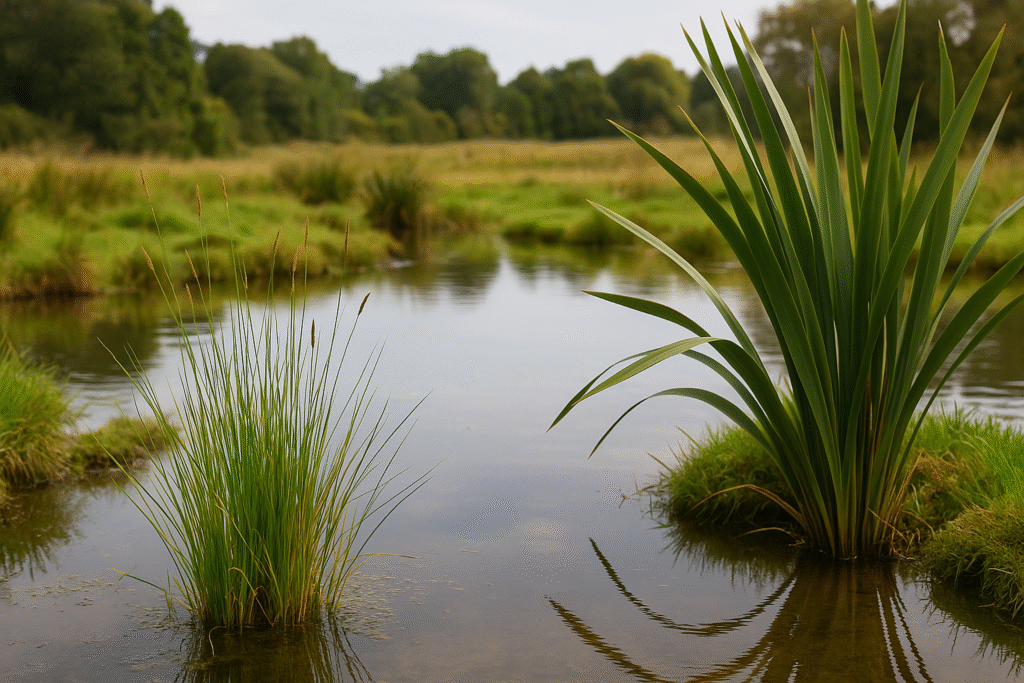
Creating or restoring a mini wetland isn’t complicated. Whether you have a small farm or a damp corner of a suburban garden, you can build a thriving pocket of habitat where water, plants, and wildlife work together naturally. It’s a project that supports the environment, improves soil health, and adds beauty to your land.
This guide shows exactly how to create a mini wetland — from spotting the right location to choosing plants and maintaining your system for years of life and growth.
Step 1 — Find the Right Spot
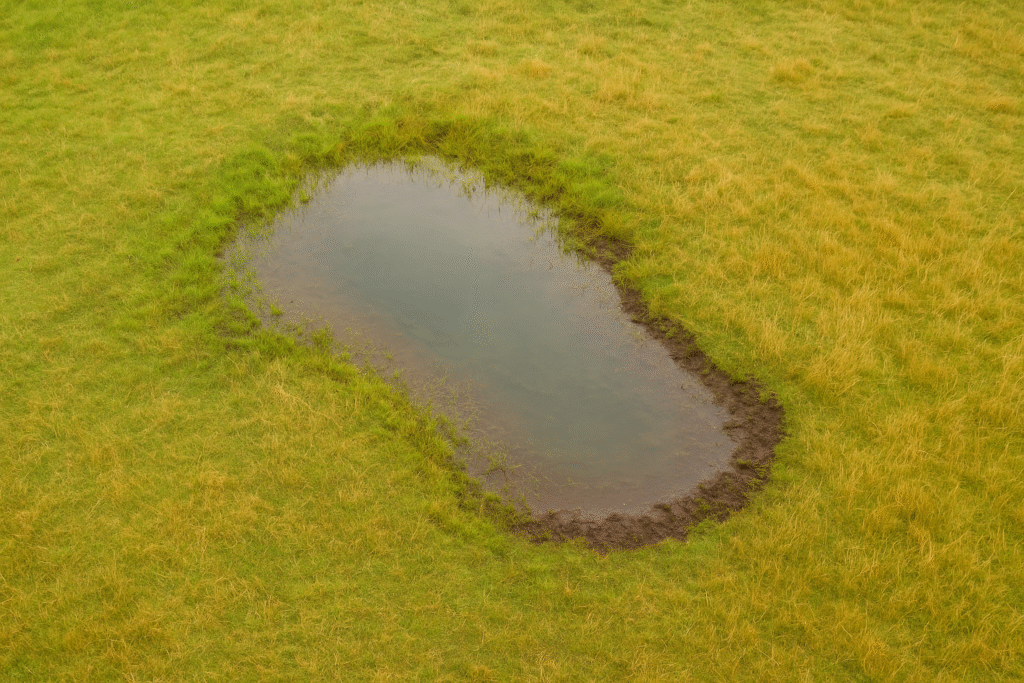
Nature often tells you where a wetland wants to form. Walk your property after heavy rain and notice where water gathers. Those low, damp areas — hollows, shallow gullies, or drainage lines — are the most promising.
Avoid spots near septic systems, driveways, or buildings, and think about how rainwater flows across your land. On farms, these areas may already sit unused or boggy. On lifestyle blocks, a slight hollow might just need shaping to hold water longer.
In towns, even a small garden depression or rain-fed ditch can become a mini wetland.
If you have livestock, fence off your chosen area to prevent trampling. Livestock compact soil and disturb young plants. A simple wire or post fence, or even a single electric strand, protects your investment while letting wildlife move freely.
💧 Optional Tip: Measure Rainfall and Retention
To understand your site better, place a basic rain gauge nearby and keep a small log. After rainfall, note how long water stays visible.
- If it disappears within 24 hours, you’ll want to compact the soil slightly or dig a deeper basin.
- If it lingers for several days, you already have the perfect conditions.
You can also test soil saturation by digging a 30 cm hole, filling it with water, and timing how quickly it drains. This helps you decide whether to add a clay layer or liner later.
Step 2 — Understand Water Flow & Soil
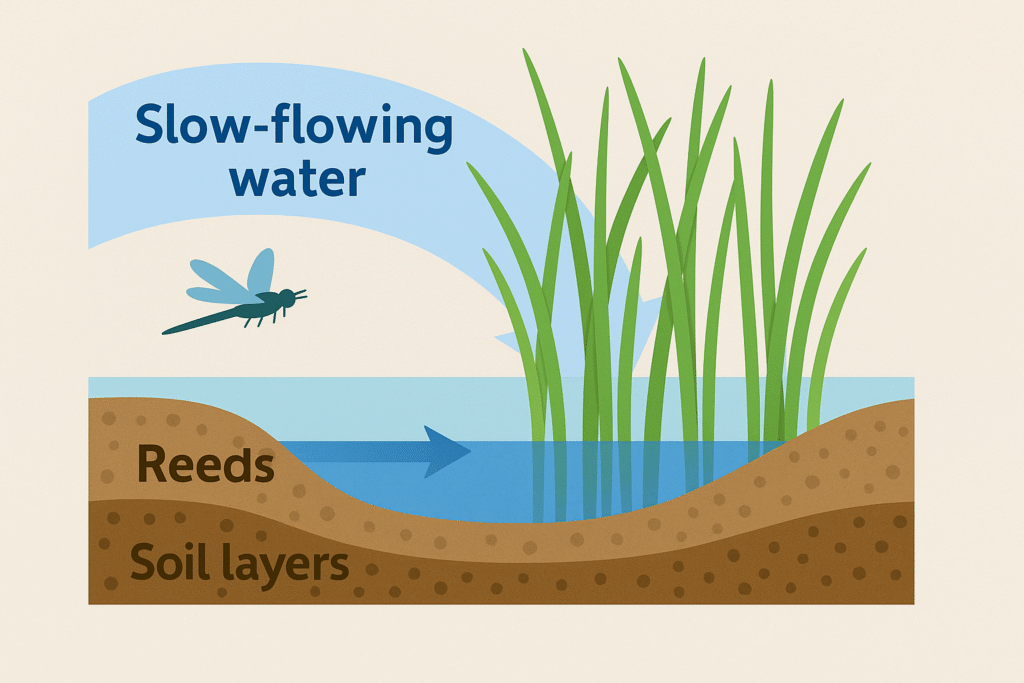
Water is the lifeblood of every wetland. To create a mini wetland, first understand how it moves across your property.
An ideal wetland has a slow, steady inflow and outflow. This keeps water clean and prevents stagnation. You don’t want a pond; you want a living filter.
Check Your Soil Type
- Clay soils hold water and are perfect.
- Sandy soils drain too quickly — line them with compacted clay or a natural pond liner.
- Loamy soils can work with shallow shaping and dense planting.
Keep the shape irregular, with gentle slopes from dry edges to shallow water. A mix of depths (5–30 cm) supports different plant species.
Step 3 — Choose the Right Native Plants
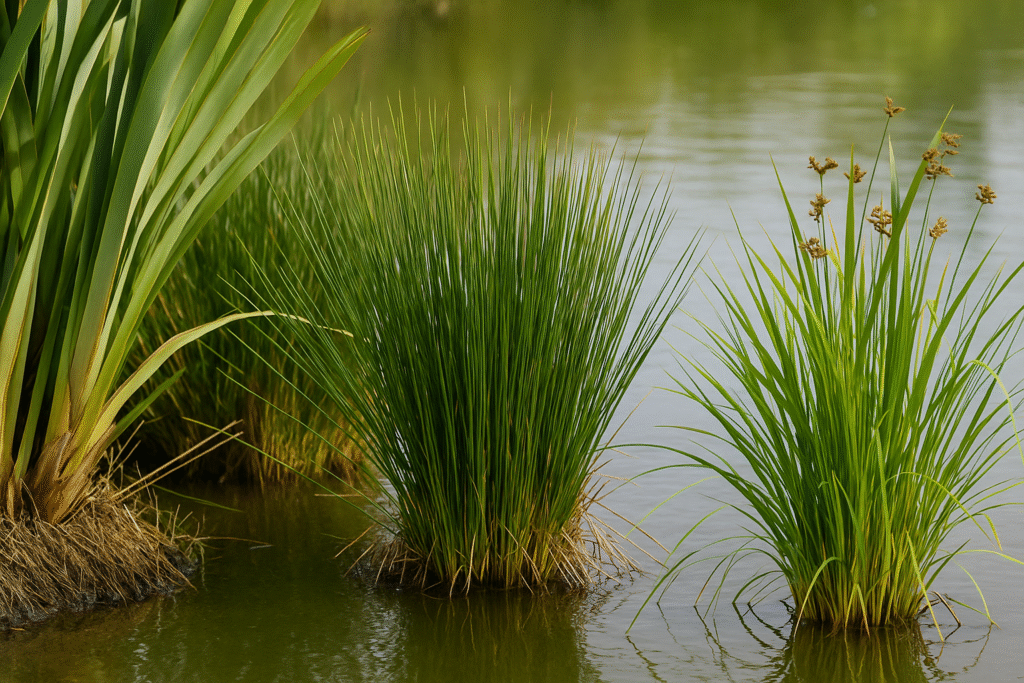
Plants are what transform a puddle into a wetland. Choose native species that thrive in damp soils — they’ll attract local wildlife and need little care once established.
Three Key Plant Zones
- Edge or Emergent Zone (Shallow Edges):
- Harakeke (flax), Carex secta, Juncus edgariae, or wiwi (rush).
- These plants trap sediment, stabilize soil, and provide nesting sites.
- Harakeke (flax), Carex secta, Juncus edgariae, or wiwi (rush).
- Mid-Water Zone (Shallow to Moderate Depths):
- Raupō (bulrush), Schoenoplectus, and native grasses.
- Offer shelter for frogs, invertebrates, and small fish.
- Raupō (bulrush), Schoenoplectus, and native grasses.
- Deep-Water Zone:
- Myriophyllum triphyllum and native water lilies.
- Oxygenate the water and keep the system balanced.
- Myriophyllum triphyllum and native water lilies.
When planting, aim for clusters rather than rows. Nature doesn’t plant in straight lines — variety creates resilience and texture.
Step 4 — Planting & Protection
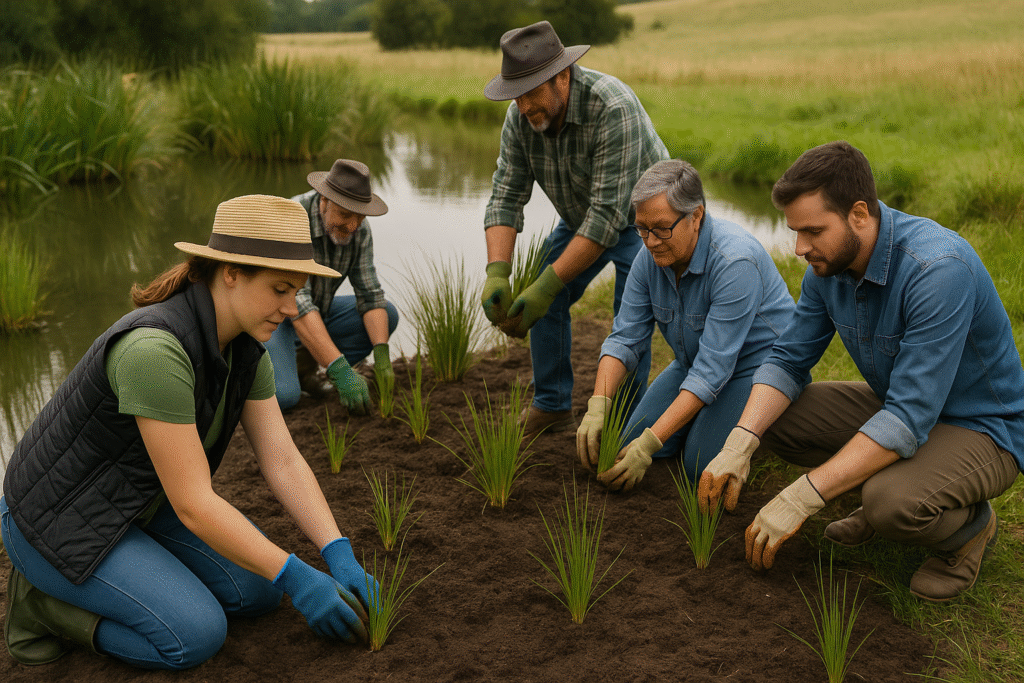
Plant in autumn or early spring, when soil is moist and temperatures are mild.
Dig holes about twice the size of each root ball and press soil firmly around the base. Group 3–5 of each species together — this prevents erosion and creates natural-looking clumps.
After planting:
- Water thoroughly for the first few weeks.
- Mulch lightly with straw or jute matting (not bark chips).
- Guard plants from stock, ducks, or rabbits with temporary fencing or netting.
A newly planted wetland might look sparse, but within a year you’ll see dramatic growth and returning wildlife.
Step 5 — Maintain & Monitor Your Wetland
A thriving wetland doesn’t need constant work — just regular observation.
Remove invasive weeds like willow, reed canary grass, or gorse as soon as they appear. Keep inflow and outflow channels open, and let natural leaf litter build up around plant bases.
Each season brings new changes:
- Spring: rushes and sedges grow rapidly; new bird activity begins.
- Summer: water levels drop — ideal for monitoring roots and weed growth.
- Autumn: foliage dies back, enriching soil with organic matter.
- Winter: rains refill the wetland and refresh its ecosystem.
💡 Common Mistakes to Avoid
Even small errors can slow a wetland’s progress. Watch out for:
- Over-draining: adding deep trenches or pipes that remove water too fast.
- Planting too densely: crowding reduces sunlight and oxygen exchange.
- Using garden mulch in water: it breaks down too quickly and robs oxygen.
- Ignoring weeds early on: invasive species spread faster in damp soil.
- Neglecting water flow: still water turns stagnant, while rushing water erodes soil.
By staying alert during the first year, you’ll avoid expensive rework later.
Step 6 — The Benefits You’ll Notice Over Time
Once your plants take hold, the transformation begins.
- Cleaner runoff: sediment and nutrients get trapped before reaching waterways.
- Richer soil: decomposed plant matter improves fertility around the edges.
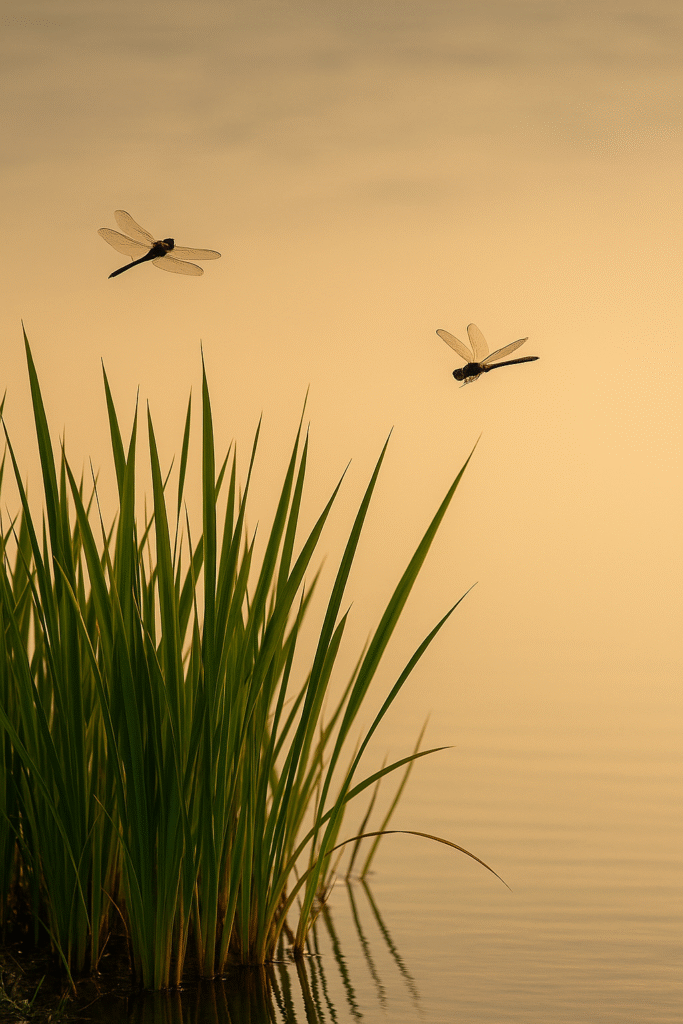
- More wildlife: birds, frogs, and insects find food and shelter.
- Flood protection: wetlands absorb heavy rainfall and release it slowly.
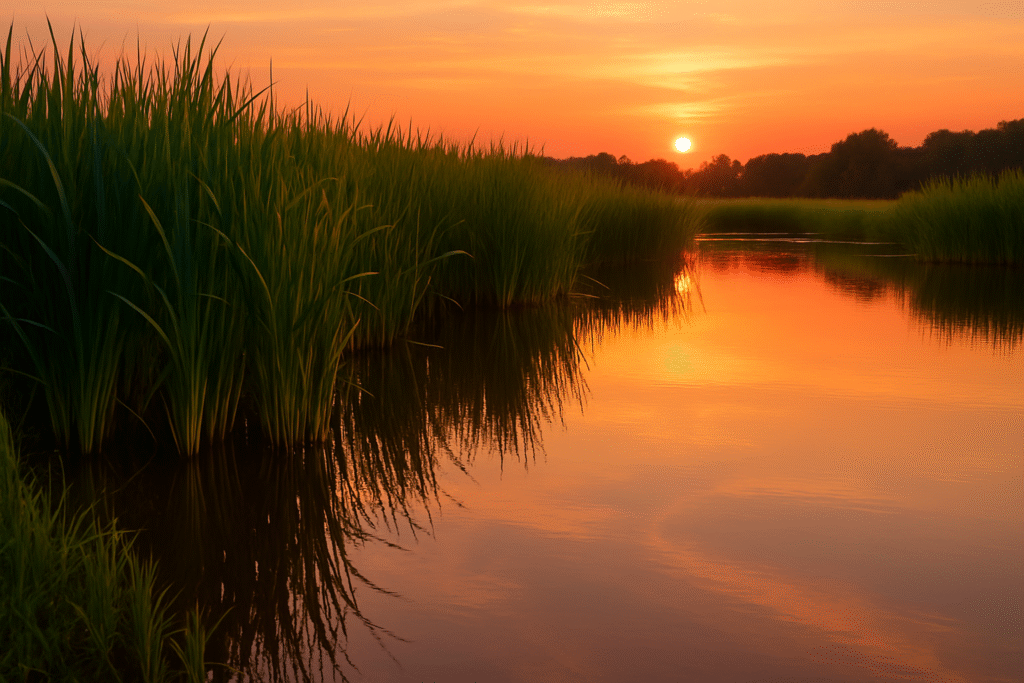
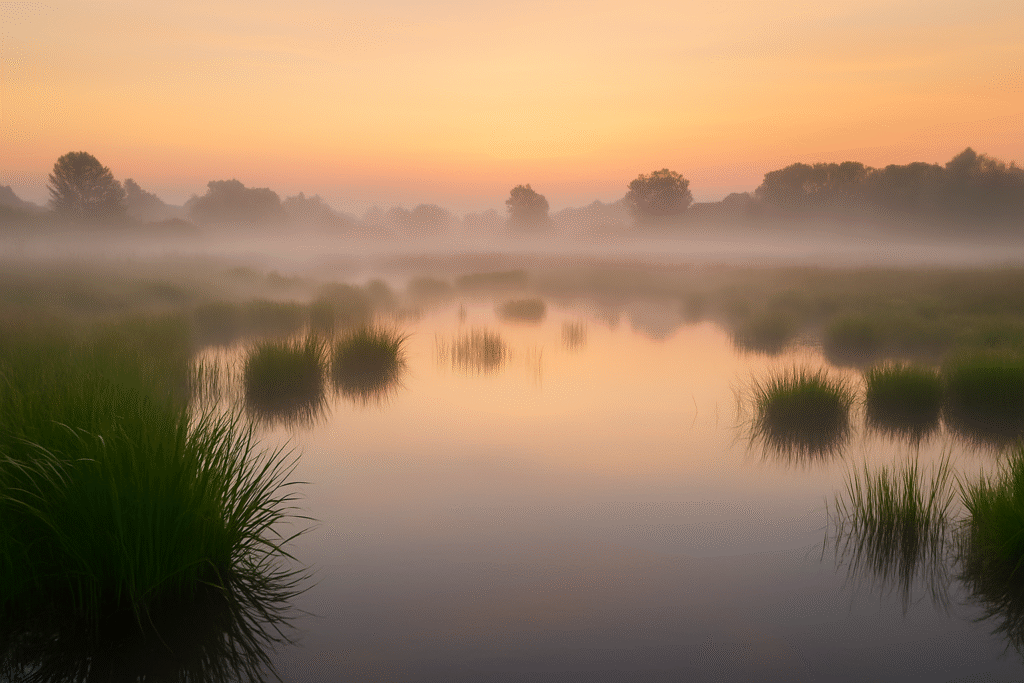
- Beauty & calm: reflections, birdsong, and soft light create a natural sanctuary.
Even a few square metres can make a difference. It’s not just a feature — it’s a functioning ecosystem.
Step 7 — Connect to the Bigger Picture
Every mini wetland contributes to a wider network of life. Together, they link habitats, protect waterways, and restore balance to the land.
If you’ve built one, share your success. Local councils and trusts often offer advice, native plants, or small grants for restoration. Joining a catchment group connects you with others doing the same work — creating corridors for birds, insects, and clean water across the region.
🌱 Real-Life Examples
1. The Lifestyle Block Bird Haven
A couple near Waikato fenced off a damp paddock corner where the mower always bogged. Within two years, their mini wetland overflowed with flax, sedges, and native grasses. Pūkeko and ducks now nest there every spring, and the area stays firm through heavy rain instead of turning to mud.
2. The Urban Frog Pond
In suburban Melbourne, a family reshaped a rain-fed hollow into a small lined wetland with native rushes and a shallow shelf for plants. Frogs appeared after just one season, and the pond now holds overflow from garden beds, keeping the lawn dry and thriving.
Both examples prove that wetlands don’t need to be large to be powerful — they simply need care and connection.
🌾 The Long-Term Payoff
Over time, your mini wetland will stabilise its own cycles. You’ll see fewer weeds, clearer water, and more birds and insects each year. You’ll also notice subtle benefits — better drainage in surrounding paddocks, healthier soil, and fewer runoff issues after storms.
When neighbours see the results, you might even inspire them to start their own restoration. That’s how landscape change begins: one small wetland at a time.
🌿 Reflecting on the Journey
Creating a wetland isn’t just an environmental act — it’s a mindset shift. It reminds us that working with nature often delivers better results than fighting against it.
Every patch of water that’s protected or restored helps combat flooding, supports biodiversity, and stores carbon. Whether it’s a few square metres behind a shed or a full farm gully, your mini wetland becomes part of the global network keeping ecosystems alive.
Further Reading
- Why Wetlands Matter: Nature’s Hidden Powerhouses
- Regenerative Dairy Farming: Can It Heal the Land?
Dairy Farm Waste Management: Turning Effluent into Renewable Energy