
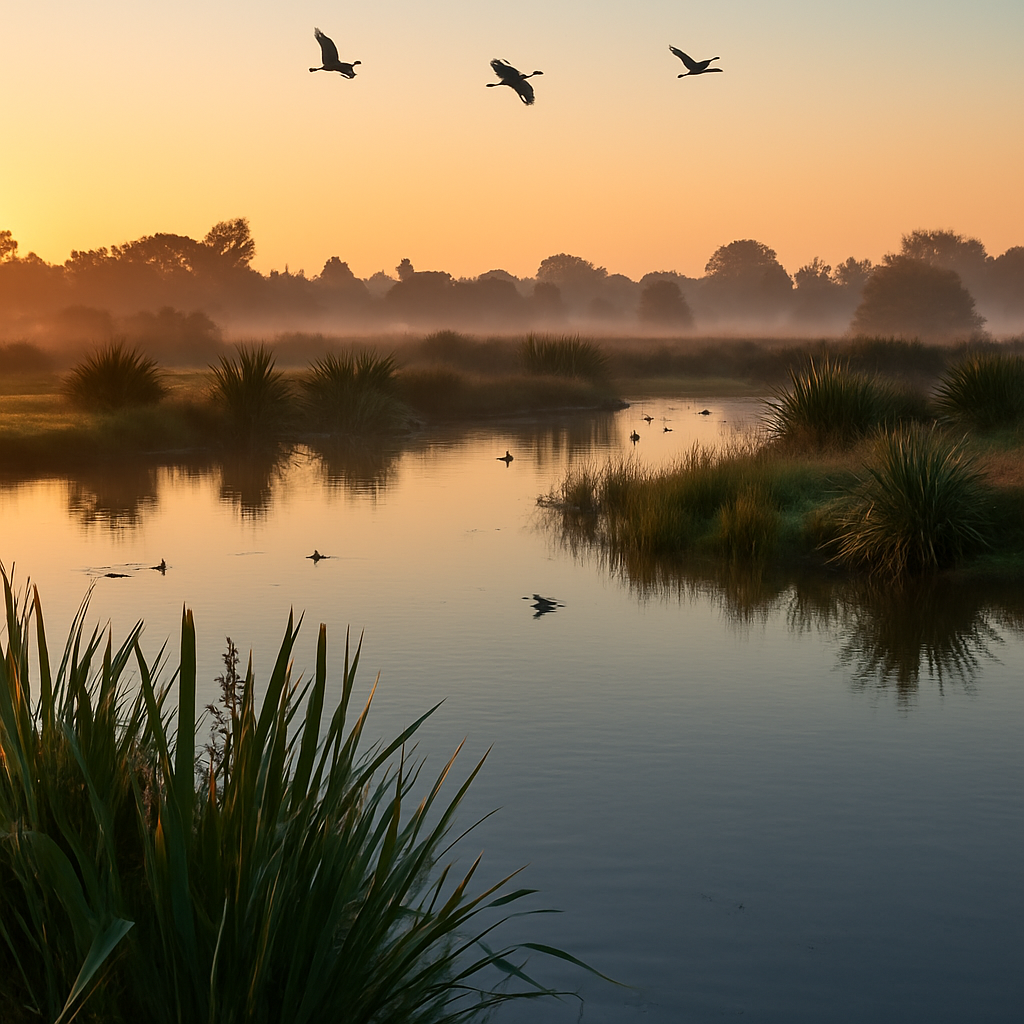
🌾 Why Wetlands Matter: Nature’s Hidden Powerhouses
Introduction
Across farms, lifestyle blocks, and towns, there’s a quiet hero shaping healthy landscapes — wetlands. These watery ecosystems don’t shout for attention; they simply work. They filter water, shelter life, protect soil, and store carbon.
For generations, many were drained or filled to make room for pasture and housing. Yet today, farmers, landowners, and communities are rediscovering their value. Wetlands aren’t wasted land — they’re working nature, balancing productivity and ecology.
Let’s explore why these environments matter so deeply for flora, fauna, and the future of sustainable living.
What Exactly Is a Wetland?
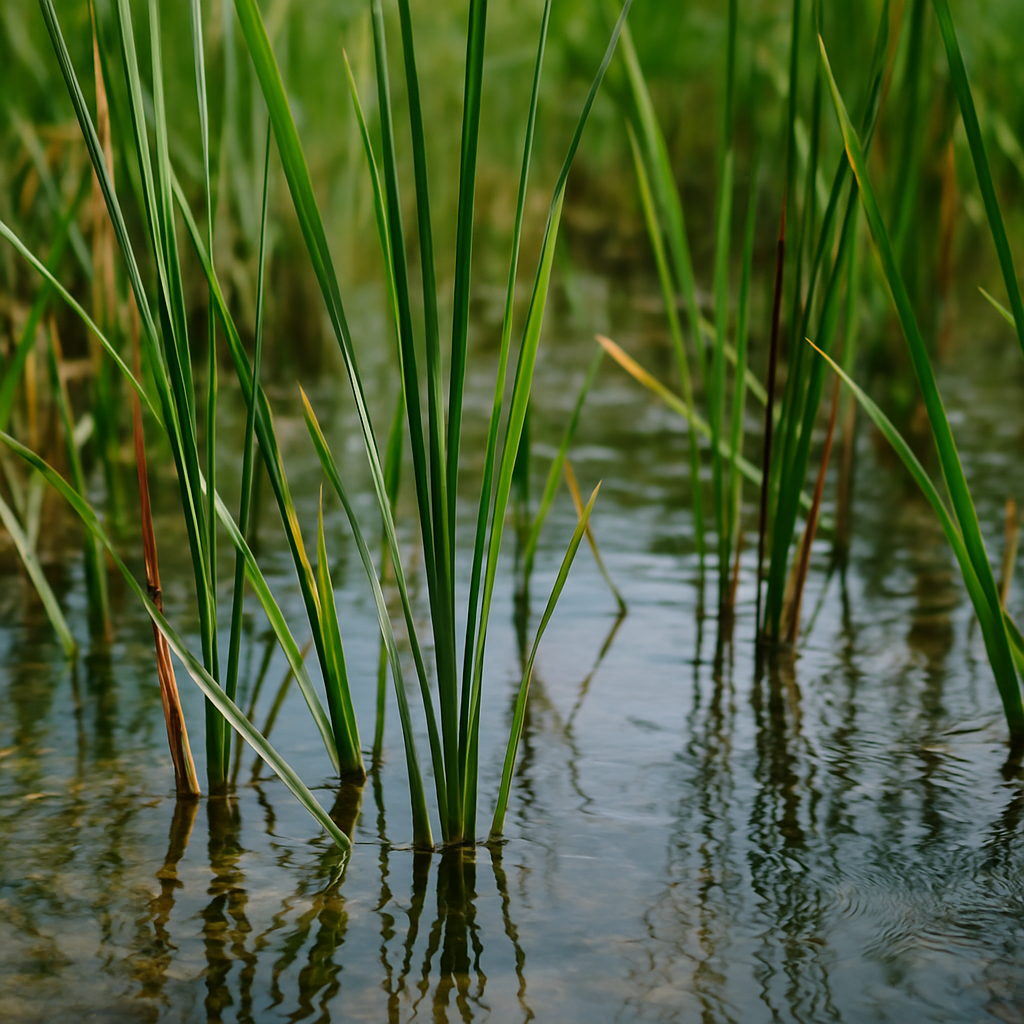
A wetland is any area where the ground is soaked or flooded long enough to influence soil and plant life. Think marshes, swamps, bogs, ponds, and springs — even seasonal low spots that stay damp after rain.
In each, water lingers near the surface, creating unique conditions that support moisture-loving plants such as rushes, sedges, flax, and raupō. These plants, in turn, create habitats for insects, birds, fish, and amphibians.
Wetlands form a bridge between land and water. They catch runoff, slow it down, and give nature time to do its quiet work of cleaning and recycling.
The Web of Life Within Wetlands
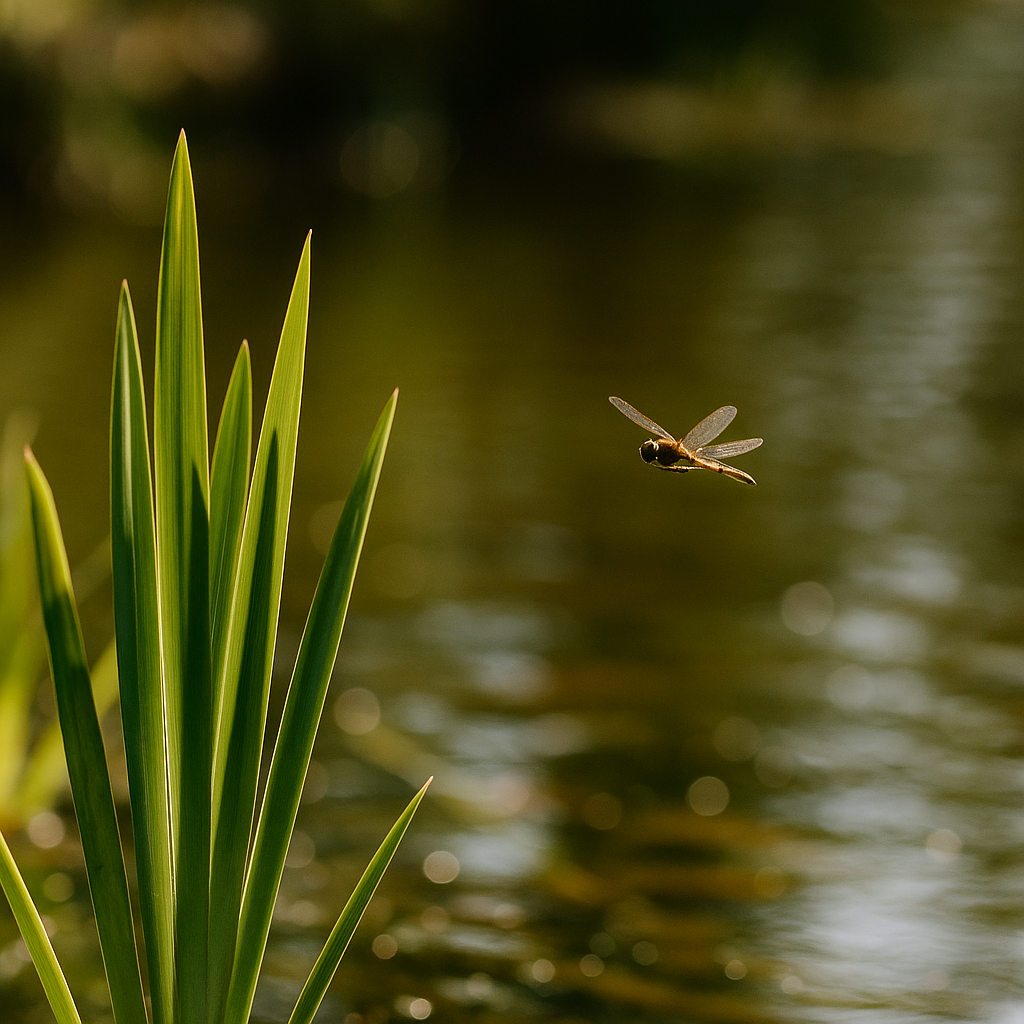
A Refuge for Flora
Wetland plants are specialists. Some grow with their roots permanently underwater; others thrive in soils that alternate between wet and dry. Collectively they stabilise soil, filter sediment, and feed wildlife.
Key native plants often found in New Zealand and Australia include:
- Harakeke (flax) – strong, deep-rooted, provides nectar for birds.
- Raupō (bulrush) – filters water, shelters fish and insects.
- Carex species (sedges) – excellent at trapping sediment and nutrients.
A Haven for Fauna
From tiny insects to migratory birds, wetlands teem with life.
- Birds: Pūkeko, herons, stilts, ducks, and kingfishers rely on wetlands to feed and breed.
- Amphibians: Frogs and other small species thrive where moisture persists.
- Fish: Whitebait and eels use wetlands as nurseries and migration paths.
Together, these species weave an ecosystem that keeps balance across the wider landscape.
How Wetlands Help the Land
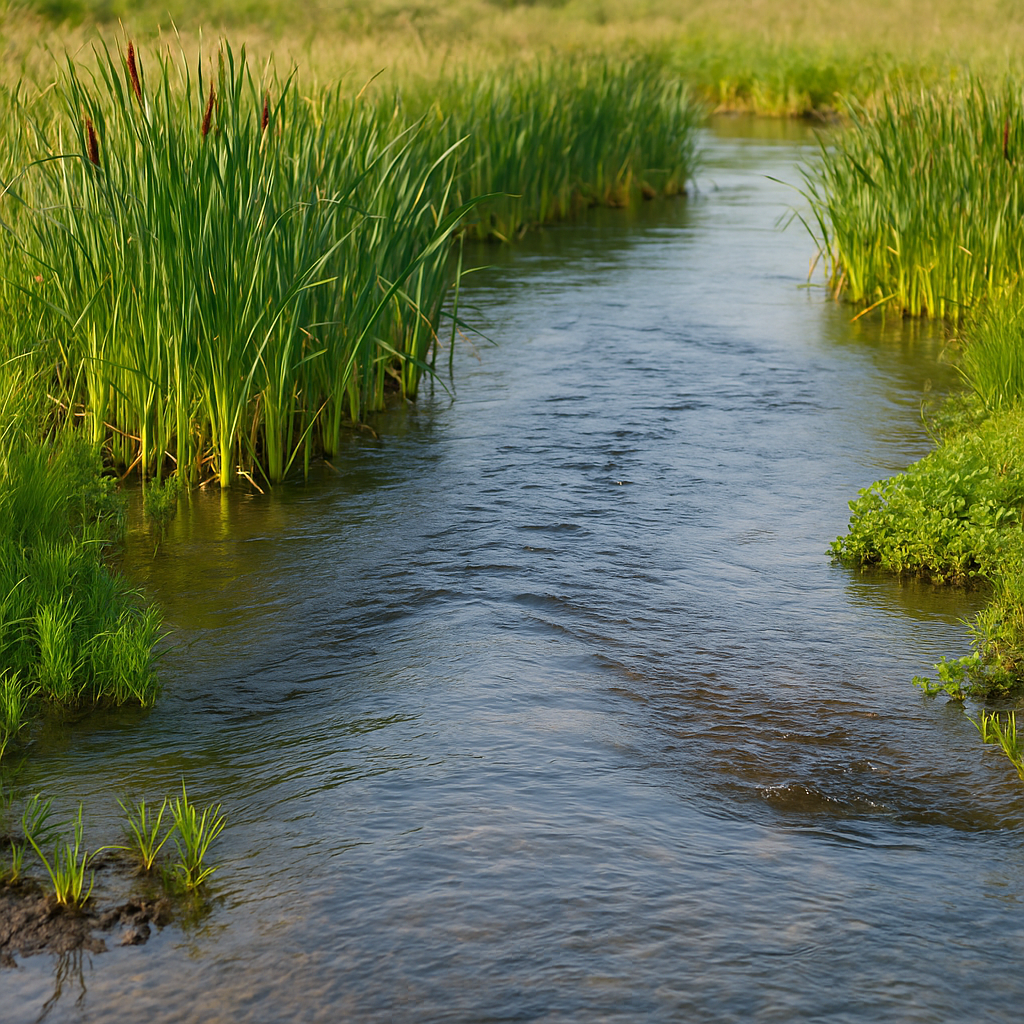
1. Natural Water Filters
As water passes through a wetland, soil and plants act like a sieve. Sediment settles, nutrients such as nitrogen and phosphorus are absorbed, and clean water flows out to streams and rivers. This process reduces nutrient pollution — a major challenge in both urban and rural areas.
2. Flood and Drought Protection
Wetlands are natural sponges. During heavy rain, they absorb and slow down floodwaters; during dry periods, they gradually release moisture back into surrounding soils. This gentle buffering protects crops, stock, and infrastructure.
3. Erosion Control
Plant roots anchor soil and stabilise streambanks. On lifestyle blocks, this reduces washouts. On farms, it protects valuable topsoil and reduces maintenance on drains and culverts.
4. Climate Support
Wetlands capture carbon in their plant matter and soils. Even a small wetland can store surprising amounts of carbon, helping mitigate climate change and build resilience.
5. Habitat Corridors
In fragmented landscapes, wetlands serve as stepping-stones connecting forest patches, waterways, and farmland. Birds and insects travel safely through them, spreading seeds and maintaining biodiversity.
Why Wetlands Belong on Farms
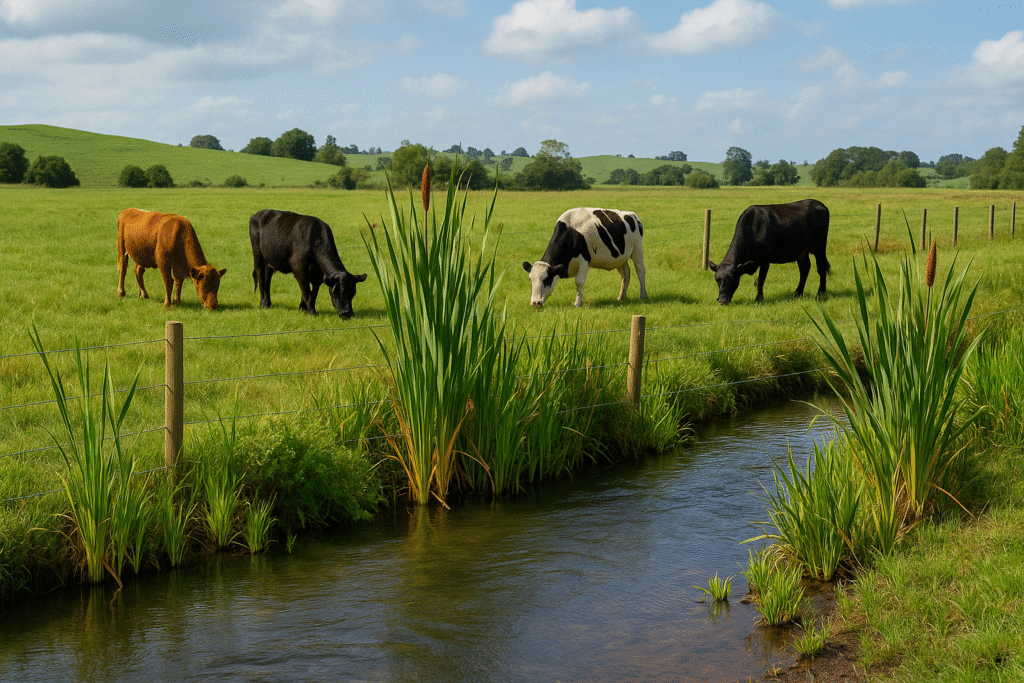
For farmers, wetlands offer practical and ecological value.
- Productivity: Turning wet paddock corners into fenced wetland areas removes ungrazeable land while improving overall farm efficiency.
- Water Quality: Wetlands trap sediment and nutrients from runoff before they reach streams.
- Compliance: Natural filtration supports regional water-quality goals and can help demonstrate good environmental stewardship.
- Stock Safety: Fencing off boggy zones prevents animal losses and injuries.
- Wildlife: Birds and insects that live around wetlands help with pollination and pest control.
A functioning wetland complements productive land — not competes with it.
Wetlands on Lifestyle Blocks
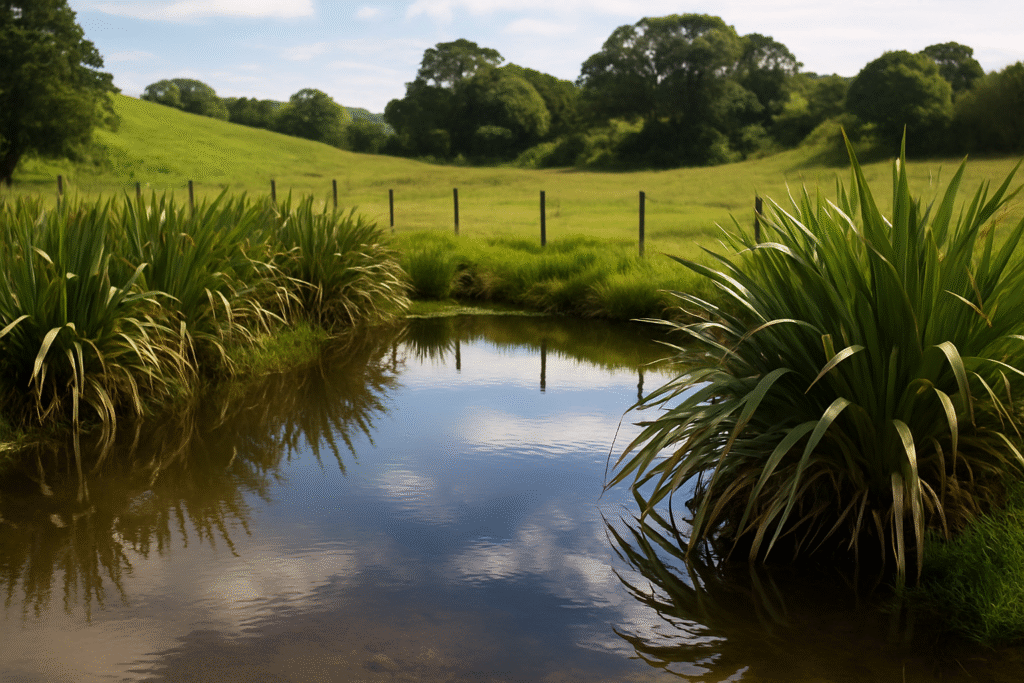
Lifestyle block owners often value beauty and biodiversity. A small wetland adds both: birdsong, dragonflies, reflections, and the satisfaction of creating habitat.
It’s also a great teaching tool for children and visitors. Watching frogs return or flax flowers open reminds us how quickly nature responds when given space.
Even a modest gully or drain can be planted and managed as a mini-wetland. Simple steps like fencing, planting, and avoiding fertiliser near edges go a long way.
Wetlands in Town and City Landscapes
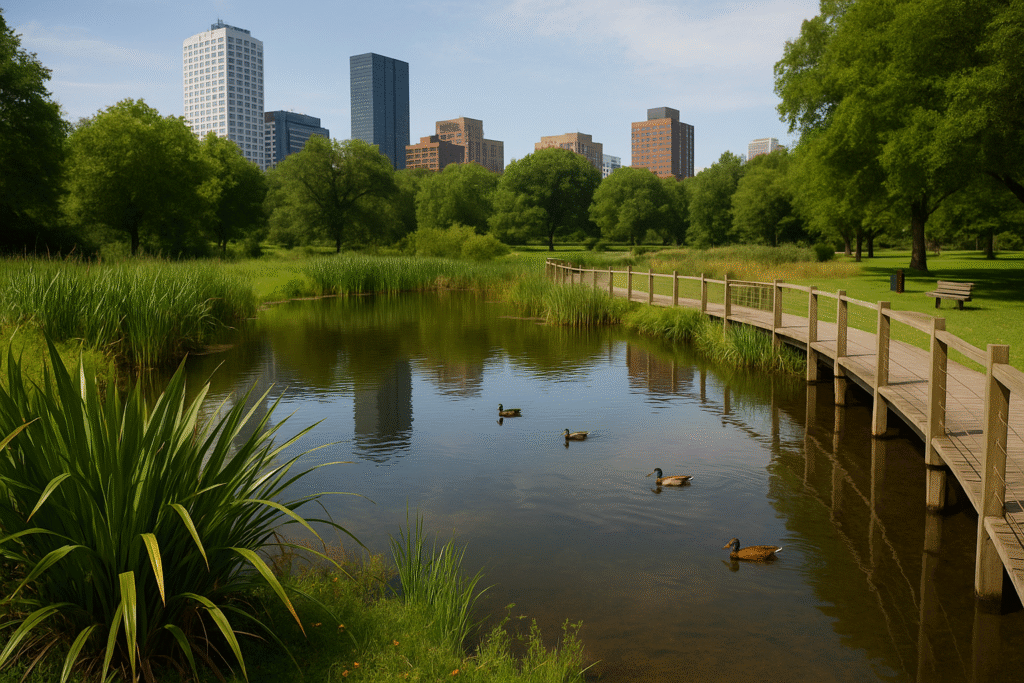
Urban wetlands — whether purpose-built stormwater ponds or natural remnants — play vital roles in towns too.
- Stormwater Control: They absorb heavy rainfall, reducing flooding.
- Pollution Filtration: Vegetation filters road runoff, oils, and sediment before water enters streams.
- Cooling & Aesthetics: Wetlands moderate local temperature and provide green oases in built environments.
- Community Connection: Boardwalks and viewing areas turn them into living classrooms and peaceful spaces.
Even small city wetlands create pockets of biodiversity, offering people daily contact with nature — something increasingly rare in modern life.
Creating or Restoring a Wetland
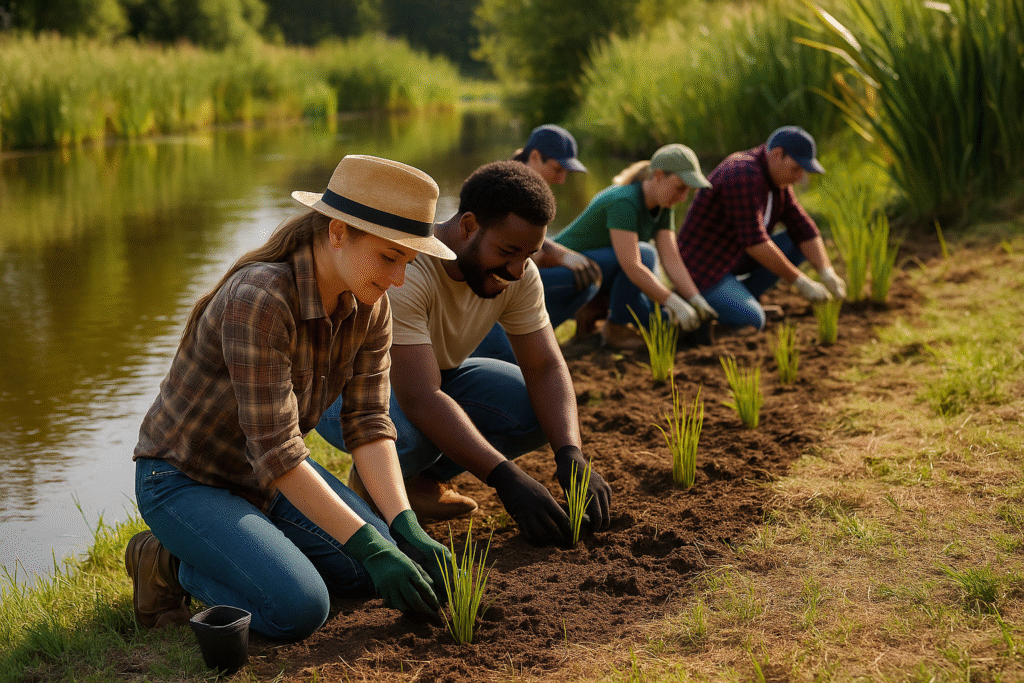
Anyone can help restore wetland function. Whether on a farm, block, or backyard, here’s how to start:
1. Identify Wet Areas
Notice low spots that stay damp or collect runoff. Mark them on a map and observe through the seasons.
2. Fencing and Access
Exclude stock to prevent pugging and nutrient loading. Provide a narrow gateway for maintenance if needed.
3. Native Planting
Choose local native species adapted to different moisture zones: flax, raupō, cabbage tree, manuka, sedges, and rushes. Mix fast-growers for quick cover with long-lived structural plants.
4. Weed and Pest Control
Monitor regularly for invasive weeds and animal pests. Early removal keeps the ecosystem balanced.
5. Water Flow
Ensure inflow and outflow remain natural but not extreme. Avoid unnecessary drainage or complete stagnation.
6. Ongoing Care
A wetland matures over years. Replant gaps, clear rubbish, and enjoy watching wildlife return.
Challenges and Misunderstandings
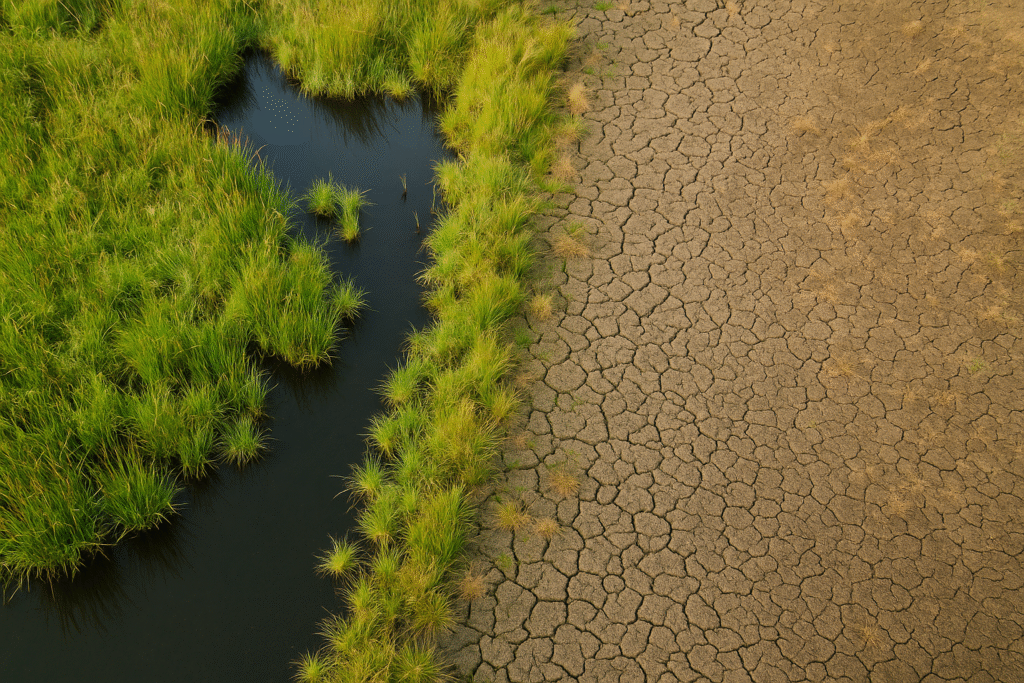
a picture of a thriving wetland and drained farmland.”
Wetlands can seem messy or unproductive, which leads to common misconceptions.
- “It’s wasted land.” In truth, it’s protective land — preventing erosion, filtering runoff, and adding natural capital.
- “They attract pests.” Managed wetlands support native predators that keep mosquito numbers low.
- “They’re hard to manage.” With fencing and native planting, maintenance is minimal once established.
- “They’re just for conservationists.” Farmers and urban councils alike rely on wetlands for water-quality targets and flood resilience.
Changing these perceptions is part of a wider shift toward living with nature, not against it.
The Bigger Picture: Wetlands and Climate Resilience
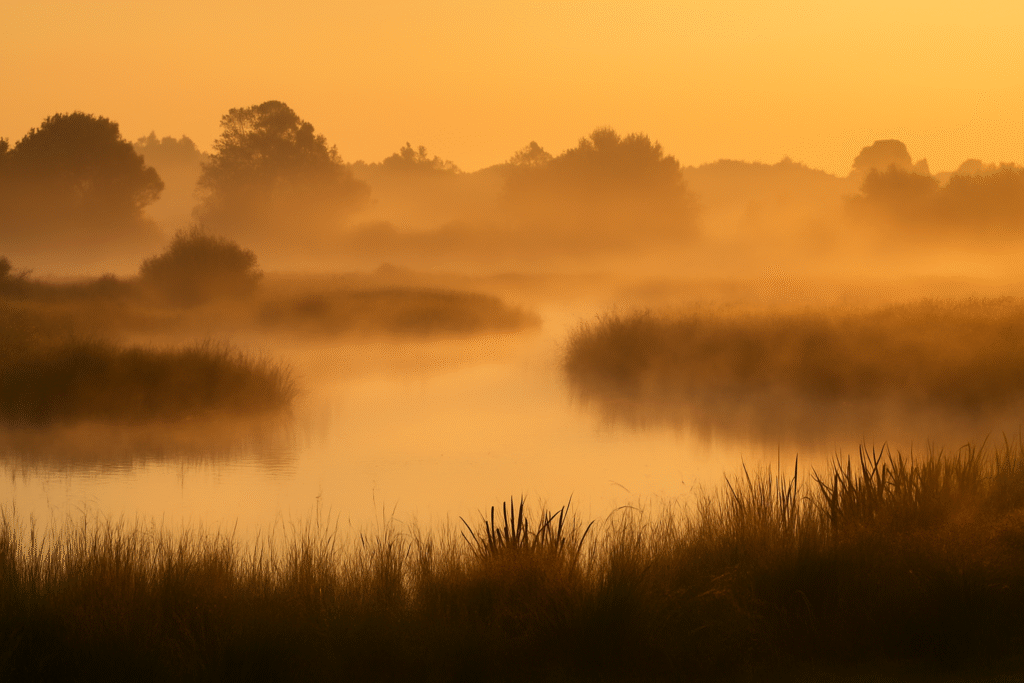
As climate extremes increase, wetlands act as nature’s buffer. They store water during floods, supply moisture during droughts, and capture carbon that would otherwise enter the atmosphere.
Protecting them is one of the simplest, most cost-effective climate strategies available. Every hectare counts — from restored farm corners to urban stormwater ponds.
When landowners see wetlands as allies, they strengthen the resilience of entire catchments.
Getting Involved
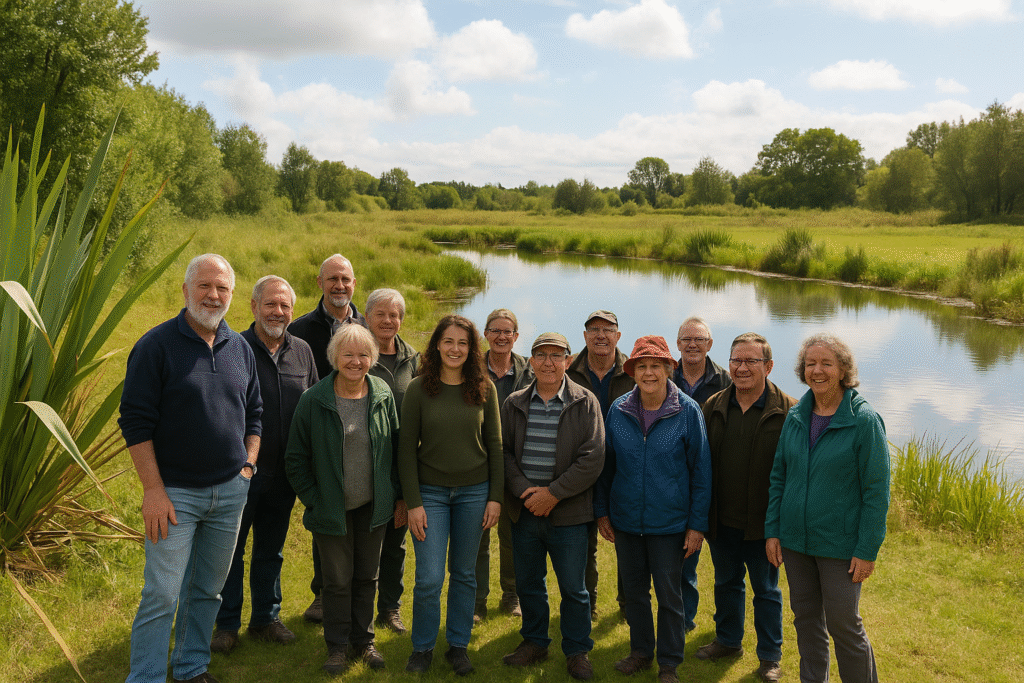
Want to make a difference?
- Contact local conservation or catchment groups.
- Ask your regional council about fencing and planting grants.
- Join community planting days.
- Share your own wetland journey online to inspire others.
Collective small actions build big landscapes.
Further Reading on Yield & Convert
If you enjoyed this article, explore more ways people and the land work together:
- 🌱 Regenerative Dairy Farming: Can It Heal the Land?
- ♻️ Dairy Farm Waste Management: Turning Effluent into Renewable Energy
- 💪 Self-Care for Farmers: Why Skincare & Muscle Relief Matter
Together, these stories show how sustainability isn’t a single action — it’s a pattern of respect for the land, the water, and those who work with it.
Closing Thoughts
Wetlands are more than waterlogged corners — they’re nature’s quiet powerhouses. Every rush, flax, and frog plays a role in filtering water, sheltering life, and keeping our landscapes healthy.
Whether you own a farm, manage a lifestyle block, or live in town, there’s a place for wetlands in your world. Protect them, plant them, and let them do what they’ve always done best — nurture balance between people and planet.