
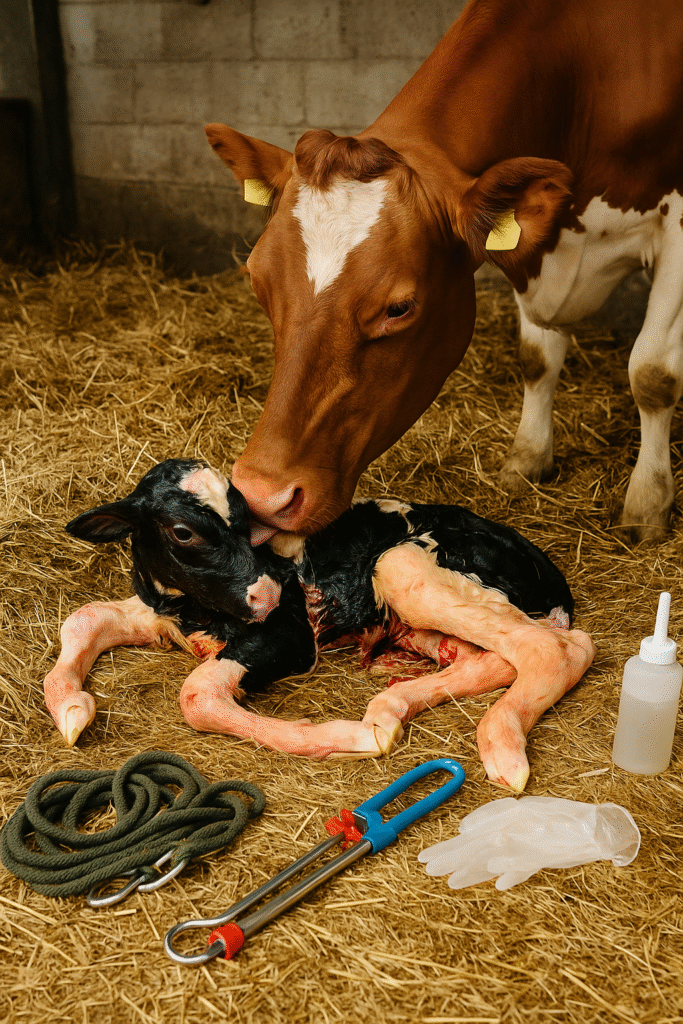
🐄 Calving in Cows: A Global Guide to What’s Needed, Tools Used, and Practices Around the World
Introduction: Why Calving in Cows Matters
Calving in cows is the heartbeat of both dairy 🥛 and beef 🥩 farming worldwide. Without successful births, there’s no milk in the tank and no calves to carry herds forward. For rural farmers, calving is a hands-on and sometimes exhausting job, as I know myself from my years of farming, days of 18 hours are not uncommon. For urban readers, it’s an opportunity to peek behind the scenes and appreciate the dedication it takes to bring food to the table.
This article explains what calving is, the tools and care required, and explores how calving looks in different parts of the world 🌎. From European barns to South American pastures, the methods may differ, but the shared goal is always the same: healthy cows, healthy calves, sustainable herds.
🔍 What Is Calving in Cows?
- 📅 Cows are usually bred to calve once per year.
- 🐮 Dairy breeds: Holstein, Jersey, Brown Swiss.
- 🐂 Beef breeds: Angus, Hereford, Charolais.
- ⚖️ Purpose: Dairy farms time calving to maintain milk flow, while beef farmers focus on producing strong calves for growth or sale.
🚨 Signs of Calving Approaching
Farmers everywhere know the telltale signs:
- 🐄 Udder filling (called “springing”).
- 🌊 Water bag or mucous discharge visible.
- 🤔 Restlessness, lying down then standing up again.
- 🐕 Isolation — cow may move away from the herd.
- 👣 Appearance of calf feet at the vulva.
🏠 Preparing for Calving
Housing and Environment
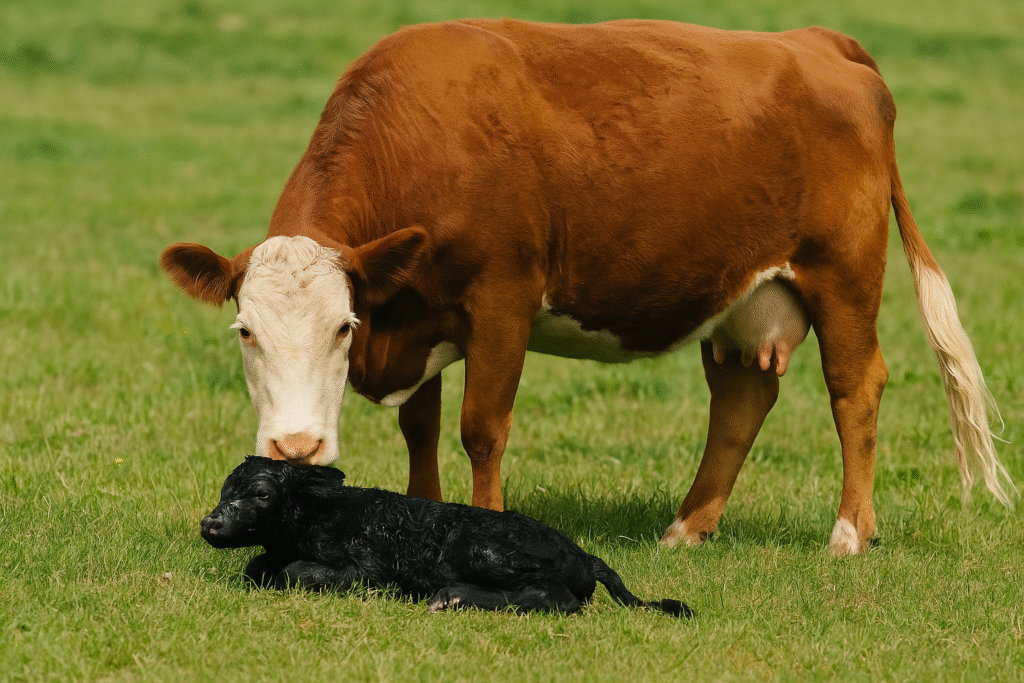
🌾 Beef cows: Often calve in fields or open pastures.
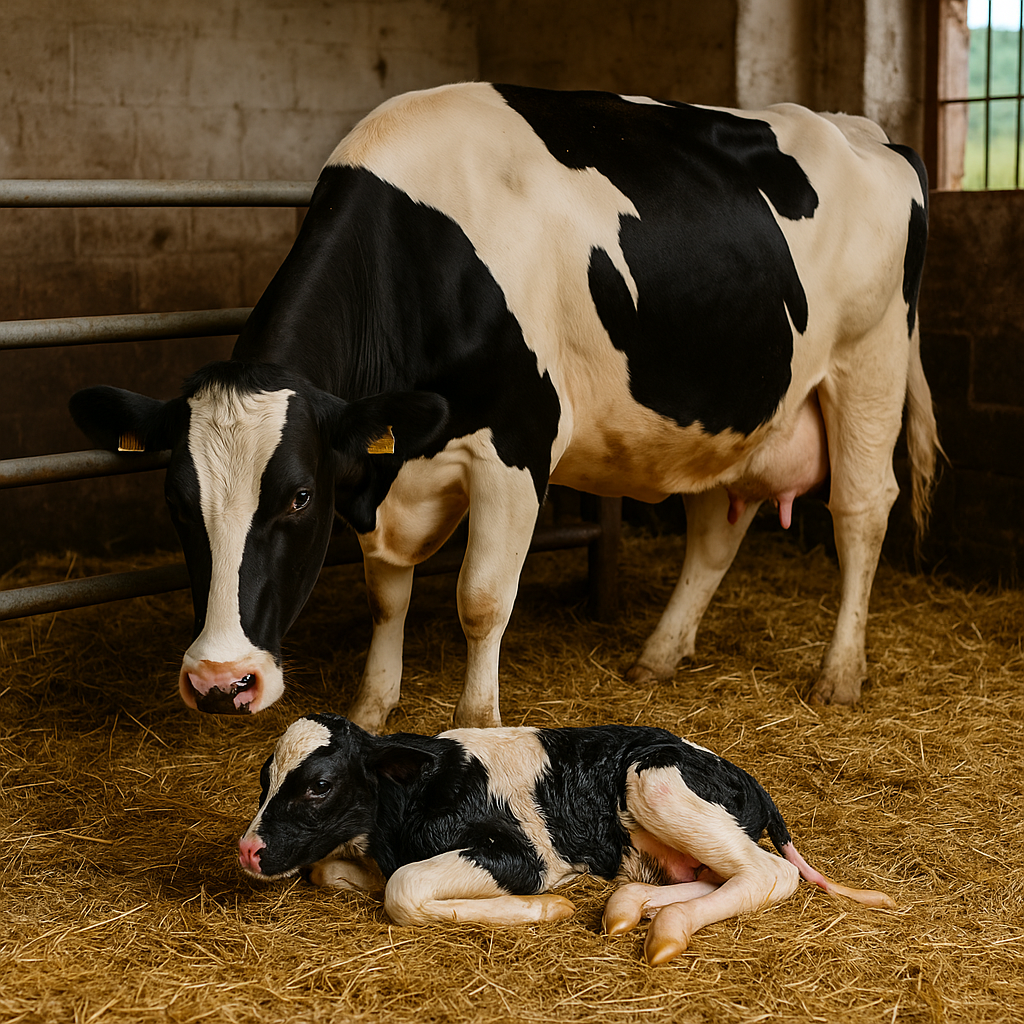
🐄 Dairy cows: Typically calve in barns or calving pens for close observation.
Nutrition
- 🥕 Balanced diets, avoiding excess energy near calving.
- 💊 Minerals such as calcium and magnesium are crucial.
Hygiene
- 🧽 Clean pens with fresh straw or sand bedding.
- 🚿 Disinfected surfaces reduce infection risks.
🛠️ Essential Tools for Calving
Farmers prepare a calving kit with the following:
🏠 Calving pen/box — clean, enclosed, and safe.
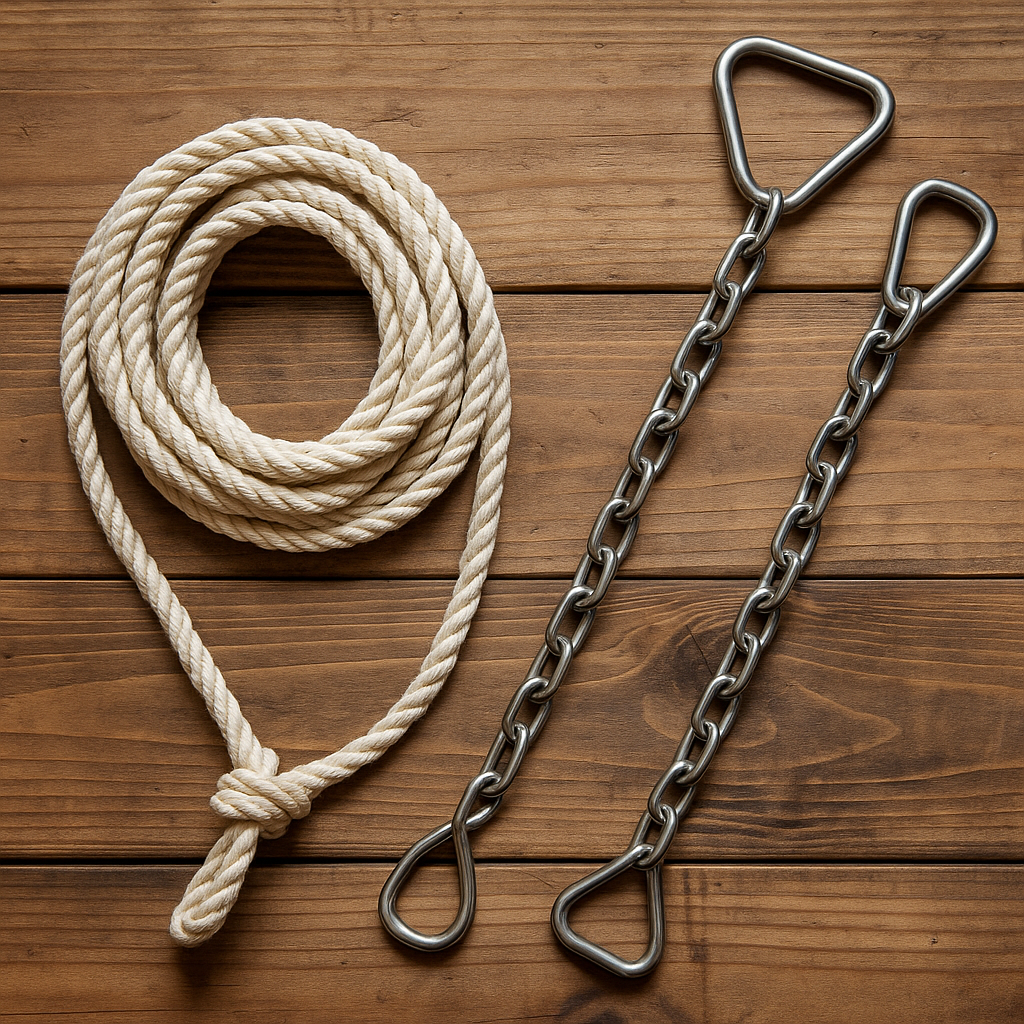
⛓️ Calving ropes or chains — used carefully to help guide delivery.
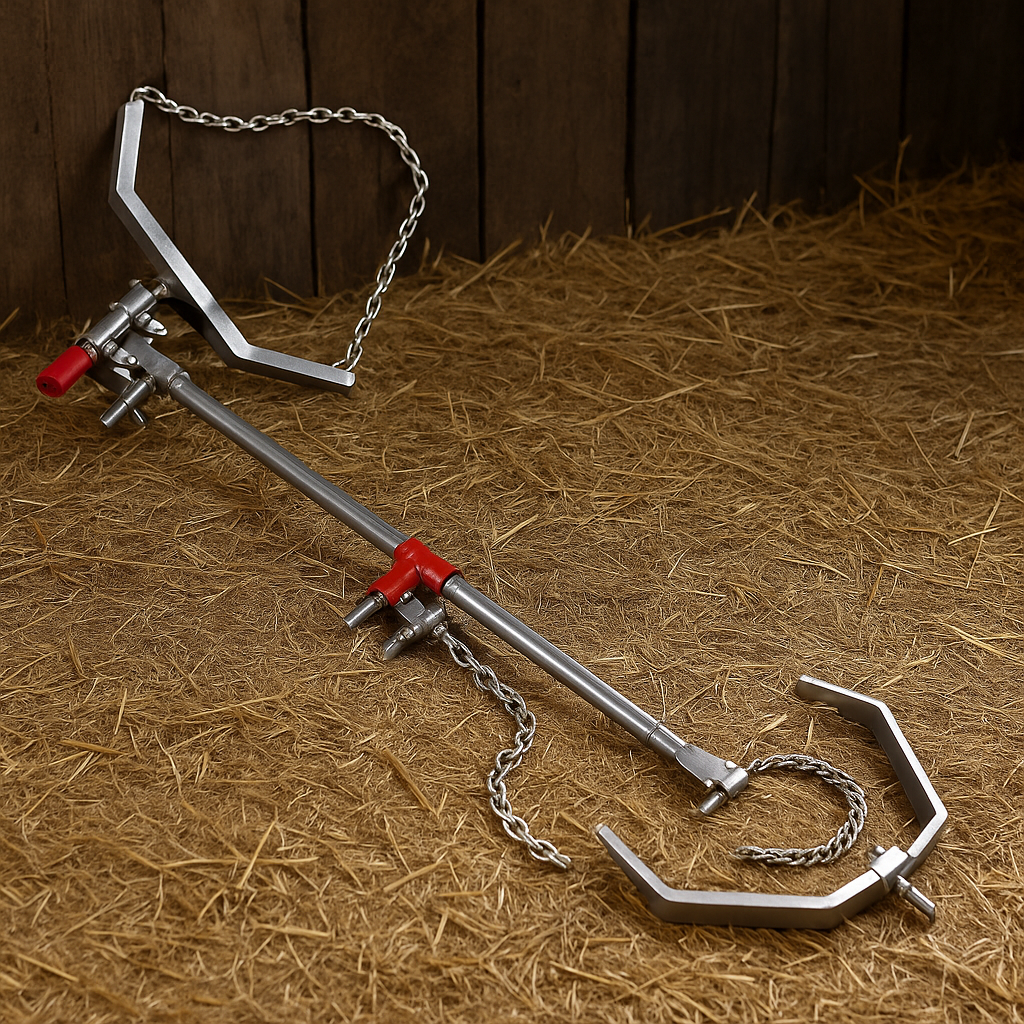
⚙️ Calving jack (puller) — mechanical aid for difficult births.
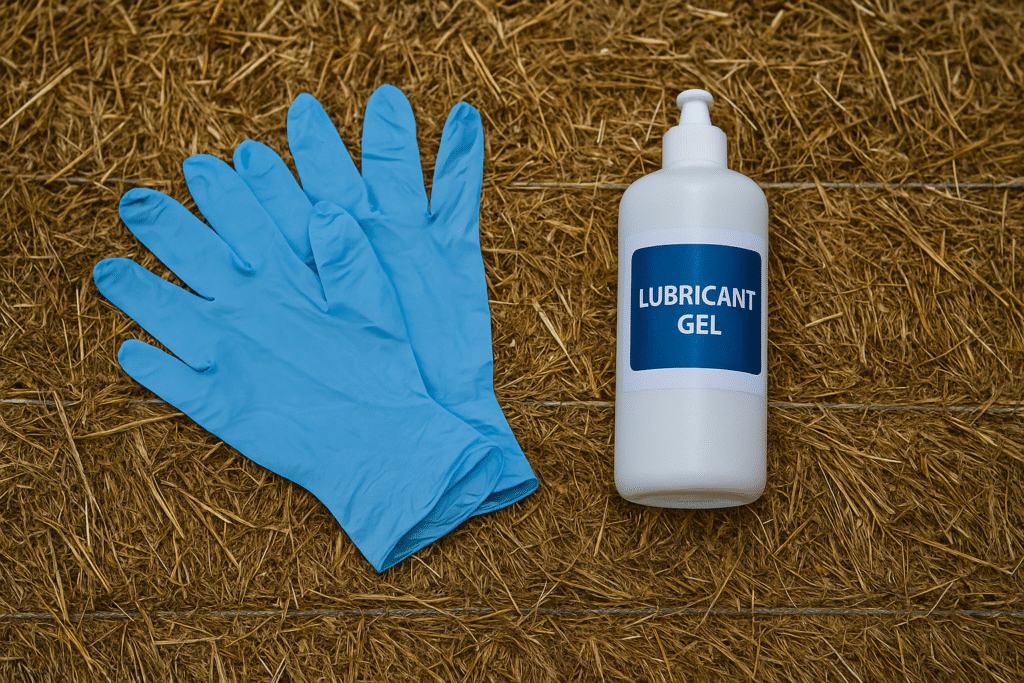
🧤 Gloves + lubricant — hygiene and cow comfort.
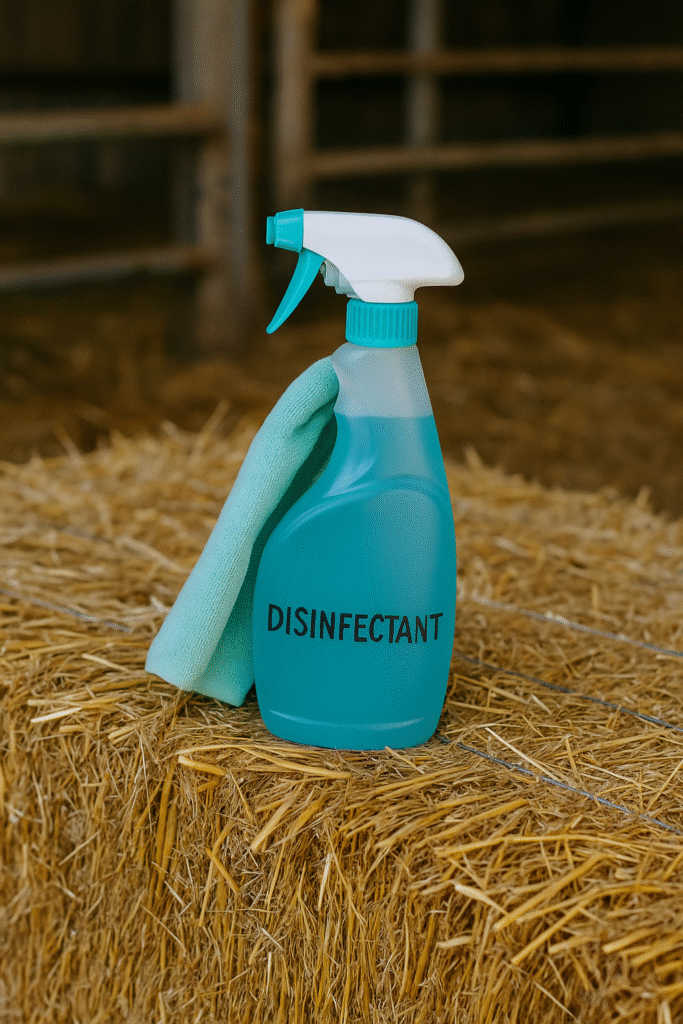
🧴 Disinfectant — for tools and cow’s vulva.
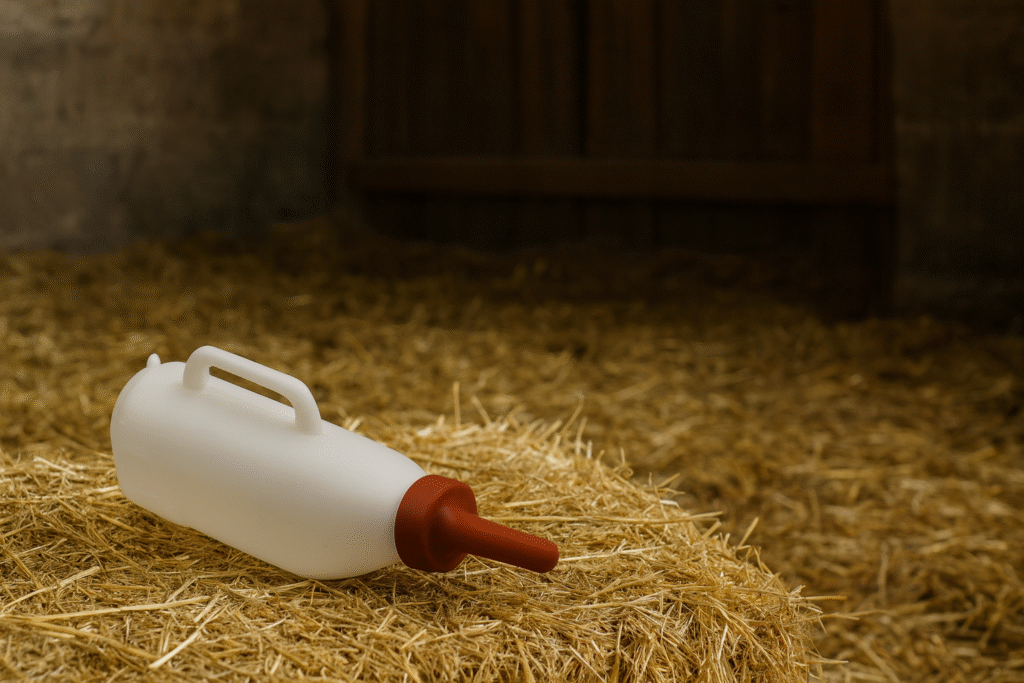
🍼 Colostrum feeder — ensures calf gets life-saving antibodies.
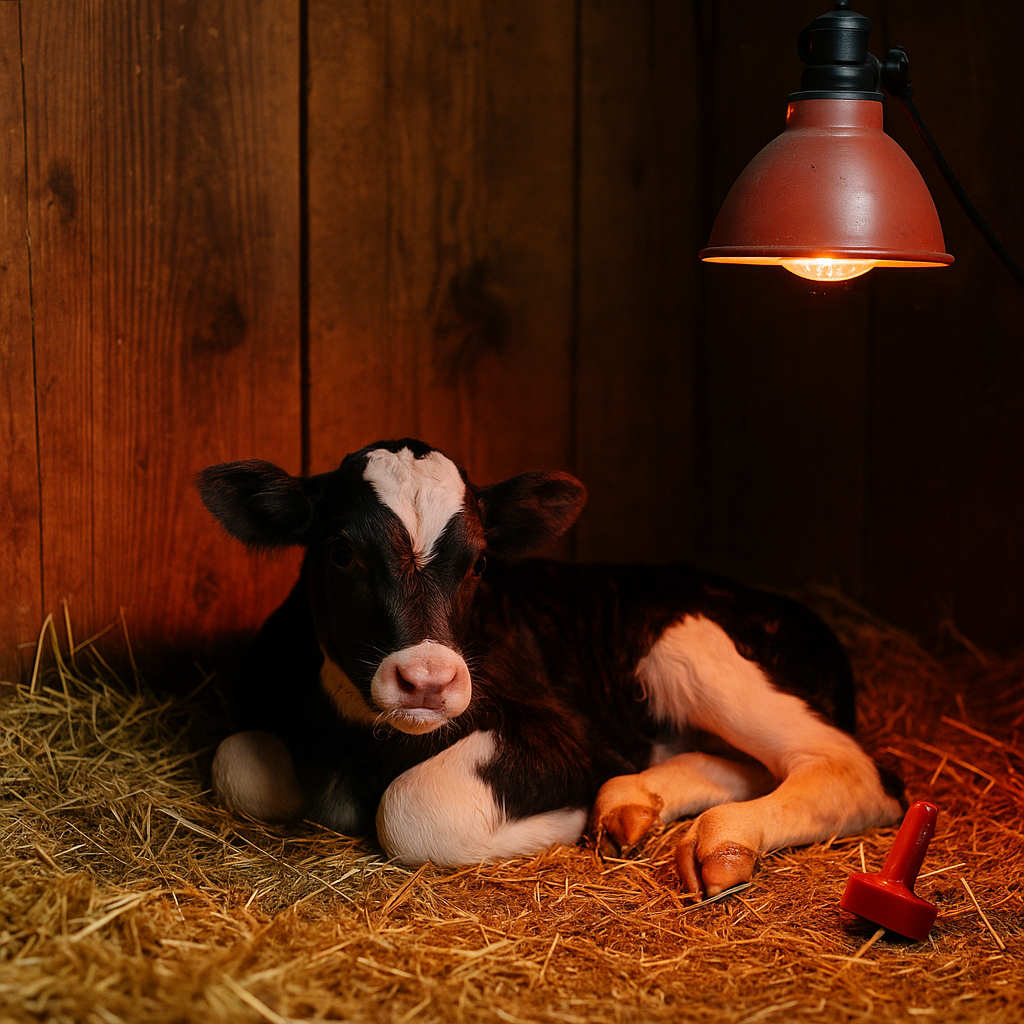
💡 Heat lamps or calf jackets — especially in cold climates.
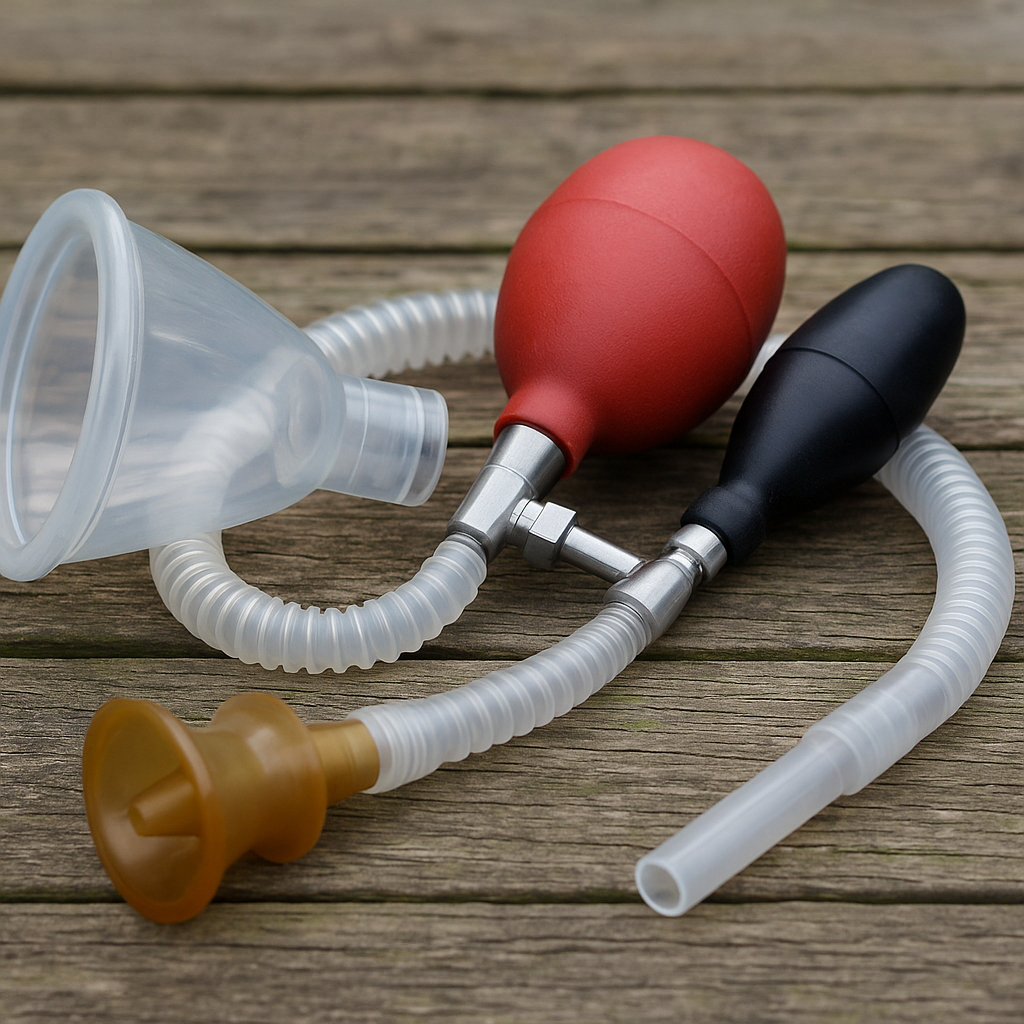
🛑 Resuscitators — clear calf airways if struggling to breathe.
🏷️ Tagging tools — ear tags, records, sometimes electronic IDs.

📖 Step-by-Step: The Calving Process
- First Stage (2–6 hours):
- 🕐 Cervix dilates.
- 🐄 Cow restless, contractions begin.
- 🕐 Cervix dilates.
- Second Stage (30 min–2 hours):
- 🌊 Water bag visible.
- 👣 Calf delivered naturally or with help.
- 🌊 Water bag visible.
- Third Stage (up to 12 hours):
- 🧩 Placenta expelled.
- ⚠️ Retained placenta needs vet care.
- 🧩 Placenta expelled.
👩⚕️ Post-Calving Care
- 🐮 For the cow: Check for milk fever, ensure hydration, monitor for infections.
- 🐄 For the calf: Dry thoroughly, dip navel in iodine, feed colostrum within 6 hours, tag and record.
🌍 Global Perspectives on Calving
Europe: Controlled and Welfare-Focused
- 🧹 Calving pens disinfected before each use.
- 📹 Cameras + wearable sensors monitor cows.
- 🍼 Calves receive colostrum quickly.
- 📑 Registration rules: Calves tagged within 3–5 days in countries like the Netherlands.
North America: Large-Scale and Tech-Driven
- 🏠 Dairy barns with group pens; beef cows calve outdoors.
- ❄️ In Canada, insulated jackets and heated barns protect calves in winter.
- 📱 Apps + barn cameras alert farmers to contractions.
- 🧥 Calf jackets = higher survival rates in harsh climates.
South America: Extensive Pasture Systems
- 🐎 Gauchos patrol herds on horseback.
- 🌳 Cows calve naturally in large open ranges.
- ⛑️ Minimal intervention — ropes, gloves, and knives in emergency kits.
- 🔥 Branding, ear notching, or tagging often done later.
Africa: Smallholder and Communal Herds
- 🏠 Homestead pens or open pastures.
- 🤲 Reliance on observation and traditional knowledge.
- 🧴 Limited but growing access to disinfectants and gloves.
- 🍼 Calves often suckle naturally; some dairies use buckets.
India: Traditional, Family-Based Systems
- 🏡 Calving in family sheds with variable hygiene.
- 🤝 Family members assist; local vets called if needed.
- 🙏 Sacred values influence care — extra attention given.
- 🍼 Hand-fed colostrum common.
China: High-Tech Mega-Dairies
- 🏢 Calving barns in large industrial dairies.
- 📹 High-tech monitoring of contractions.
- 🍼 Calves removed from cows quickly, raised in hutches.
🚑 Risks and Challenges
- ⚠️ Dystocia (difficult births, often in heifers).
- 🧩 Malpresentations (calf backwards or sideways).
- 🧪 Retained placenta leading to infection.
- 🤒 Calf scours/pneumonia in early life.
🤖 Technology in Calving
- ⌚ Wearable devices tracking temperature & movement.
- 📷 Barn cameras for 24/7 monitoring.
- 📊 Apps with calving alerts & herd records.
- 🧥 Calf jackets + portable pens improve survival.
🐮 Why Calving Matters Globally
For farmers, calving is about animal welfare, herd sustainability, and livelihood. For urban readers, it’s a reminder that every glass of milk or cut of beef begins with a safe, successful calving.
🌟 Conclusion
Calving in cows is universal, but practices differ worldwide:
- Europe: Controlled, welfare-driven.
- North America: Tech-heavy, large herds.
- South America: Natural, extensive pastures.
- 🌍 Africa: Smallholder, resource-limited.
- India: Family-based, culturally influenced.
- China: High-tech mega-systems.
Despite the differences, the goal is shared: healthy calves, healthy cows, and a sustainable future.