
🐔 Chickens in Rural and Urban Settings: Why Keeping Your Own Hens is Egg-cellent
Introduction:
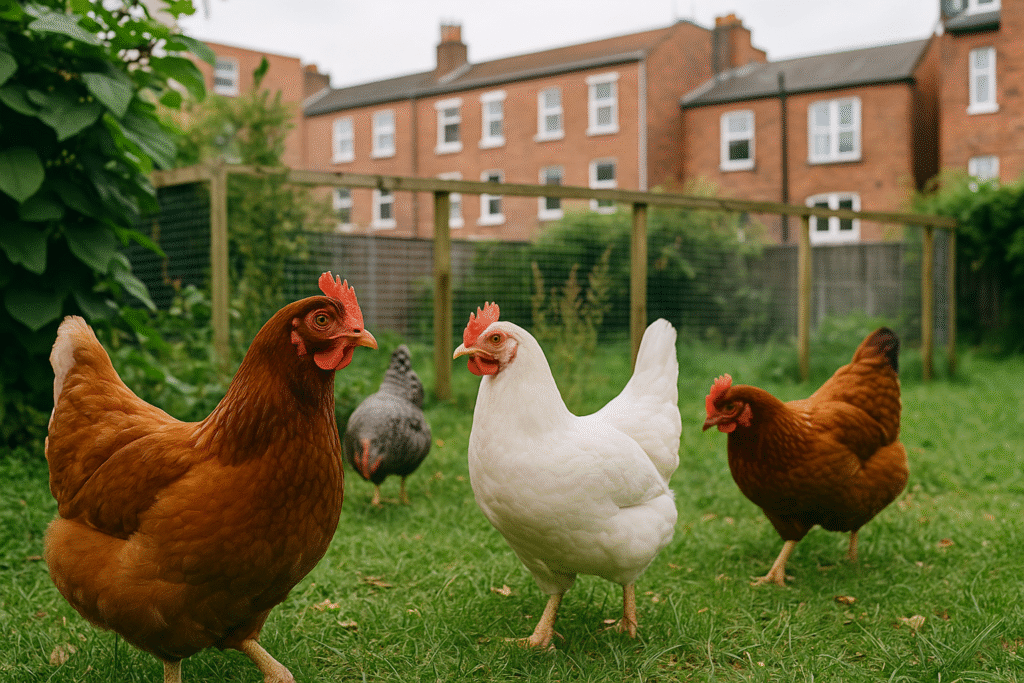
Chickens in rural and urban settings, are a common sight these days. Keeping chickens has quietly become one of the fastest-growing trends among homesteaders, suburban families, and even city dwellers. Whether you live on acres of farmland or in a small urban backyard, having your own hens brings fresh eggs, companionship, and a surprising amount of joy—especially after the COVID time, when people began seeking more self-reliance and comfort from homegrown food. 🌱🥚
Why Chickens Are Making a Comeback
The idea of keeping chickens isn’t new—it’s how people lived for centuries. Before industrial farming and supermarkets, nearly every household had a few hens scratching around for bugs and laying eggs.
The Rise of Urban Chicken-Keeping
In cities across the world, councils and neighborhoods are opening up to backyard flocks. For city dwellers, hens represent:
- ✅ Food security: Eggs laid in your backyard are fresher and more reliable than store-bought.
- 🌿 Connection to nature: In a fast-paced world, tending to chickens is grounding.
- ♻️ Eco-friendly living: Chickens reduce waste by eating scraps and producing compost-ready manure.
Rural Chickens: More Than Just Tradition
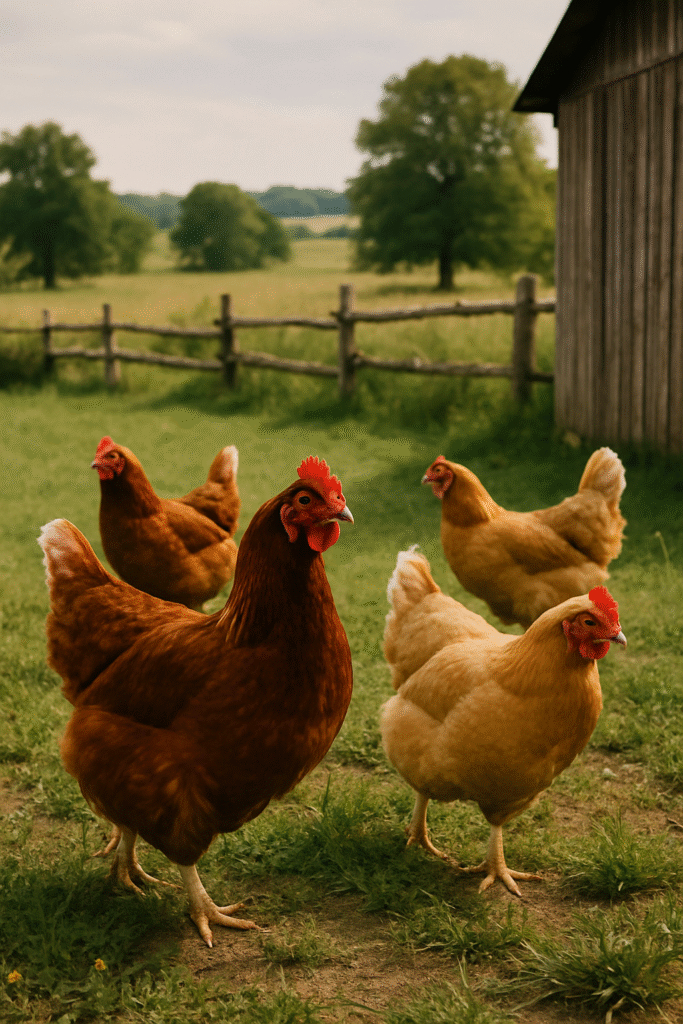
On farms and rural properties, chickens are a staple. They provide reliable food, pest control, and even a little extra income from selling eggs. For families, they’re also an excellent way to teach children responsibility and the cycle of food production. 👩👩👧👦
🥚 The Benefits of Having Your Own Eggs
One of the biggest reasons people start raising chickens is for the eggs. And it’s no wonder—fresh, home-raised eggs are far superior to store-bought in both taste and nutrition.
🍳 Freshness You Can Taste
Eggs from your backyard go from coop to kitchen in minutes. The yolks are rich and golden, and the flavor is noticeably fuller compared to commercial eggs that may be weeks old by the time they reach your fridge.
💪 Better Nutrition
Backyard hens that forage naturally often produce eggs that are:
- 🐟 Higher in omega-3 fatty acids
- 🌞 Packed with vitamins A, D, and E
- ❤️ Lower in cholesterol
🔒 Food Security and Independence
With your own flock, you’re less dependent on fluctuating grocery prices and supply chains. A small flock of 4–6 hens can easily supply a family with fresh eggs year-round.
🏠 Chickens in Urban Settings: What to Know
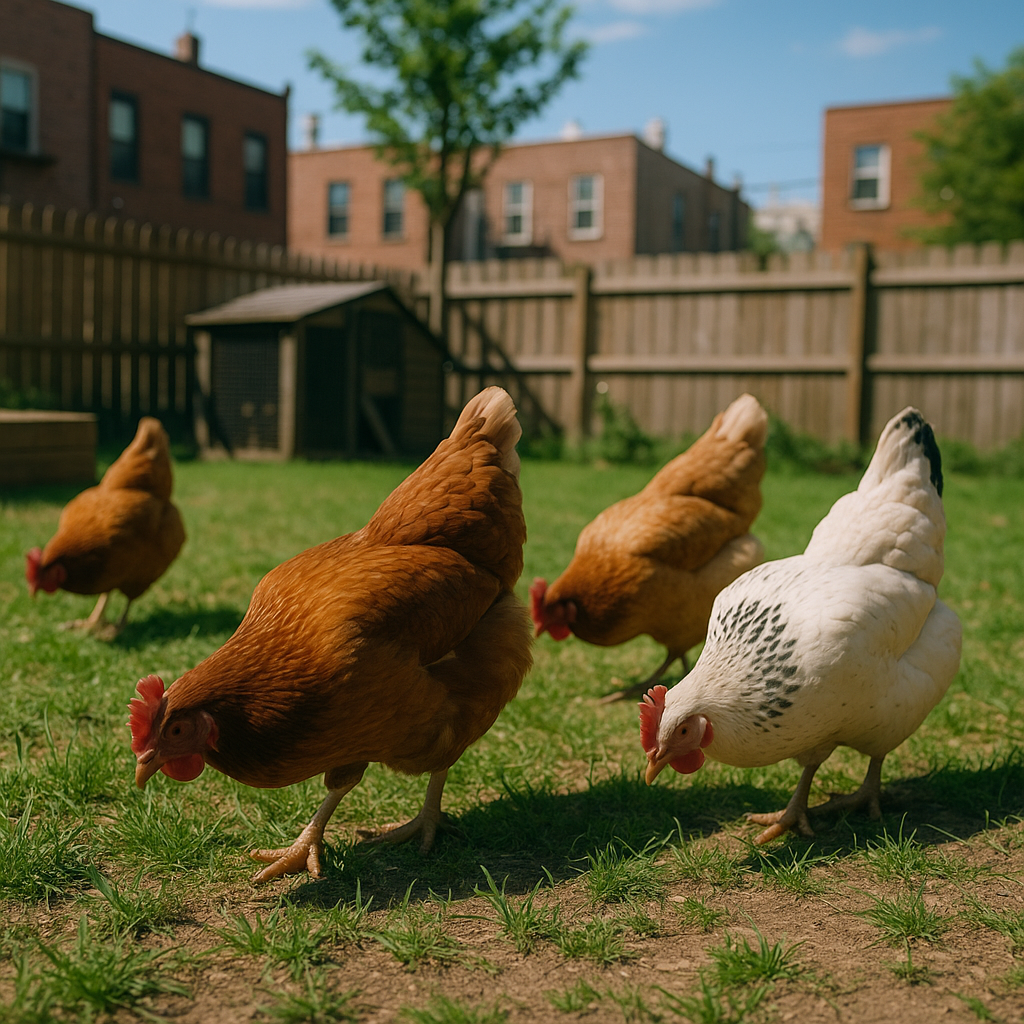
Raising chickens in the city comes with a unique set of challenges and opportunities.
📜 Council Rules and Regulations
Before you buy your first hen, check local laws. Many cities allow backyard flocks but often limit:
- The number of hens (usually 4–6)
- Roosters (generally banned due to noise)
- Coop size and placement
📏 Space Requirements
You don’t need acres of land to raise chickens. A modest backyard with:
- 2–3 sq ft per hen inside the coop
- 8–10 sq ft per hen in a run
…is usually enough.
🤝 Neighbors and Noise
Hens are far quieter than dogs, but they do cluck—especially after laying an egg. Keeping coops clean and avoiding roosters will help keep neighbors happy.
🌾 Chickens in Rural Settings: The Bigger Picture
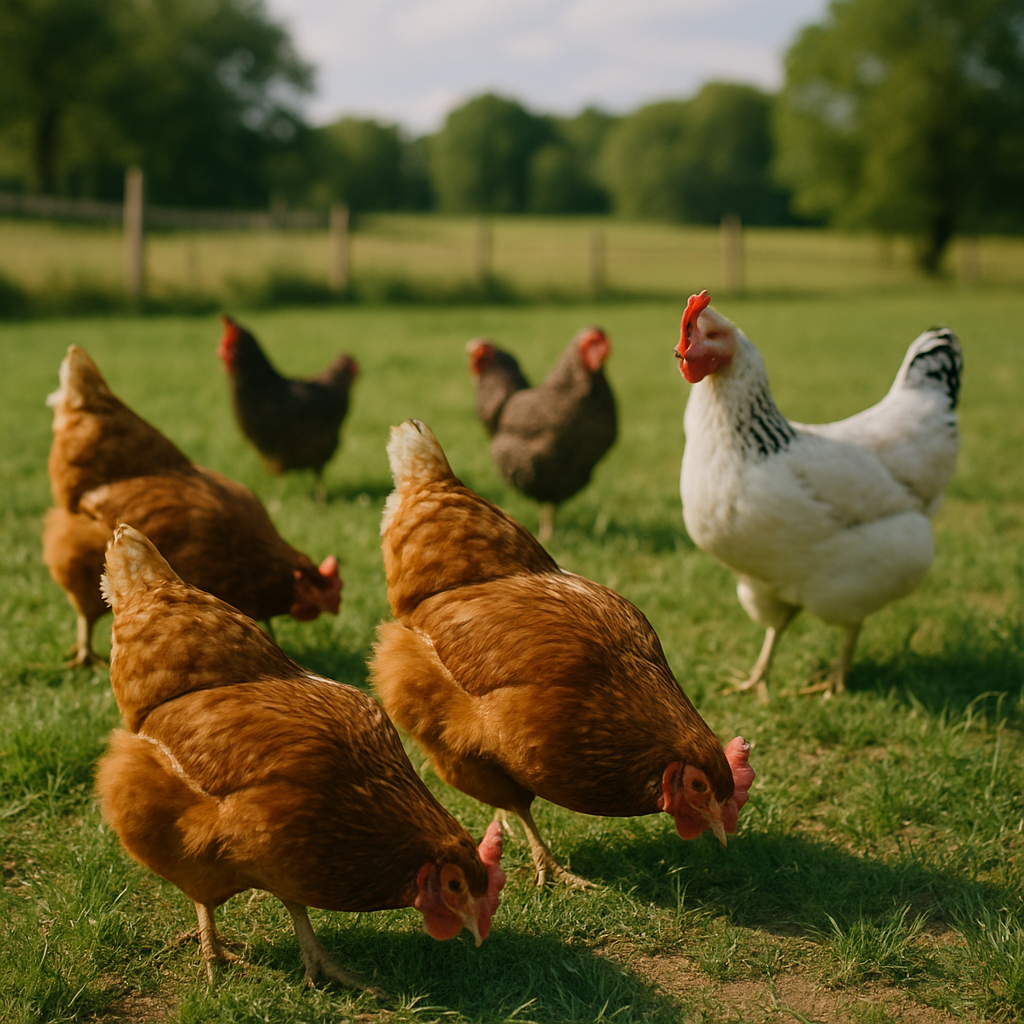
Rural chicken keeping offers more freedom and fewer restrictions.
- 🌳 Fewer Space Limits – Free-ranging is easy.
- 🐛 Pest Control – Chickens gobble up ticks, flies, and even mice.
- 🥕 Extra Income – Sell eggs at markets or to neighbors.
- 🐐 Integration with Other Animals – Chickens happily coexist with goats, sheep, and cattle.
📊 Key Differences Between Urban and Rural Chicken Keeping
| Feature | 🏙️ Urban Setting | 🚜 Rural Setting |
| Flock Size | 2–6 hens | 10–50+ hens |
| Space | Small backyards | Wide pastures |
| Regulations | Stricter | Fewer rules |
| Neighbors | Close by | Few concerns |
| Predators | Cats, dogs | Foxes, coyotes |
⚖️ Common Concerns About Raising Chickens
- 🚫 Smell – Controlled with good ventilation & clean bedding.
- 🦊 Predators – Secure coops with mesh and close at night.
- ⏰ Time – Just minutes each day for feeding & collecting eggs.
- 💰 Cost – Initial setup, but eggs + sustainability balance it out.
🐓 Choosing the Right Chicken Breeds
Urban-Friendly Breeds
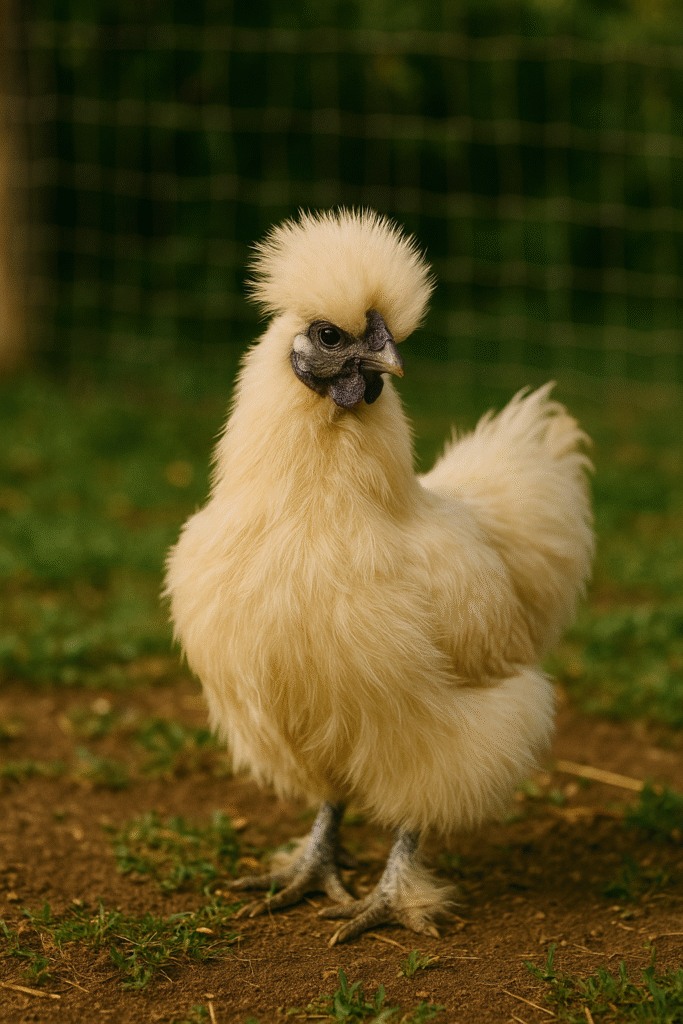
🧸 Silkies – quiet, fluffy
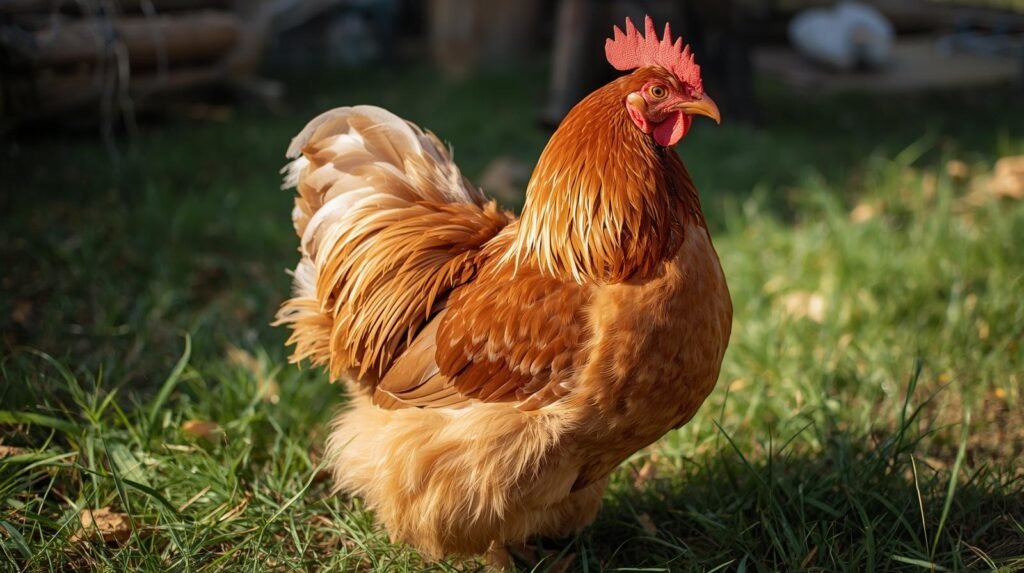
🐣 Orpingtons – gentle, great for kids
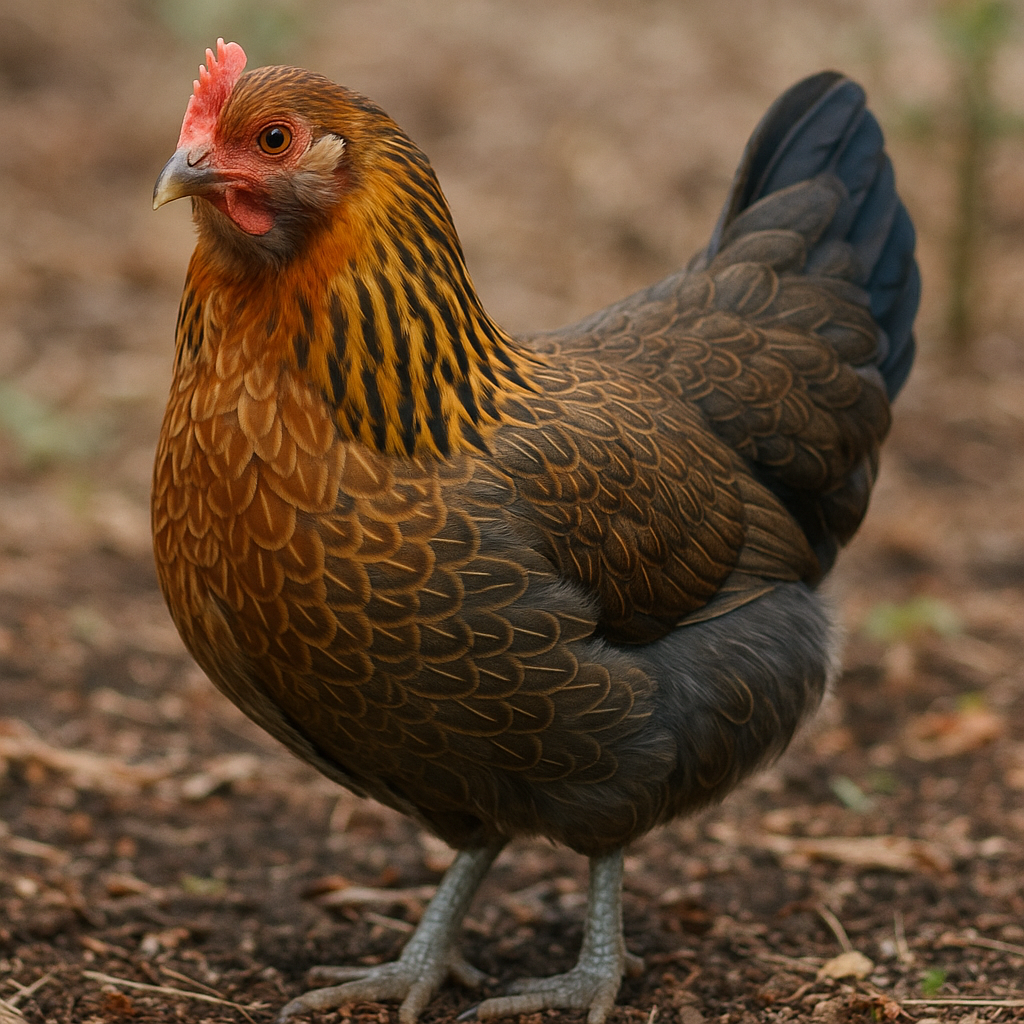
🌈 Easter Eggers – lay colorful eggs
Rural-Friendly Breeds
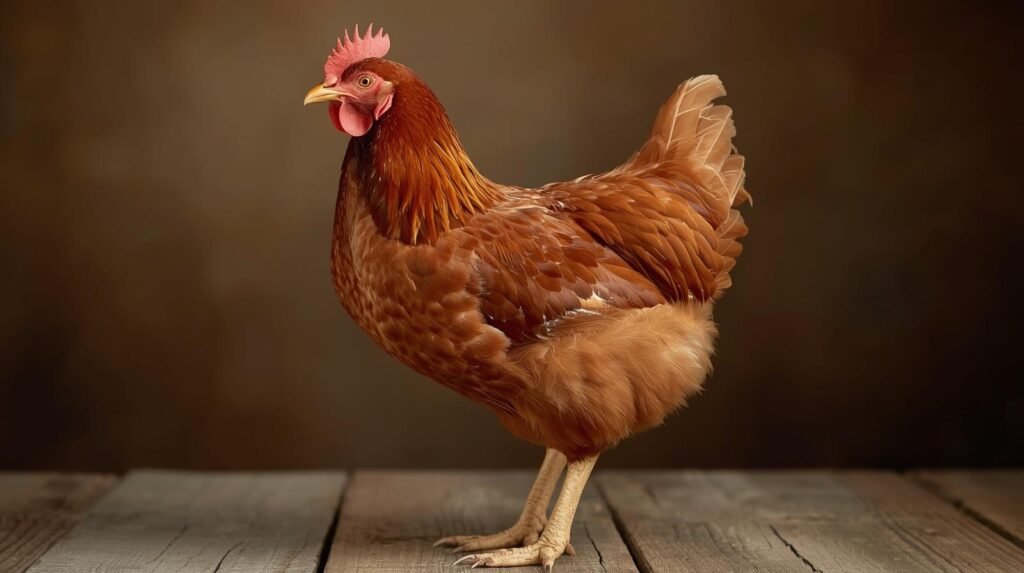
🔴 Rhode Island Reds – tough, prolific
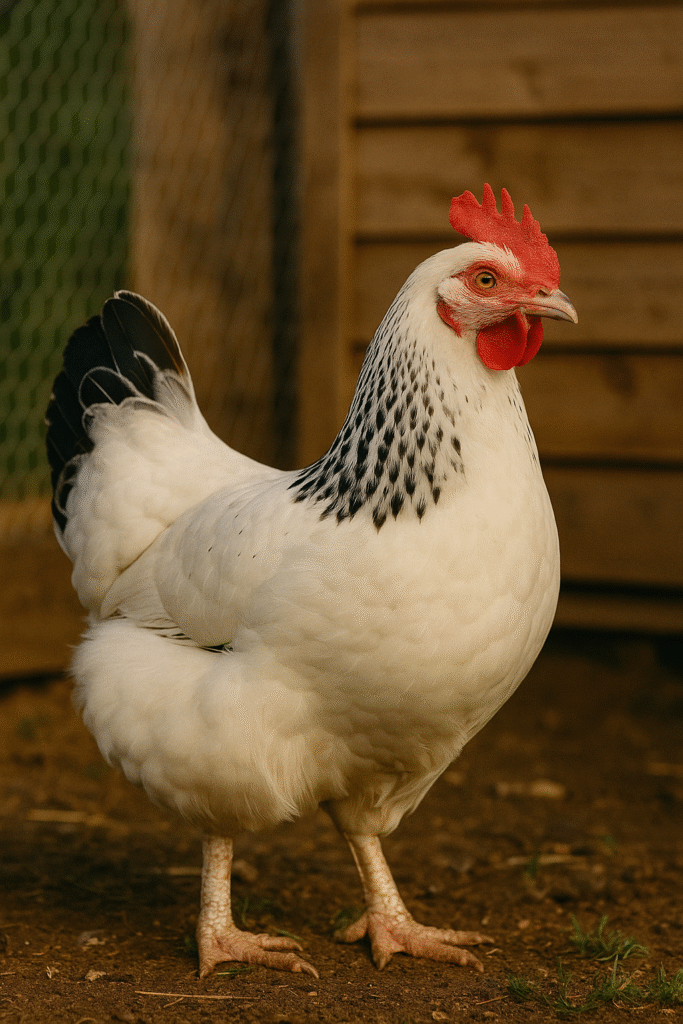
⚡ Leghorns – high egg layers
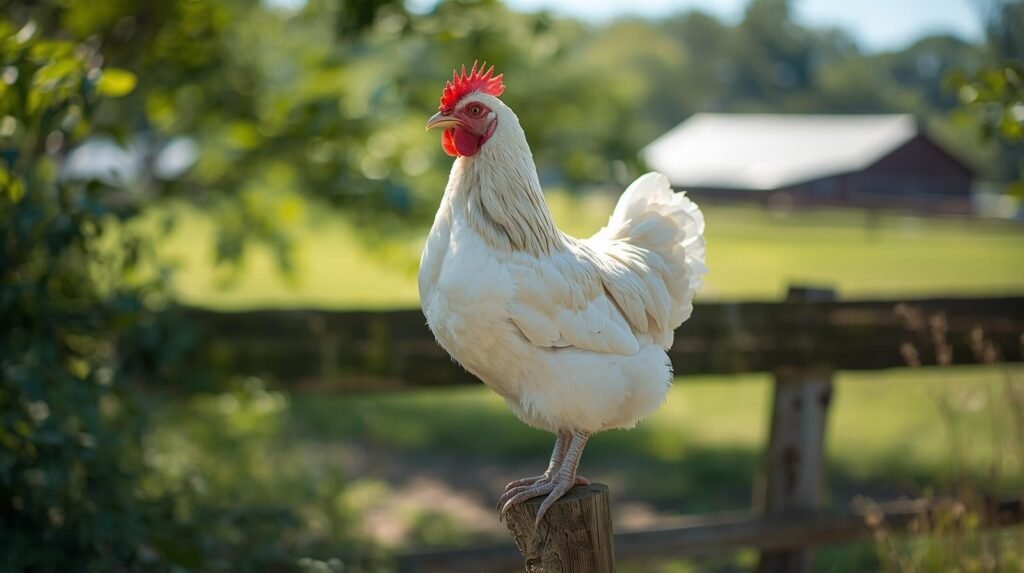
🪶 Sussex – excellent free-rangers
💡 The Joy of Chickens Beyond Eggs
- 🐥 Pets with Personality – curious, friendly, unique
- 🧘 Stress Relief – watching chickens is calming
- 👩👦 Family Learning – teaches responsibility and biology
- ♻️ Sustainability – scraps become food, manure becomes fertilizer
🏡 Setting Up Your First Coop
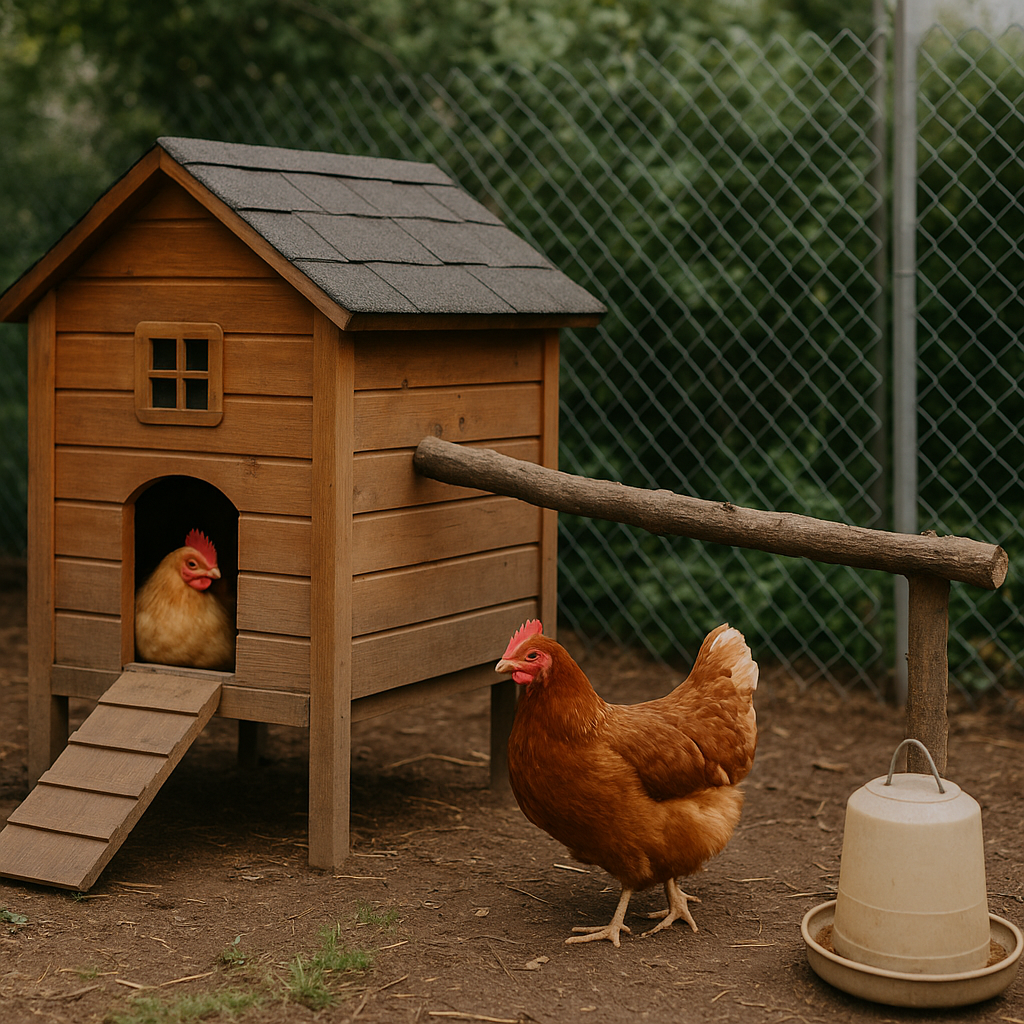
Essentials include:
- 🛖 Coop & Nesting Boxes
- 🪵 Perches
- 🌬️ Ventilation
- 🛡️ Run or Fencing
- 🥤 Feeders & Waterers
🍽️ Feeding Your Flock
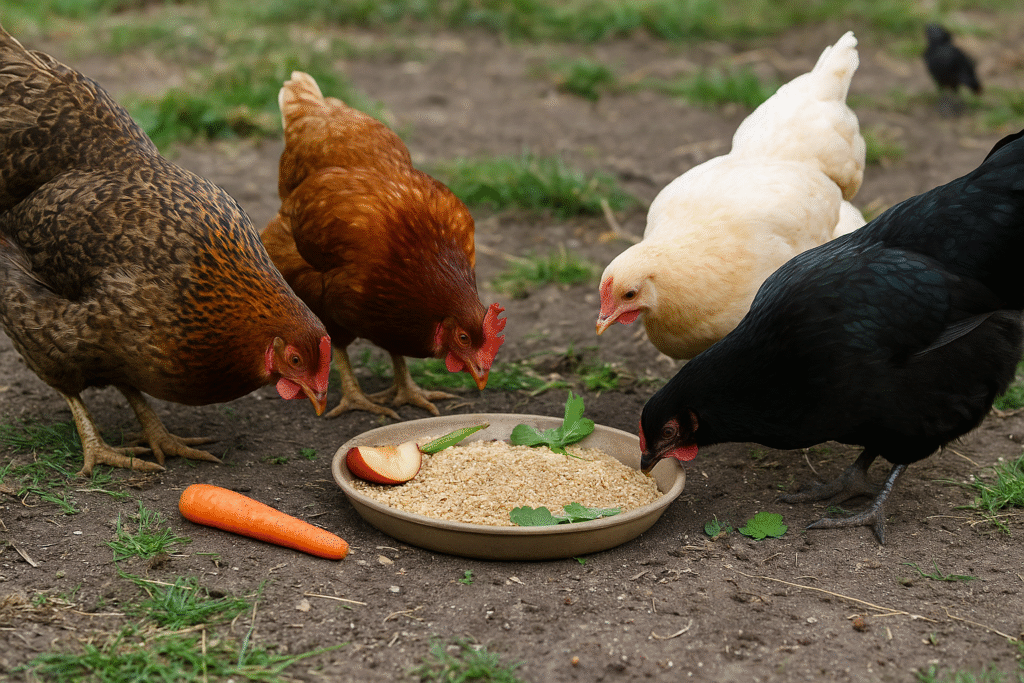
- 🥦 Commercial Feed – balanced nutrition
- 🥕 Kitchen Scraps – veggies, grains, fruit
- 🐜 Foraging – bugs & grass
- 🐚 Supplements – oyster shell for eggshell strength
🌱 Sustainability and Environmental Impact
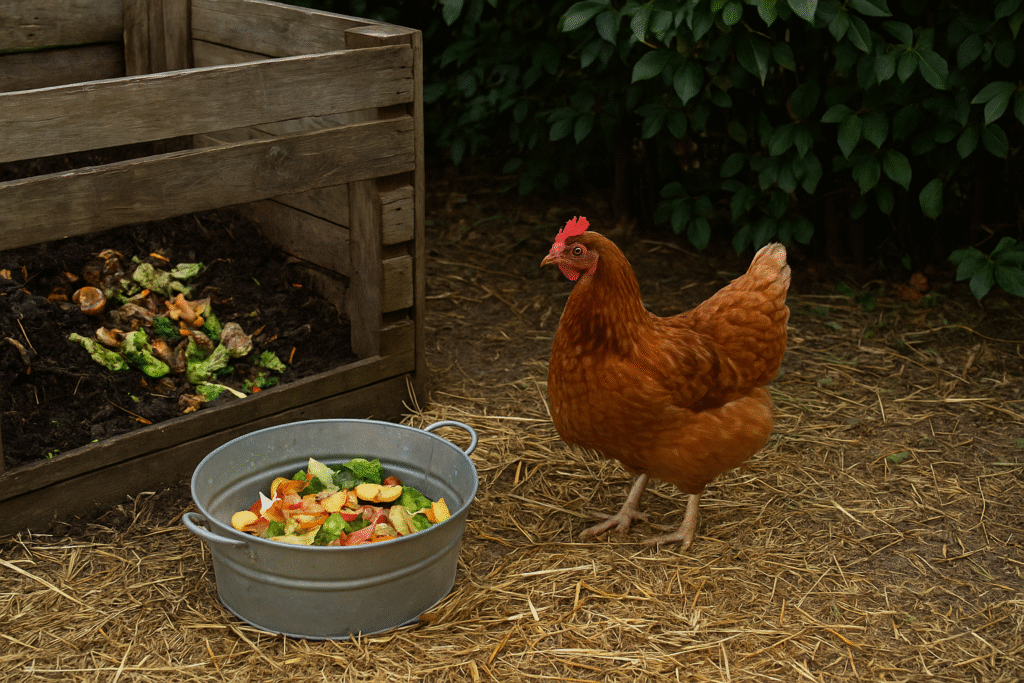
- 🌿 Compost Boosters – manure = garden gold
- 🍎 Food Waste Reduction – scraps reused
- 🚶 Lower Carbon Footprint – fewer grocery trips
🔮 The Future of Chicken Keeping
As food prices rise and sustainability grows in importance, chicken-keeping—urban and rural—is here to stay. Councils are easing restrictions, and families everywhere are discovering the benefits of fresh, homegrown eggs.
🎯 Conclusion: Why Chickens Belong Everywhere
Whether you’re rural or urban, chickens bring fresh eggs, companionship, sustainability, and joy. Keeping hens is more than a hobby—it’s a lifestyle shift toward independence and mindful living.