
From Heroes to Villains: Why Farmers Still Deserve Our Respect After COVID-19
Introduction: The Forgotten Heroes of the Pandemic
When COVID-19 hit, the world froze. Flights stopped, streets emptied, and borders closed. But while tourism, hospitality, and entertainment came to a standstill, farmers kept working.
Across every nation, men and women in muddy boots got up before dawn to milk cows, plant crops, harvest vegetables, and load trucks bound for towns and cities. While fear spread faster than the virus itself, farming became the quiet backbone that kept humanity fed.
In 2020, people suddenly saw what “essential” really meant. Milk, meat, bread, fruit, vegetables, and grains—produced by farmers—were the difference between stability and chaos.
And yet, only a few years later, the same farmers who were praised as heroes are now under fire. They’re blamed for climate change, water use, and emissions—while industries that vanished during lockdowns, like tourism and luxury travel, have returned to applause.
So why have the tables turned? Why are farming families once again the easy targets—and why is that unfair to them, and dangerous for everyone else?
Section 1: What Happened During COVID-19
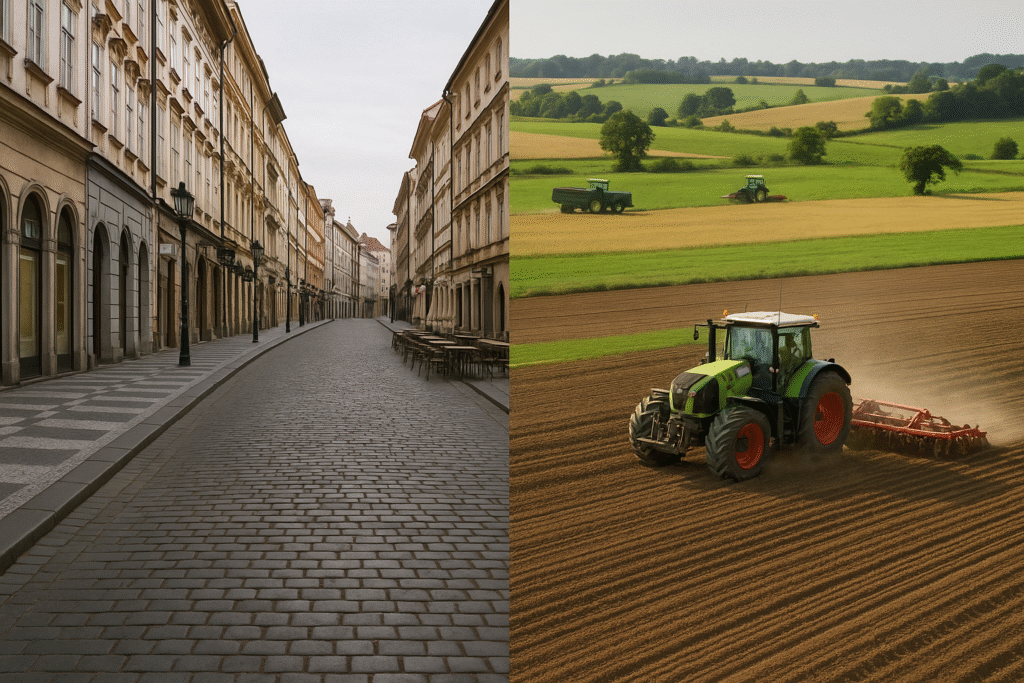
When the pandemic struck, global logistics collapsed. Borders closed, restaurants shut, and import routes slowed. But the land didn’t stop producing.
Farming—whether dairy, beef, grain, fruit, or horticulture—was quickly classified as an essential service in nearly every country.
- Cows still needed milking.
- Wheat still needed sowing.
- Vegetables still needed picking.
Farmers couldn’t “work from home.” They couldn’t postpone a crop harvest or skip feeding animals. While the world stayed indoors, farmers carried the weight of food security on their shoulders.
Without them, supermarket shelves would have stayed empty and panic would have turned to hunger.
Section 2: How Farming Sustained Economies When Tourism Collapsed
Tourism was one of the first sectors to collapse. Flights were grounded, hotels closed, and cities lost their income overnight. Many countries—especially those dependent on visitors—watched their GDP crumble.
But farming didn’t stop. It became the lifeline.
- New Zealand: Tourism disappeared, but dairy, beef, and horticultural exports like kiwifruit and apples kept the economy moving.
- Ireland: Beef and dairy farms maintained export earnings when other industries halted.
- The Netherlands: Greenhouse horticulture continued to supply Europe’s vegetables.
- The U.S. and U.K.: Farmers donated milk, beef, and fresh produce to food banks when demand shifted from restaurants to homes.
Even arable farmers, growing wheat, maize, soy, and barley, held firm. Their harvests became the raw materials for bread, feed, and essentials.
In short: when tourism vanished, the land paid the bills.
Section 3: The Public’s Short Memory
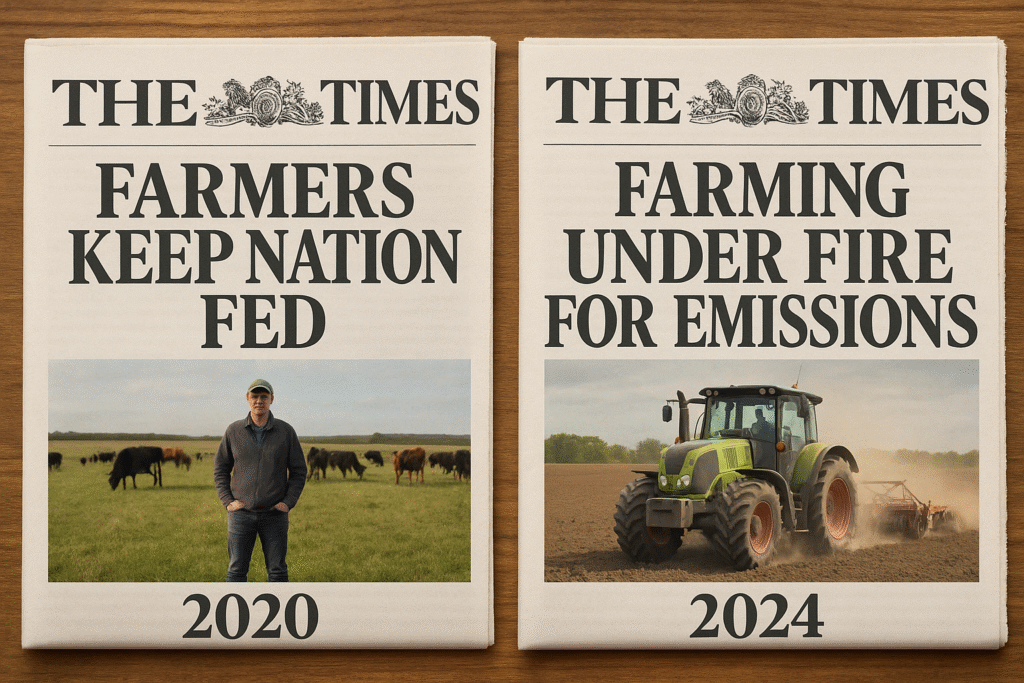
Only a few years later, that appreciation faded.
Once borders reopened and cafes filled again, public gratitude turned to criticism.
Farmers became the face of environmental blame. The same tractors that delivered food during lockdown were now seen as symbols of pollution.
The question is: why?
Section 4: Why Farming Became an Easy Target
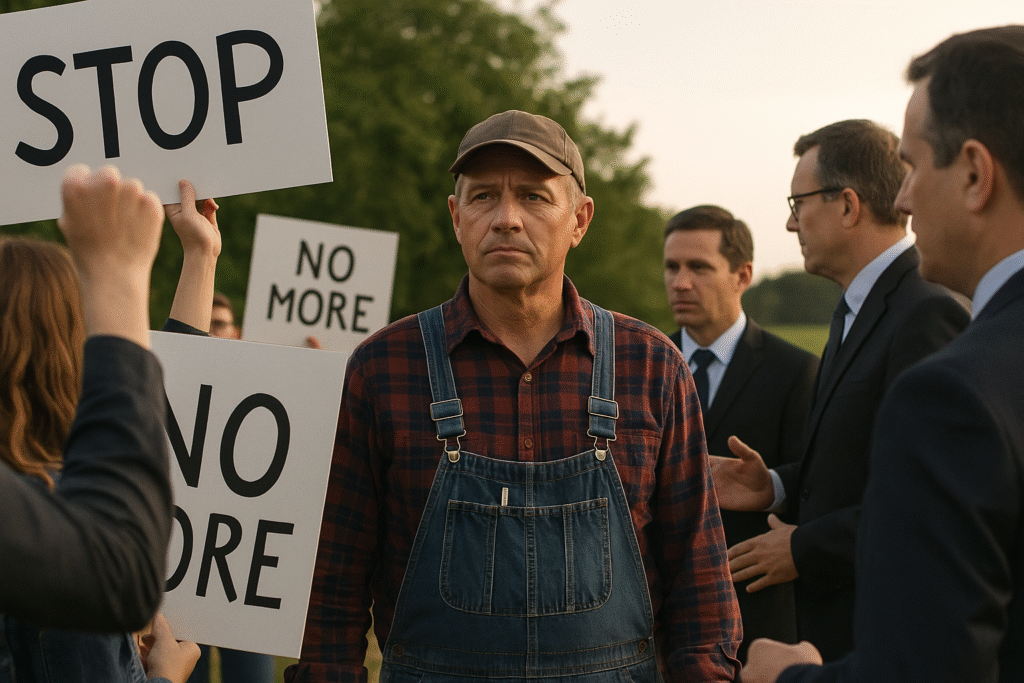
There are several reasons farming—and particularly livestock and cropping—became easy to criticize:
- It’s visible.
Everyone can see farms, tractors, and cows. Emissions are measurable. - It’s local.
Unlike tourism or manufacturing, farming happens in plain sight. - It’s complex.
Climate issues are real, but solutions require nuance. It’s simpler to blame a cow than to rethink global consumption or trade. - It’s small-scale and fragmented.
Thousands of family farms can’t lobby like big industries or corporations. - It’s emotional.
Many people live far from rural life. Without firsthand experience, they rely on headlines, not reality.
Meanwhile, industries that create large emissions but operate globally—aviation, cruise lines, and luxury travel—escape similar scrutiny because their impact is out of sight.
Section 5: The Backbone of Food Security
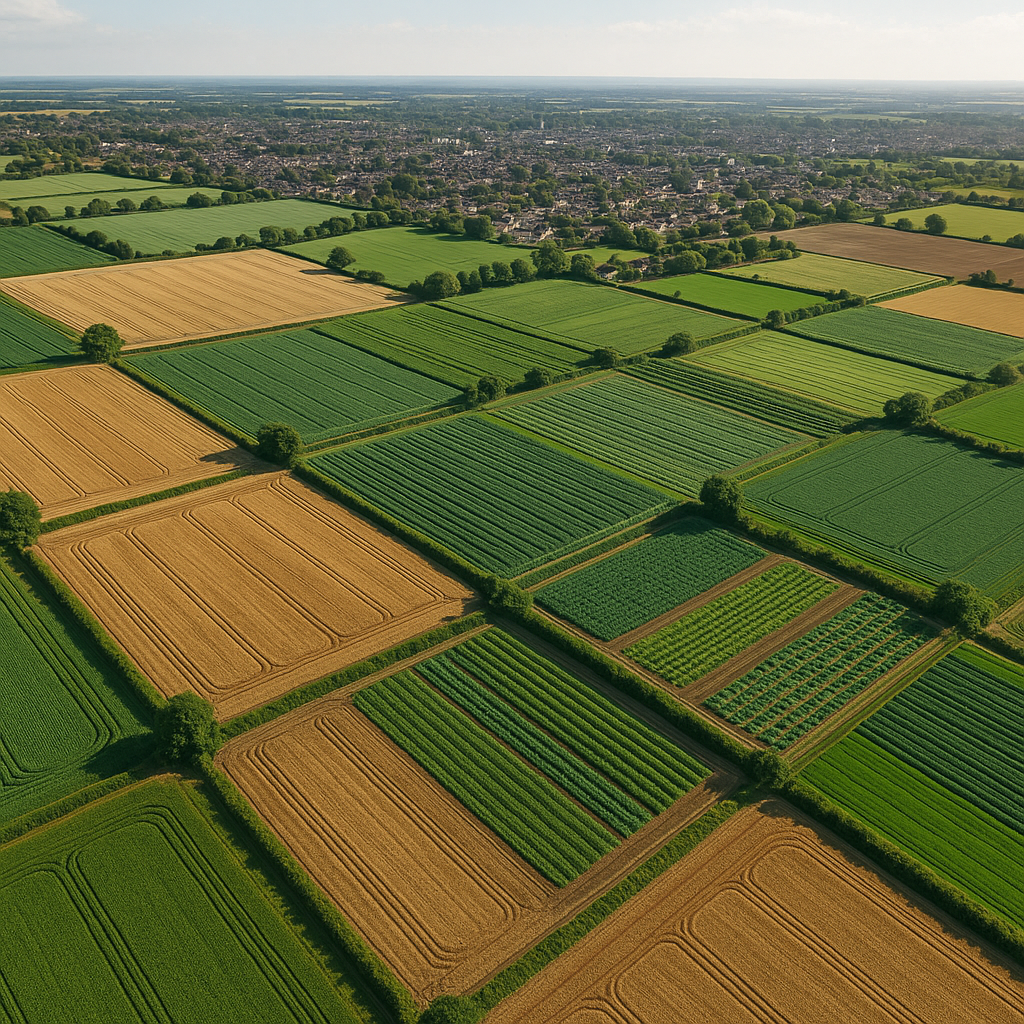
During COVID-19, nations rediscovered a forgotten truth: a country that can feed itself is a strong country.
Farming is more than food production—it’s national resilience.
- Arable farmers ensure staple crops like wheat, rice, corn, and barley are available for human food and animal feed.
- Horticultural growers supply fruits, vegetables, and plants that sustain nutrition and health.
- Livestock and dairy farmers provide protein, dairy products, and vital exports.
Each branch of agriculture supports others. Without crops, livestock can’t be fed. Without animals, fertilizers and organic matter for soil health disappear. Without horticulture, balanced diets collapse.
This interconnected system kept civilization functioning when global trade faltered.
Section 6: The Role of Media and Politics
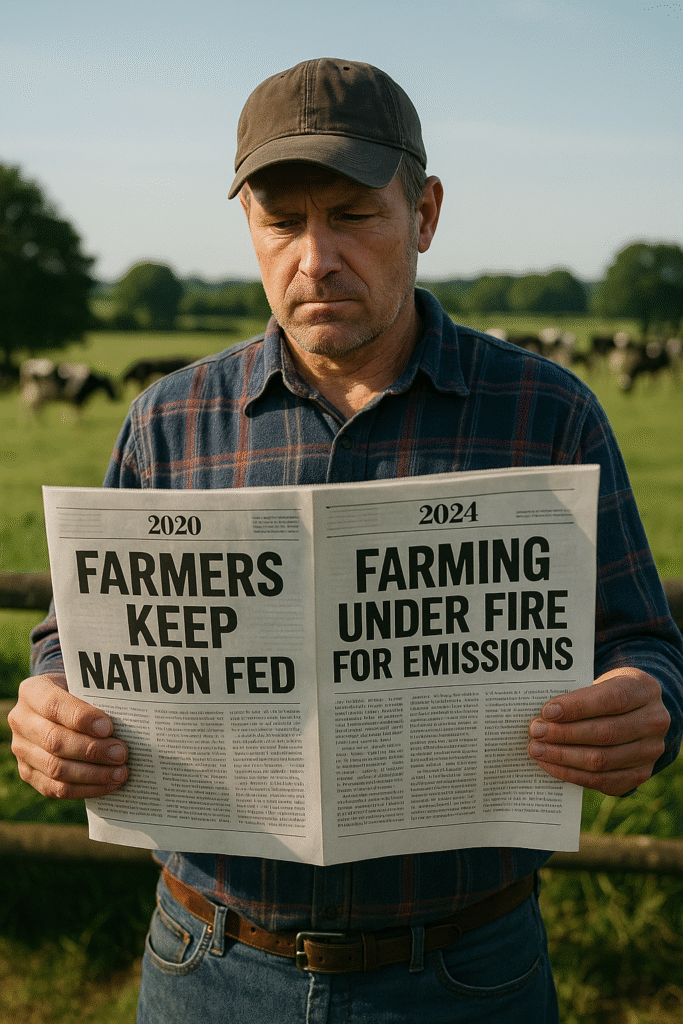
During lockdowns, the media called farmers heroes. Politicians praised “food producers on the frontlines.”
But once the crisis ended, the narrative shifted.
Environmental protests grew louder, and governments needed quick ways to appear “green.”
Regulating farmers was easier than confronting more powerful global industries.
Yet few headlines compared emissions across sectors:
- Agriculture is responsible for around 10–14% of global greenhouse gases.
- Transport (including aviation and shipping) produces 24% or more.
But farming’s share is direct, local, and visible—so it gets the spotlight.
This imbalance fuels frustration in rural communities who feel used during the crisis and blamed afterward.
Section 7: The Myth of “Clean” Alternatives
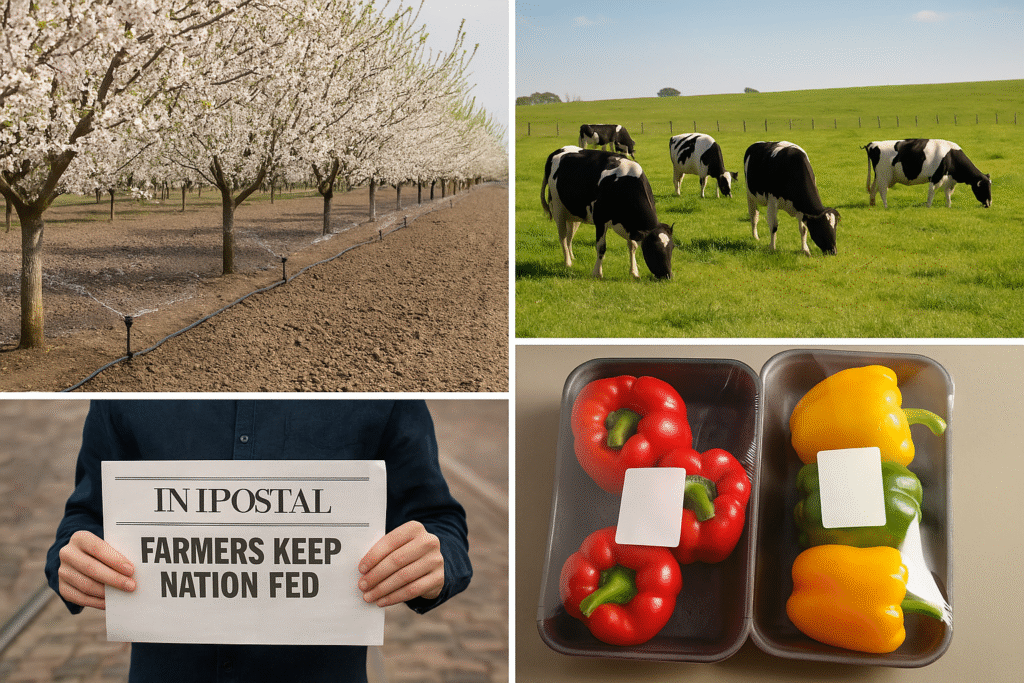
As the world reopened, a flood of “eco-friendly” alternatives appeared—plant milks, imported superfoods, and synthetic meat substitutes.
Yet many rely on intensive irrigation, deforestation, or long-distance transport. Almond milk from drought-prone California or avocados shipped from South America carry their own hidden costs.
Meanwhile, local, regenerative farming—whether pasture-fed beef, rotational cropping, or integrated horticulture—often stores carbon in soil, supports pollinators, and preserves landscapes.
Sustainability isn’t about eliminating farming—it’s about doing it smarter, and keeping it local.
Section 8: The Overlooked Diversity of Farming
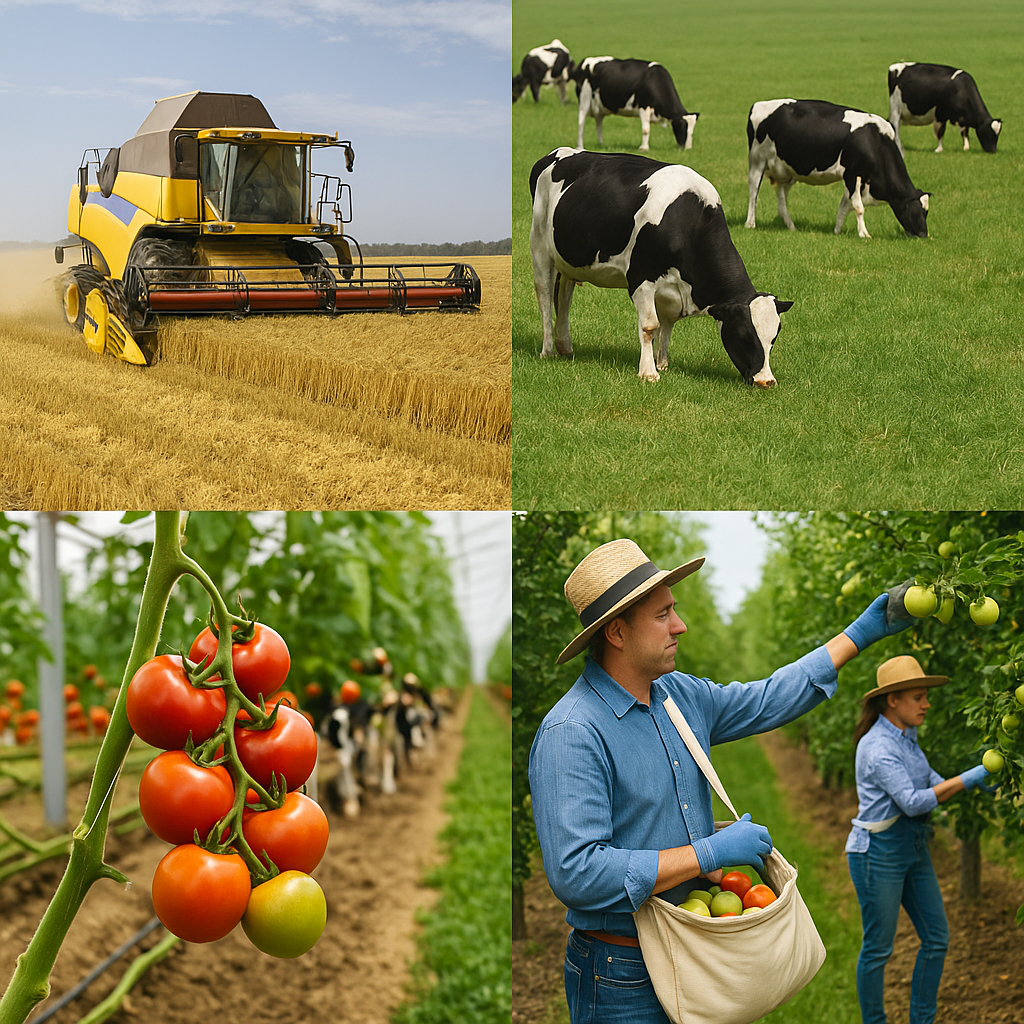
Farming isn’t one industry—it’s thousands of micro-industries woven together:
- Arable: grains, pulses, oilseeds.
- Horticulture: fruit, vegetables, flowers, nursery plants.
- Livestock: dairy, beef, poultry, sheep.
- Mixed farms: rotations combining all of the above.
Each type contributes differently to the economy and environment. Horticulture, for example, creates intensive employment and short supply chains for local food. Arable systems underpin feed and flour industries.
Recognizing this diversity reminds us that farming isn’t “one problem.” It’s a mosaic of solutions, many already improving environmental performance faster than urban industries.
Section 9: How Tourism and Farming Can Coexist
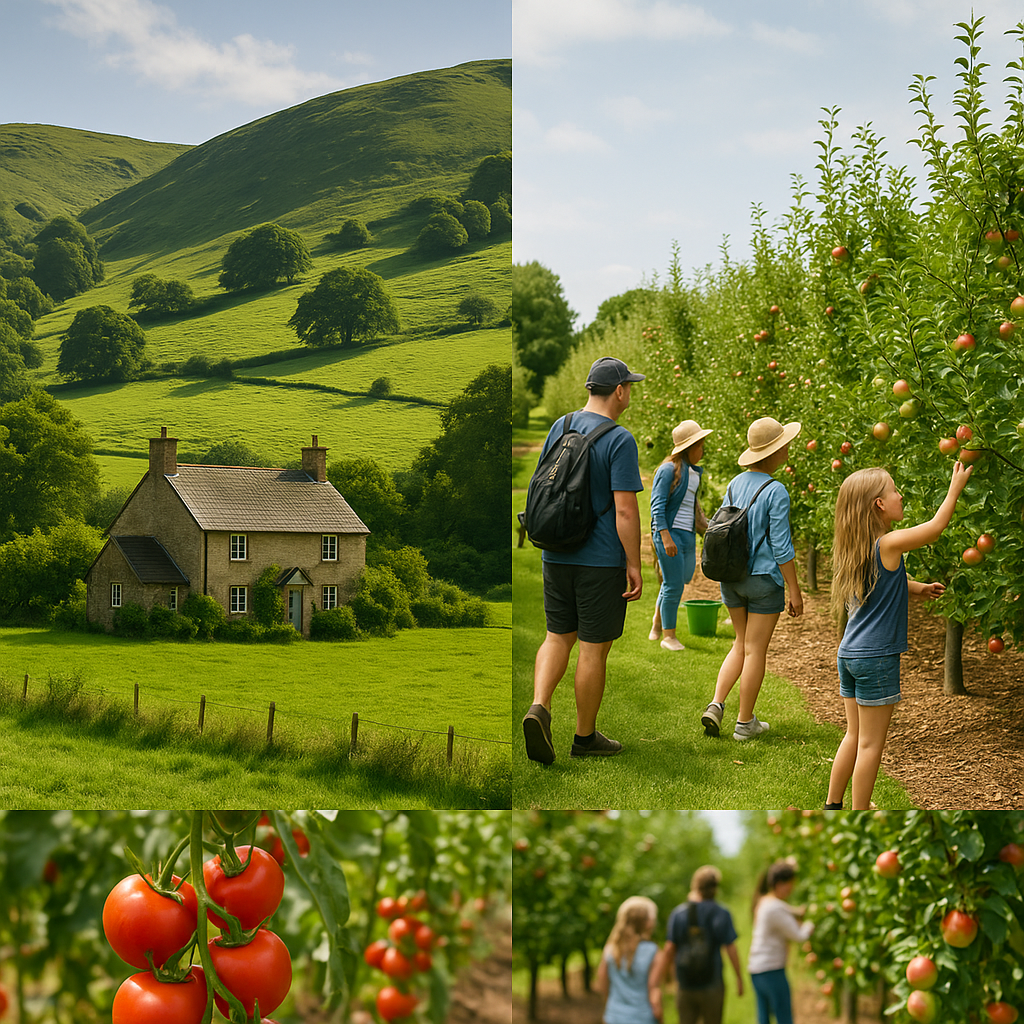
Tourism has roared back—and that’s good. But it shouldn’t come at farming’s expense.
In fact, farming and tourism can support each other:
- Farm stays, winery tours, and pick-your-own fruit experiences connect people to their food.
- Rural tourism keeps small communities alive and diversified.
- Local food trails and farmers’ markets attract visitors seeking authenticity.
Instead of competition, synergy is the key. The land can feed people and inspire them at the same time.
Section 10: The Emotional Toll on Farmers
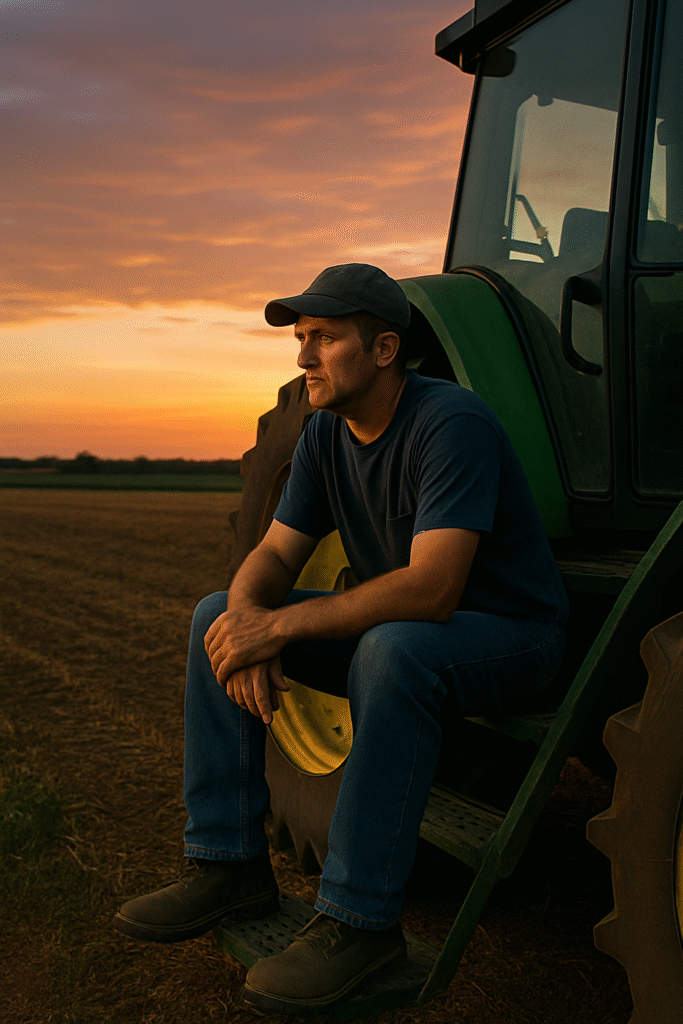
Behind the statistics are people.
Farmers faced stress before COVID-19—but afterward, many feel forgotten or unfairly blamed.
Surveys show rising anxiety, financial strain, and burnout among agricultural workers.
They carried nations through crisis, then watched policies and public opinion turn cold.
Recognizing this emotional cost is part of respecting food systems. You can’t have sustainability without human sustainability too.
Section 11: Why the Narrative Must Change
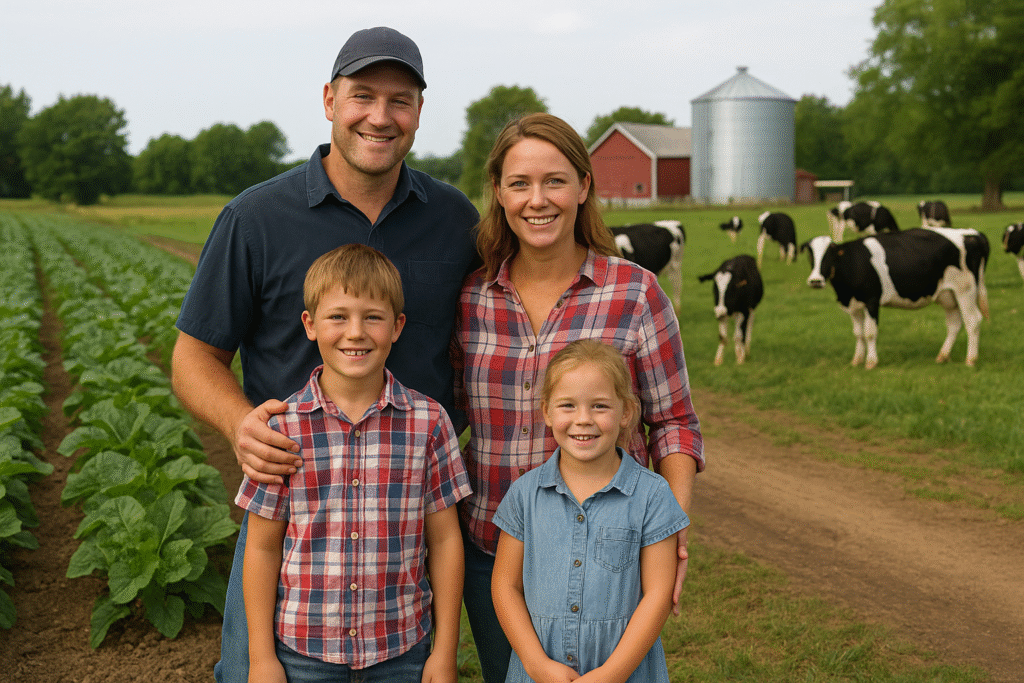
The shift from hero to villain oversimplifies reality.
Yes, farming has environmental impacts. So do transport, construction, and energy. But farmers are already adapting:
- Using methane-reducing feed.
- Restoring wetlands and planting shelterbelts.
- Practicing regenerative tillage and cover cropping.
- Reducing waste through technology.
They’re not resisting change—they’re leading it. But progress needs support, not blame.
Section 12: Re-framing Farming for the Future
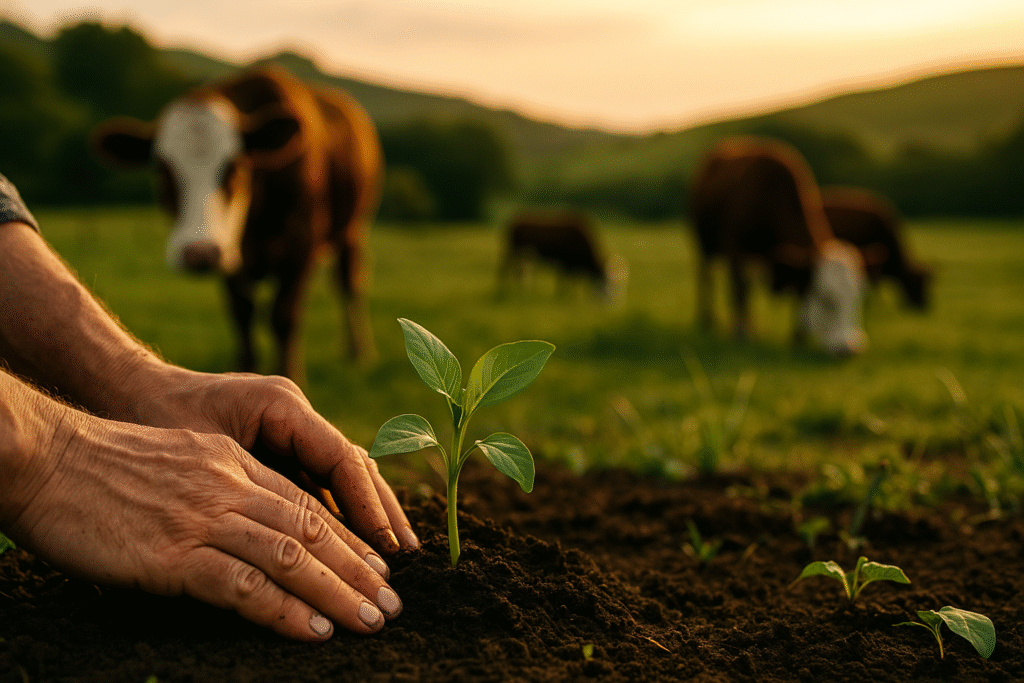
The conversation must move from “farming versus the planet” to “farming for the planet.”
That includes:
- Policy balance: realistic environmental goals that protect both nature and livelihoods.
- Consumer awareness: understanding seasonal, local food choices.
- Education: reconnecting children with how food grows.
- Research: funding innovation in low-emission crops and livestock.
Every loaf of bread, glass of milk, and salad bowl starts with a seed and soil. That process deserves celebration, not scorn.
Section 13: Lessons from the Pandemic We Shouldn’t Forget
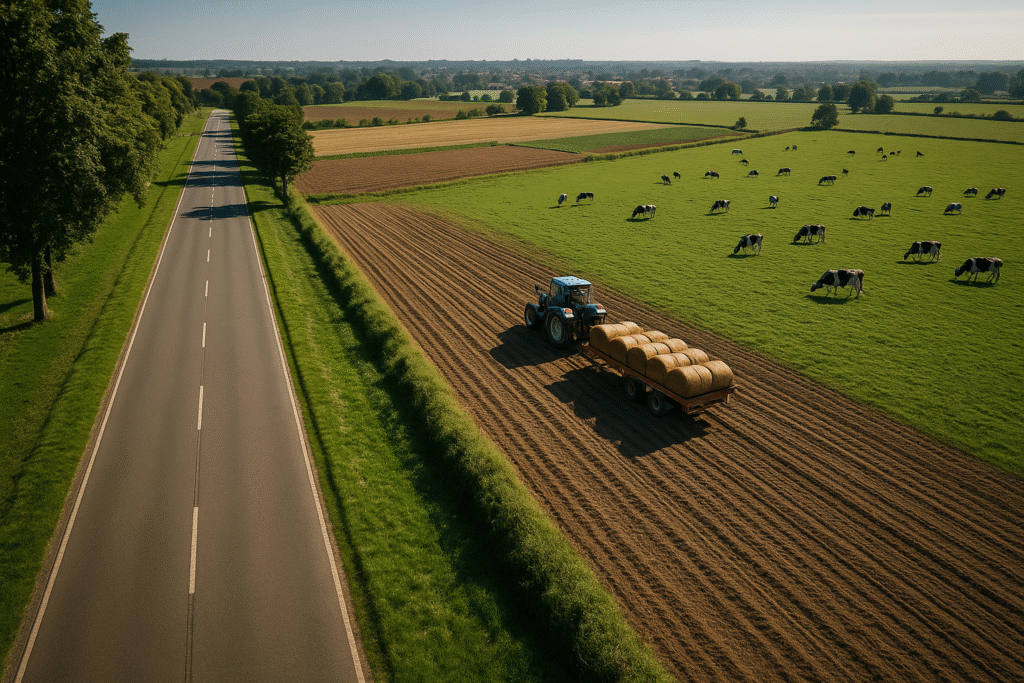
COVID-19 taught hard lessons:
- Global trade can stop overnight.
- Nations without strong local farming suffer most.
- People panic when shelves empty, not when beaches close.
Farming kept civilization functioning while the rest of the world paused.
That truth hasn’t changed—only public focus has.
If another crisis came tomorrow, it wouldn’t be influencers or airlines who would save us. It would be farmers, again.
Section 14: The Real Cost of Ignoring Agriculture
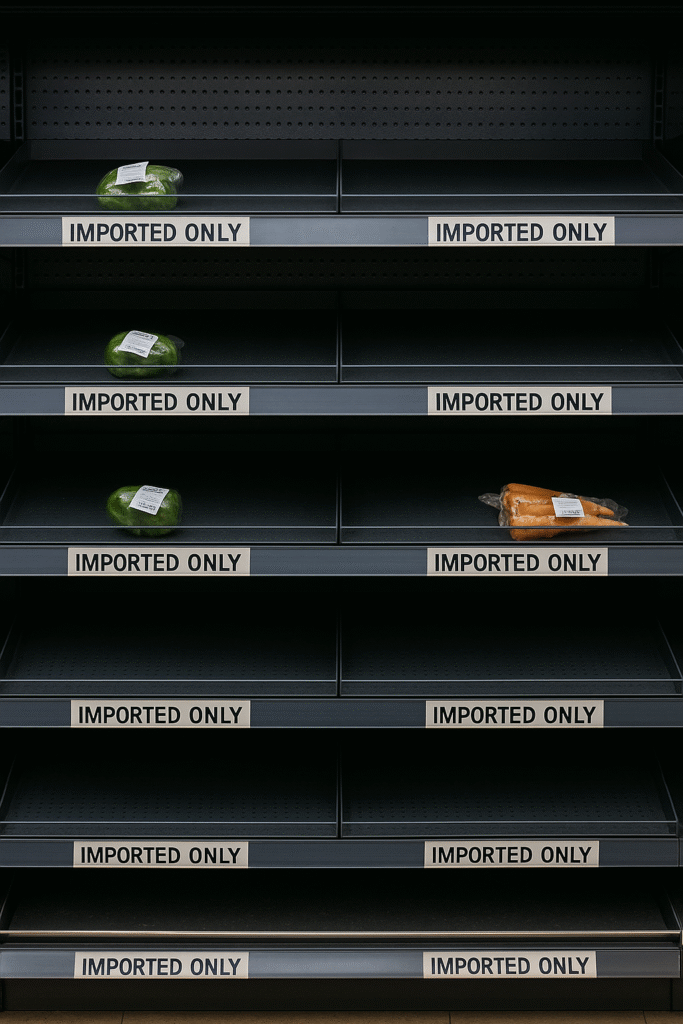
Turning against farmers risks more than hurt feelings—it threatens food security itself.
If regulations and sentiment drive farmers out of business:
- Imports rise, often from places with weaker environmental standards.
- Rural economies collapse, losing skills and community.
- Emissions shift overseas, increasing global impact instead of reducing it.
- Consumers pay more for less reliable, less sustainable food.
A country that forgets its farmers risks forgetting how to feed itself.
Section 15: Building a Shared Path Forward
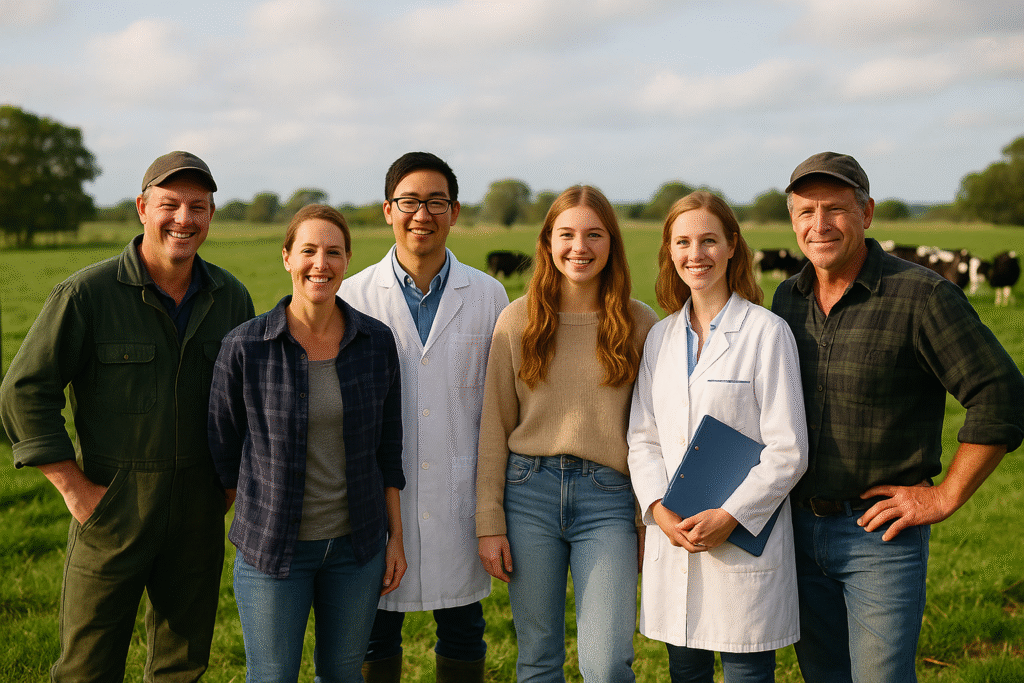
Real progress will come when the public and policymakers walk alongside farmers instead of pointing fingers.
We need collaboration:
- Scientists developing practical solutions.
- Governments offering incentives, not punishments.
- Consumers choosing local produce.
- The media celebrates success stories instead of amplifying guilt.
When all sectors share responsibility, agriculture stops being the scapegoat and becomes the cornerstone of sustainability.
Conclusion: The World Still Needs Its Farmers
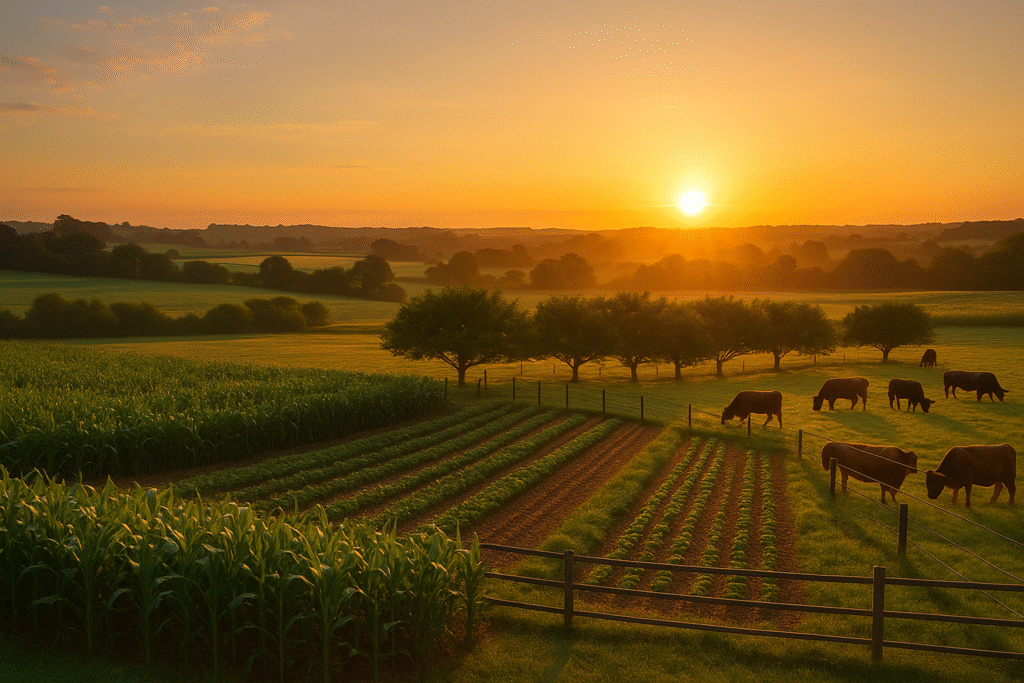
During the pandemic, farmers didn’t stop to ask for recognition. They simply did what they always do: worked the land, fed the world, and kept communities alive.
They were the heroes we didn’t applaud loudly enough.
And they still are.
From dairy sheds to grain silos, from greenhouses to orchards, farming remains the heartbeat of humanity.
It shouldn’t take another crisis for the world to realize that again.