
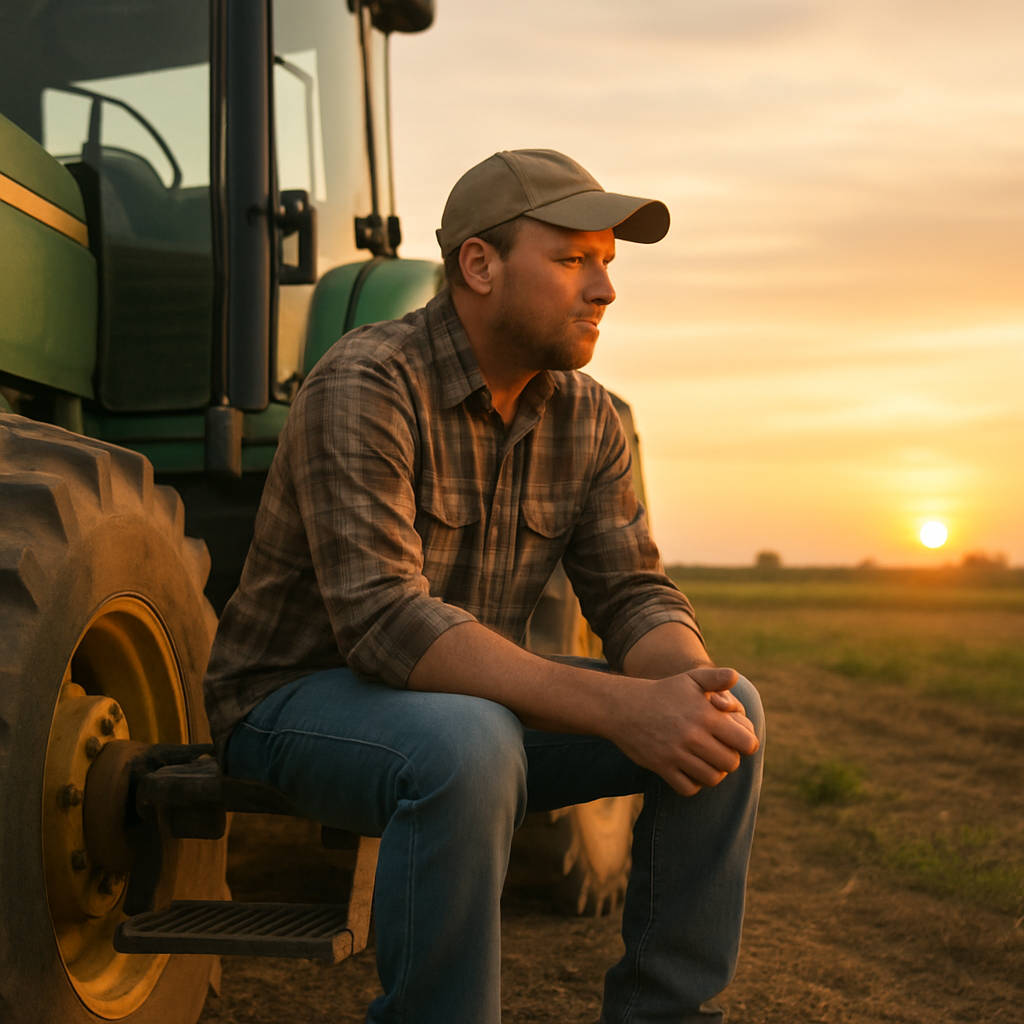
🌾 The Weight on Their Shoulders: Understanding Mental Health in Farming
Introduction: The Hidden Strain Behind the Fields
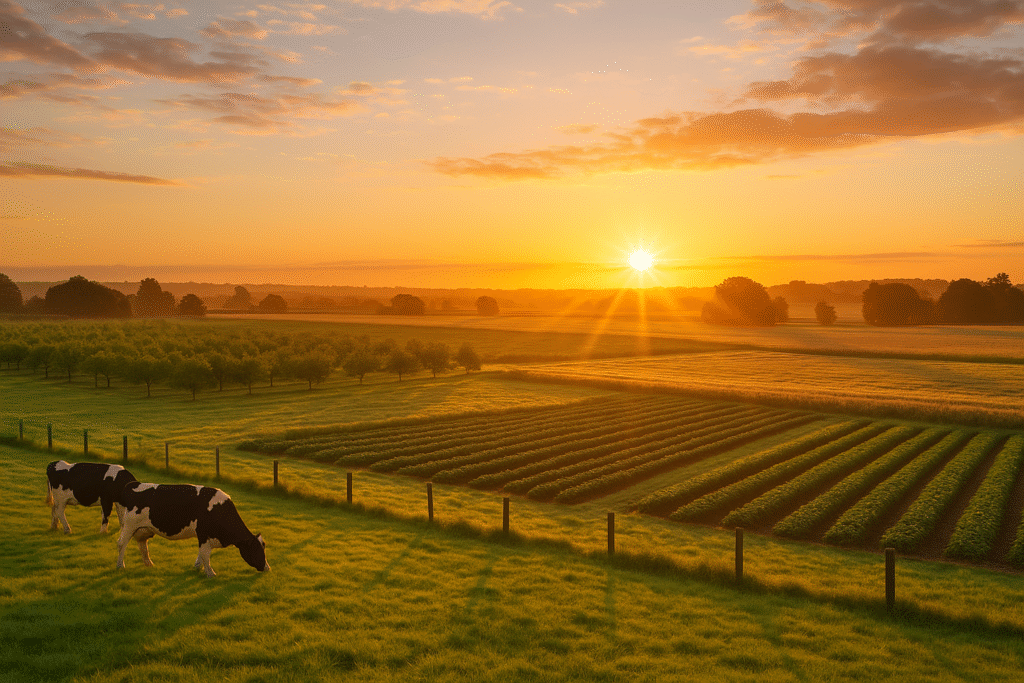
When we picture farming, we often imagine green fields, morning light, and hard but honest work. What we don’t see is the emotional weight many farmers carry behind that image.
Across the world — from small family farms to large operations — mental health in farming has become a growing concern. While agriculture is one of the most essential industries, it’s also one of the most demanding, unpredictable, and misunderstood.
Farmers face not just the elements, but also financial uncertainty, social isolation, public criticism, and ever-shifting expectations. Despite being among the most resilient workers, even the strongest can begin to buckle under the strain.
Section 1: The Reality of Stress in Farming
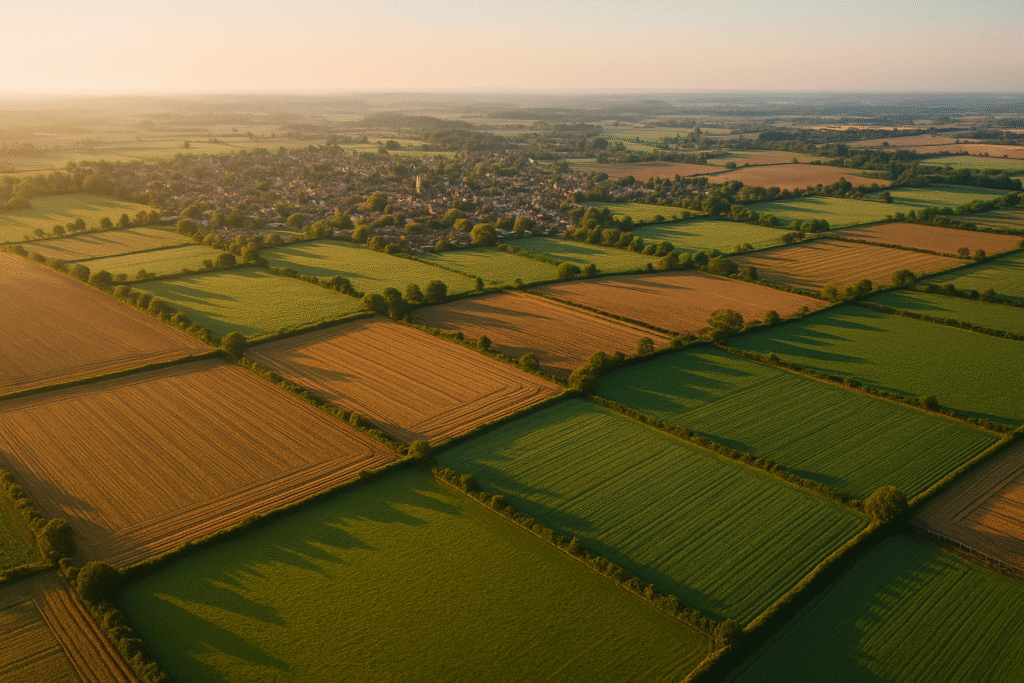
Farming has never been easy. But in today’s world, the pressures have multiplied.
1.1 Weather and Climate Extremes
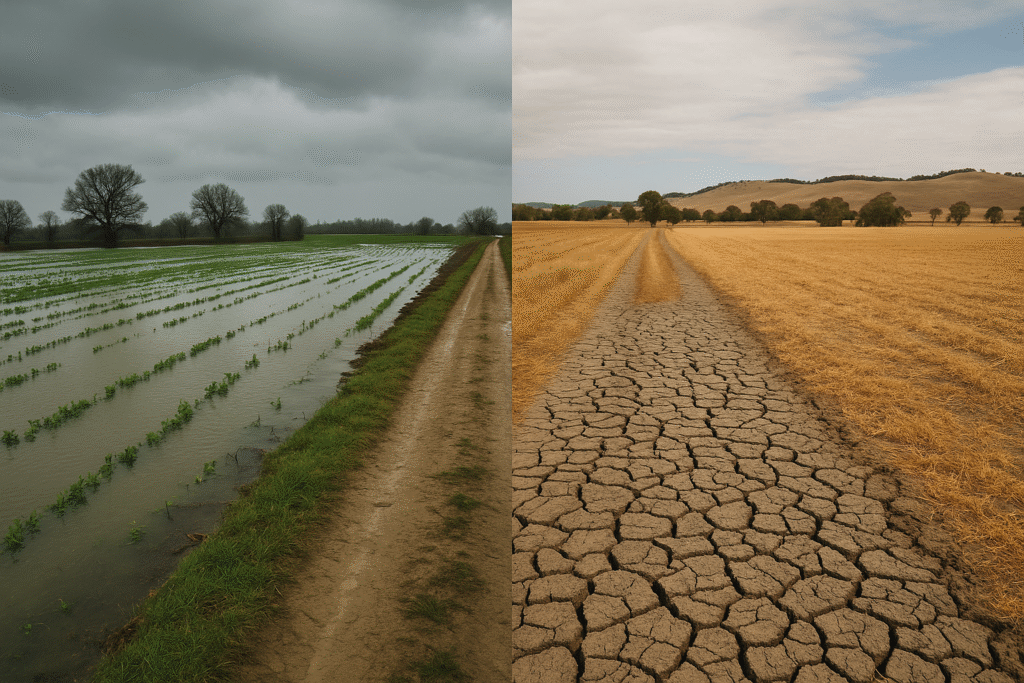
One of the biggest stressors is the unpredictability of weather. Droughts, floods, storms, and heatwaves are becoming more frequent and severe. For many farmers, years of work — and entire livelihoods — can be wiped out overnight.
In some regions, heavy rainfall has washed away crops and destroyed infrastructure. In others, prolonged drought has left farmers without feed for their animals or water for their land. Watching the work of an entire season vanish in a single storm is a heartbreak that can’t be described — only felt.
And while the weather has always played a role in farming, the unpredictability is worsening, and so is the anxiety that comes with it.
1.2 Economic and Logistical Pressures
Farming margins are slim. Rising costs for fuel, fertilizer, feed, and equipment create constant financial stress. Many farmers work long hours with little rest, often taking on debt just to stay afloat.
Even in good years, income can fluctuate wildly. For younger farmers trying to take over family farms, the uncertainty can feel suffocating.
1.3 Media and Public Pressure
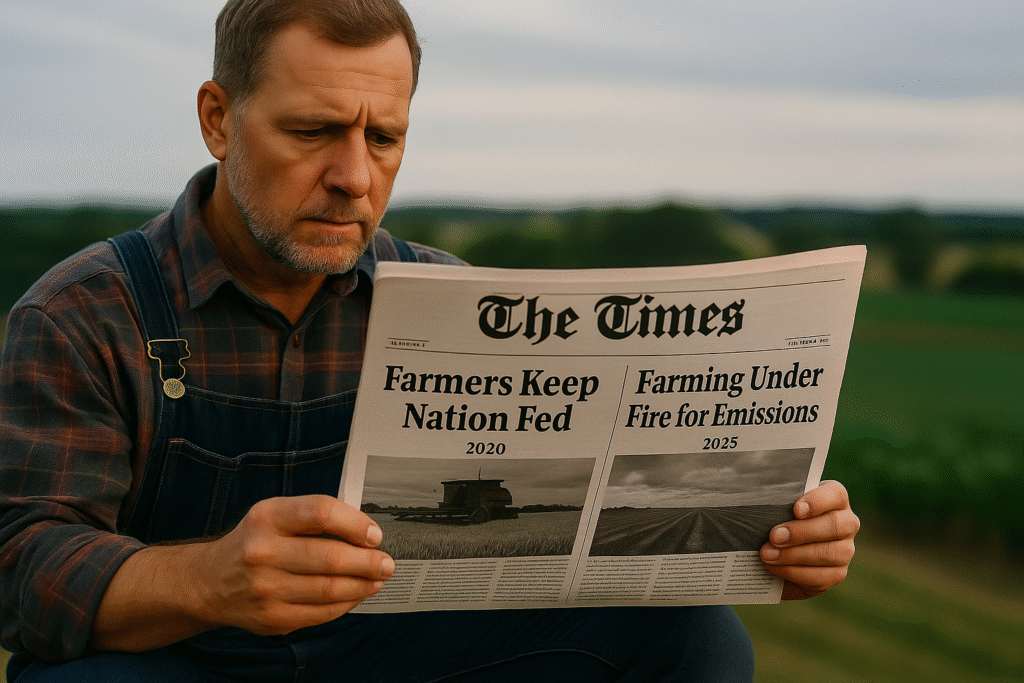
In recent years, farmers have been portrayed as environmental villains — accused of being the main cause of climate change, pollution, or methane emissions.
This public scrutiny — often without context — has left many farmers feeling demonized and defeated. They care for the land more intimately than most people ever will, yet they’re made to feel like they’re the problem.
Hearing “you’re destroying the planet” day after day wears down even the toughest. Farmers want to be part of the solution, but they also need recognition for the vital role they already play in feeding and sustaining communities.
Section 2: Why Mental Health in Farming Matters
Mental health challenges in agriculture aren’t just personal — they’re economic and social issues that affect entire rural communities.
When a farmer struggles, farms can fall behind, animals may suffer, families feel the strain, and communities lose stability.
In countries like New Zealand, Australia, the UK, and the US, studies show higher rates of depression, anxiety, and suicide among farmers compared to the general population.
This isn’t because farmers are weaker. It’s because the load they carry — physically, emotionally, and financially — is heavier than most realize.
Section 3: The Strength of Farmers — and the Breaking Point
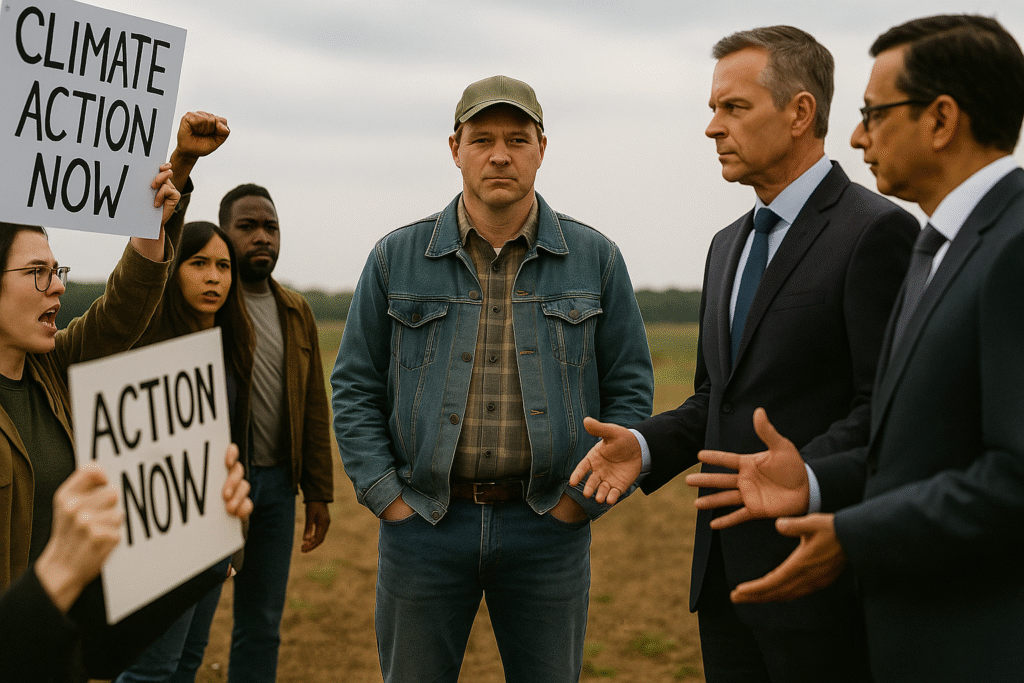
Farmers are renowned for their resilience. They adapt, innovate, and keep going, even in the worst conditions. But resilience has limits.
Being told you’re “strong” can also make it harder to ask for help. Many farmers grew up with a “just get on with it” mindset. Mental health wasn’t talked about; it was endured.
Yet silence can be deadly. Pride and isolation often prevent people from reaching out until it’s too late.
It’s vital that we normalize conversations about mental health in farming — treating it with the same seriousness as physical safety on the farm.
Section 4: What’s Causing the Pressure
4.1 Uncontrollable Factors
- Weather events and climate volatility
- Market prices determined by global forces
- Rising interest rates and input costs
- Government regulation and compliance complexity
4.2 Social & Media Factors
- Negative media portrayal of agriculture
- Public misunderstanding of how food is produced
- Pressure to meet “green” targets without resources
- Lack of acknowledgment for sustainable progress already made
4.3 Personal & Family Factors
- Long hours and exhaustion
- Isolation in rural areas
- Family succession tensions
- The emotional bond with animals and land that makes loss devastating
Section 5: What Can Be Done
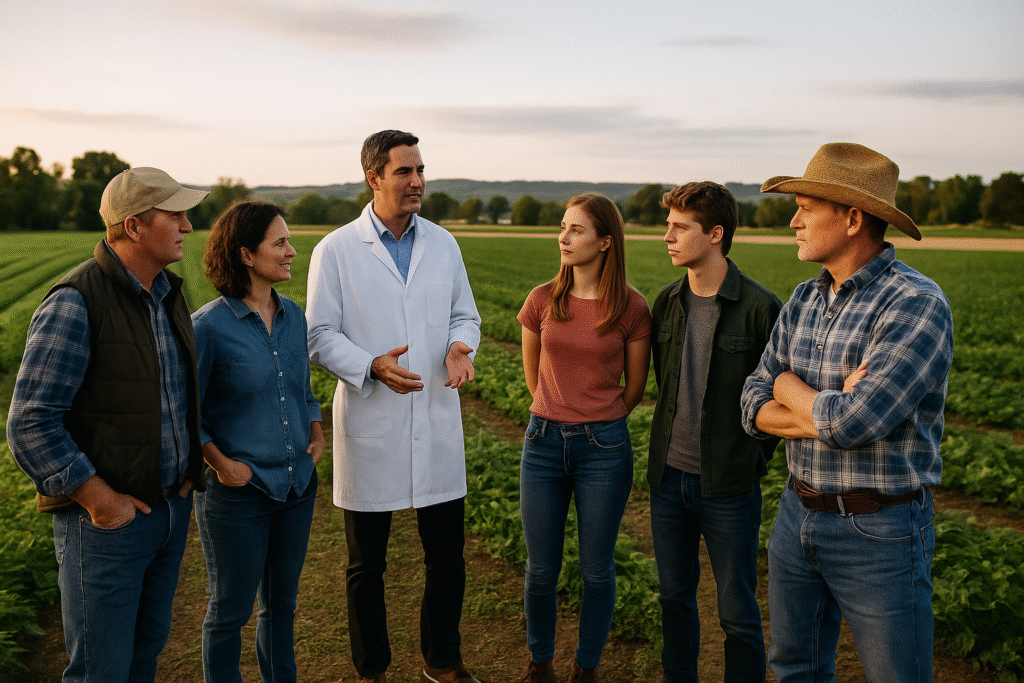
Despite the challenges, change is possible — and it begins with understanding, communication, and support.
5.1 Talk Openly
The first step is to break the silence. Talking about mental health should be as normal as discussing pasture rotation or market prices.
When one farmer opens up, it gives others permission to do the same. Rural networks, social media groups, and farm organizations are helping make these conversations normal — and lifesaving.
5.2 Community and Peer Support
In farming, community is everything. Local groups, churches, and rural networks can provide informal spaces for connection. A cup of coffee at the local co-op, a chat at the sale yards, or checking in after a storm — these simple moments can stop someone from feeling alone.
Some regions have created “Farmstrong”-type programs (NZ), Rural Support Trusts, or farmer-led peer groups. These help normalize help-seeking and connect people with professionals who understand farm life.
5.3 Professional Support
Mental health support tailored for farmers matters. Services like:
- Rural helplines and farm-specific counselling (e.g., Rural Support Trust, Beyond Blue, Mind Your Head UK)
- Telehealth services for remote areas
- Crisis lines with agricultural knowledge
Farmers often respond better to counsellors who understand that “losing 50 hectares” or “selling a herd” isn’t just business — it’s identity and legacy.
5.4 Financial and Policy Support
Governments and industry bodies need to recognise that economic stress equals mental stress. Simplifying compliance systems, offering emergency grants after disasters, and rewarding sustainable innovation all make a difference.
A farmer who feels supported by policy is a farmer with more emotional bandwidth to thrive.
Section 6: Rebuilding Respect and Balance
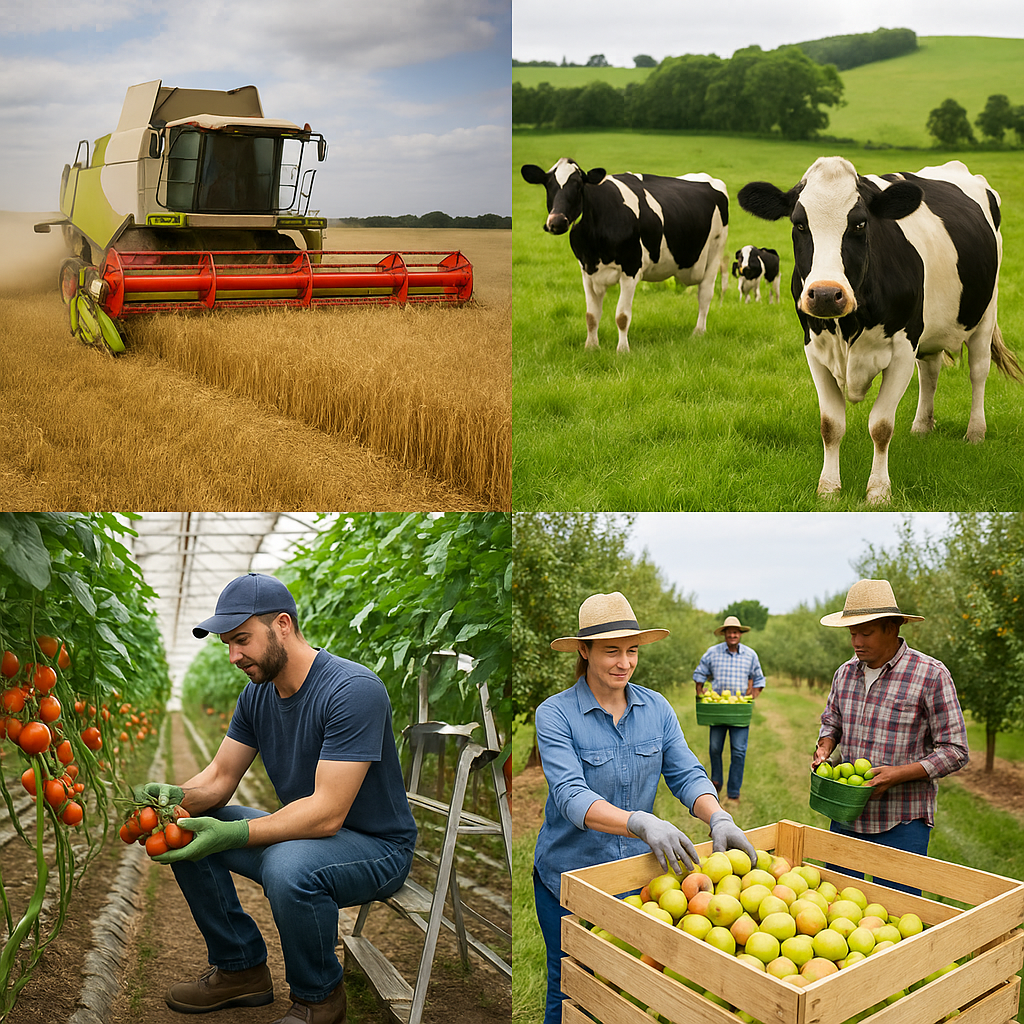
The narrative around farming needs to shift. Farmers are not enemies of the planet — they are its caretakers.
They produce food, care for soil, manage water, and nurture biodiversity more intimately than most people ever will.
Yes, farming contributes to emissions — but it’s also part of the solution. Farmers worldwide are adopting regenerative practices, improving soil health, using precision technology, and reducing waste.
Instead of blame, society should offer partnership.
The mental health of farmers improves when they feel valued, not vilified.
Section 7: Practical Tools and Habits for Farmers
Here are realistic, everyday ways farmers can protect their wellbeing:
- Prioritize rest: Even short breaks or 15-minute resets help clear the mind.
- Stay connected: Don’t isolate. Message a mate, visit neighbours, or join local groups.
- Keep perspective: The weather, markets, and politics are out of your control — focus on what is.
- Limit exposure to negative media: Constant criticism online can erode confidence; step back when needed.
- Celebrate small wins: A good calving season, a recovered paddock, or a helping hand from a neighbour all matter.
- Include family: Share decisions, fears, and progress — it strengthens bonds.
- Seek professional help early: You don’t have to hit rock bottom to reach out.
- Look after physical health: Sleep, hydration, and nutrition directly affect mood and resilience.
Section 8: What the Public Can Do

City dwellers, consumers, and policymakers also have a role to play in protecting farmer wellbeing.
- Show appreciation. Buy local food, thank farmers, and learn about where food comes from.
- Challenge unfair narratives. If you see farming being misrepresented, speak up.
- Engage constructively. Sustainable farming needs support, not shame.
- Support rural charities. Donate to or volunteer with organizations focused on farmer mental health.
When the public understands the reality behind farming, empathy replaces judgment — and that alone can lift morale across rural communities.
Section 9: Hope on the Horizon
Despite the challenges, farming communities are finding strength in solidarity.
Young farmers are leading new mental health initiatives. Social media campaigns share honest stories and reminders that “it’s okay not to be okay.” Agricultural expos and field days now include wellbeing booths alongside machinery displays.
These cultural shifts show progress. The more mental health becomes part of everyday farm talk, the fewer people will face struggles alone.
Section 10: Where to Get Help

If you or someone you know is struggling, please reach out to one of these supports (adapt as regional):
New Zealand
- Rural Support Trust: 0800 787 254
- Need to Talk? Call or text 1737 for free 24/7 support.
Australia
- Beyond Blue: 1300 22 4636
- Lifeline: 13 11 14
- Rural Aid – Farm Army Support
United Kingdom
- Mind Your Head UK
- RABI (Royal Agricultural Benevolent Institution)
United States
- 988 Suicide & Crisis Lifeline
- Farm Aid Hotline: 1-800-327-6243
You are not alone, even if your nearest neighbour is kilometres away.
Conclusion: Standing With the People Who Feed the World
Farmers are the backbone of every nation — the quiet providers who ensure food reaches every table. Yet behind the strength, many carry invisible burdens.
The truth about mental health in farming is that it affects everyone — families, communities, and future generations. The storms, both literal and emotional, are real. But so is the resilience that defines rural life.
By opening conversations, showing compassion, and creating policies that value the wellbeing of those who feed us, we can rebuild respect — and hope.
Because a healthy land needs healthy farmers. And together, we can make sure that happens.