
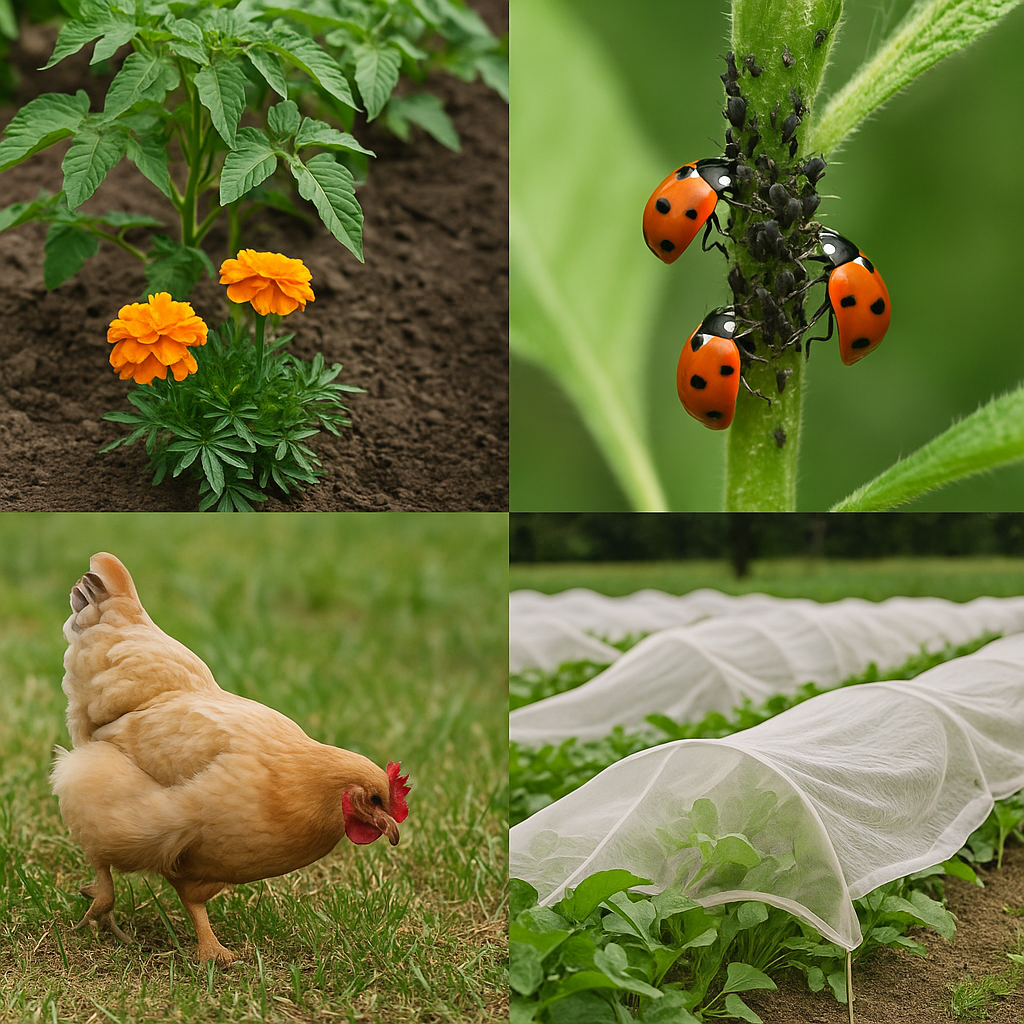
Natural Pest Control for Farms & Gardens: A Complete Guide
Introduction
Pests are a universal and a never ending challenge. Whether you’re a backyard gardener nurturing tomatoes on a balcony or a farmer managing acres of crops, you know the frustration of insects, rodents, and fungi damaging your hard work. Traditionally, the quick fix has been chemical pesticides. But in 2025, with growing awareness of health, environmental sustainability, and soil health, more people are turning to natural pest control methods.
In this guide, we’ll explore what natural pest control means, why it’s a better choice for both urban and rural growers, and the practical ways you can keep your plants safe — without relying on harsh chemicals.
What Is Natural Pest Control?
Natural pest control refers to using biological, botanical, cultural, and mechanical methods to manage pests rather than relying on synthetic chemical pesticides. The goal is balance, not eradication.
Instead of wiping out every insect, natural methods encourage a healthy ecosystem where beneficial organisms keep harmful pests under control.
Natural pest control can include:
- Plant-based sprays (like neem oil or peppermint oil)
- Encouraging beneficial insects (like ladybugs)
- Physical barriers (nets, row covers)
- Soil and crop management techniques
- Natural repellents (herbs, essential oils, companion planting)
Why Natural Pest Control Is Better
1. Healthier for Humans
Chemical pesticides can leave residues on vegetables and fruits. Over time, consuming these residues may harm health. Natural methods minimize exposure, which is especially important for families, children, and communities who eat straight from their gardens.
2. Safer for Animals and Pollinators
Bees, butterflies, and even birds are often collateral damage when synthetic sprays are used. Natural pest control is designed to target harmful species while protecting beneficial pollinators and farm animals.
3. Protects Soil and Water
Chemical pesticides often leach into soil and water, damaging microorganisms, contaminating groundwater, and reducing soil fertility. Natural methods preserve soil biology, which is essential for healthy crops.
4. Sustainable Long-Term
Chemical resistance is a real problem. Many pests evolve to resist sprays, leading to heavier chemical use. Natural methods encourage biodiversity, which keeps ecosystems resilient.
5. Cost-Effective
While some natural methods require an initial investment, they often save money in the long run by reducing crop losses, avoiding expensive chemicals, and improving soil fertility naturally.
Natural Pest Control in Urban Gardens
Urban growers face unique challenges. Limited space means pests can concentrate quickly, and neighbors may object to chemical sprays. Fortunately, natural methods work beautifully in city gardens.
Companion Planting

Planting herbs and flowers alongside vegetables can repel pests naturally.
- Basil repels mosquitoes and flies.
- Marigolds deter nematodes and aphids.
- Lavender helps keep moths away.
Homemade Sprays
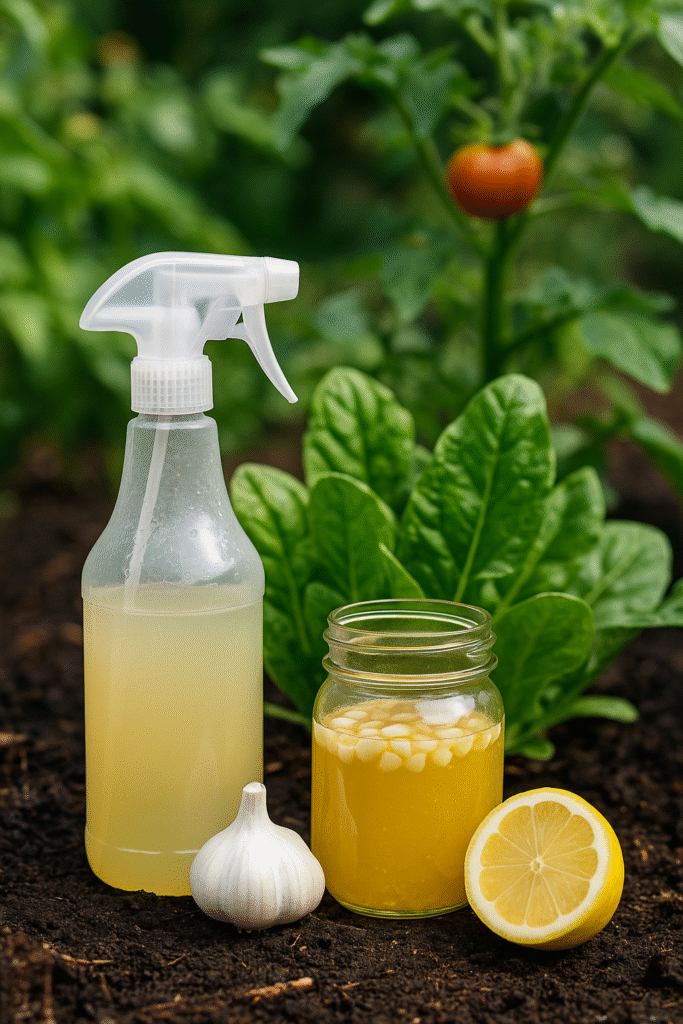
Urban gardeners often use safe, easy solutions:
- Neem oil spray – disrupts insect feeding and reproduction.
- Peppermint oil spray – repels ants, spiders, and aphids.
- Soap sprays – suffocate soft-bodied insects like mites and whiteflies.
Barriers and Covers
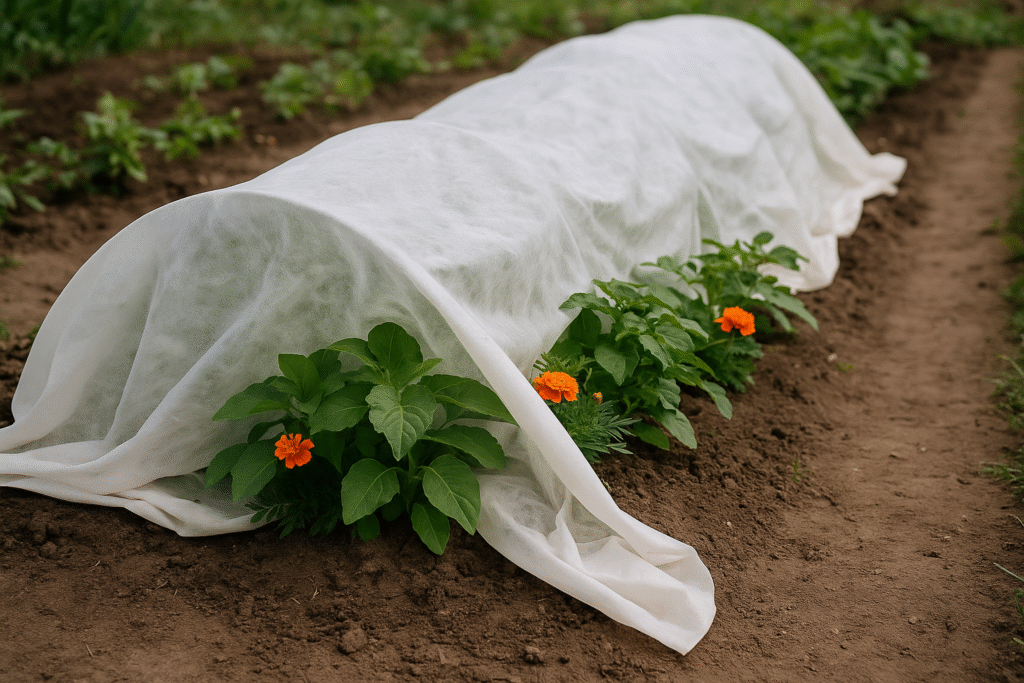
- Row covers protect leafy greens from caterpillars and beetles.
- Sticky traps catch flying pests before infestations grow.
Encouraging Beneficial Insects
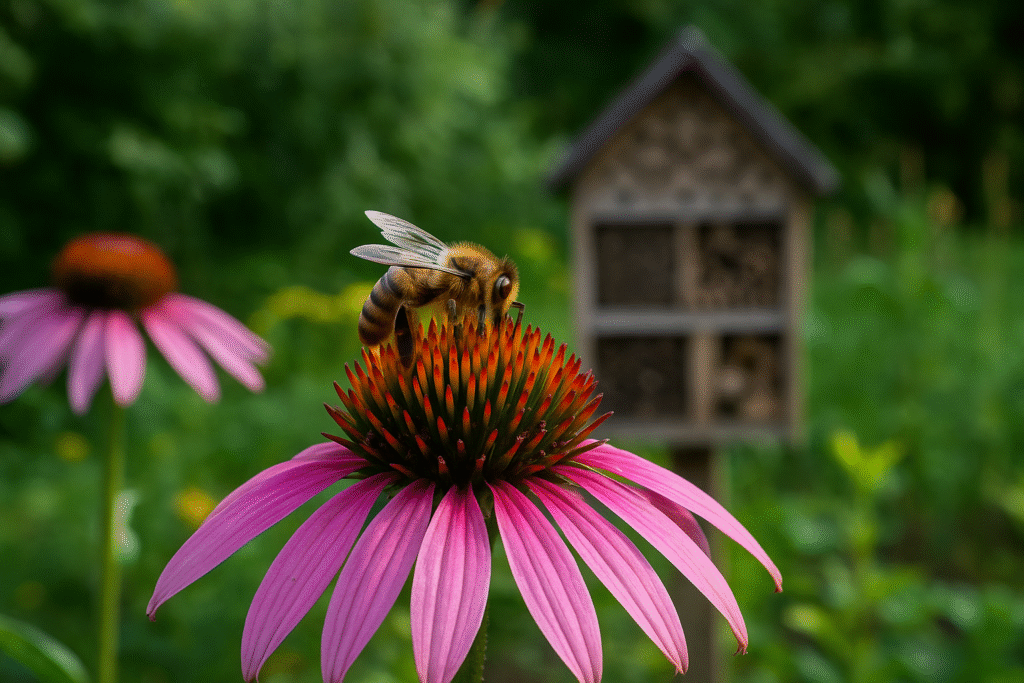
Urban balconies and rooftops can attract pollinators and pest predators with the right plants. Ladybugs and lacewings are natural aphid hunters.
Natural Pest Control in Rural Farms
Rural farmers deal with larger spaces, more pest variety, and sometimes heavier infestations. Natural methods can scale up with a little planning.
Crop Rotation
Rotating crops disrupts pest life cycles. For example, alternating corn with legumes reduces soil pests that feed on roots.
Intercropping
Mixing crops confuses pests. Planting sunflowers alongside beans or pumpkins provides trap plants that attract pests away from the main crop.
Livestock Integration
Chickens, ducks, and even guinea fowl are effective pest managers. They eat insects, larvae, and weeds, reducing pest populations naturally.
Biological Controls
- Releasing beneficial insects such as predatory wasps for caterpillars.
- Using nematodes to control soil grubs.
- Encouraging barn owls to manage rodent populations.
Natural Sprays at Scale
Organic sprays like pyrethrum (from chrysanthemums) or garlic oil can be applied with backpack sprayers or irrigation systems across larger areas.
Types of Natural Pest Control Methods
1. Biological Control
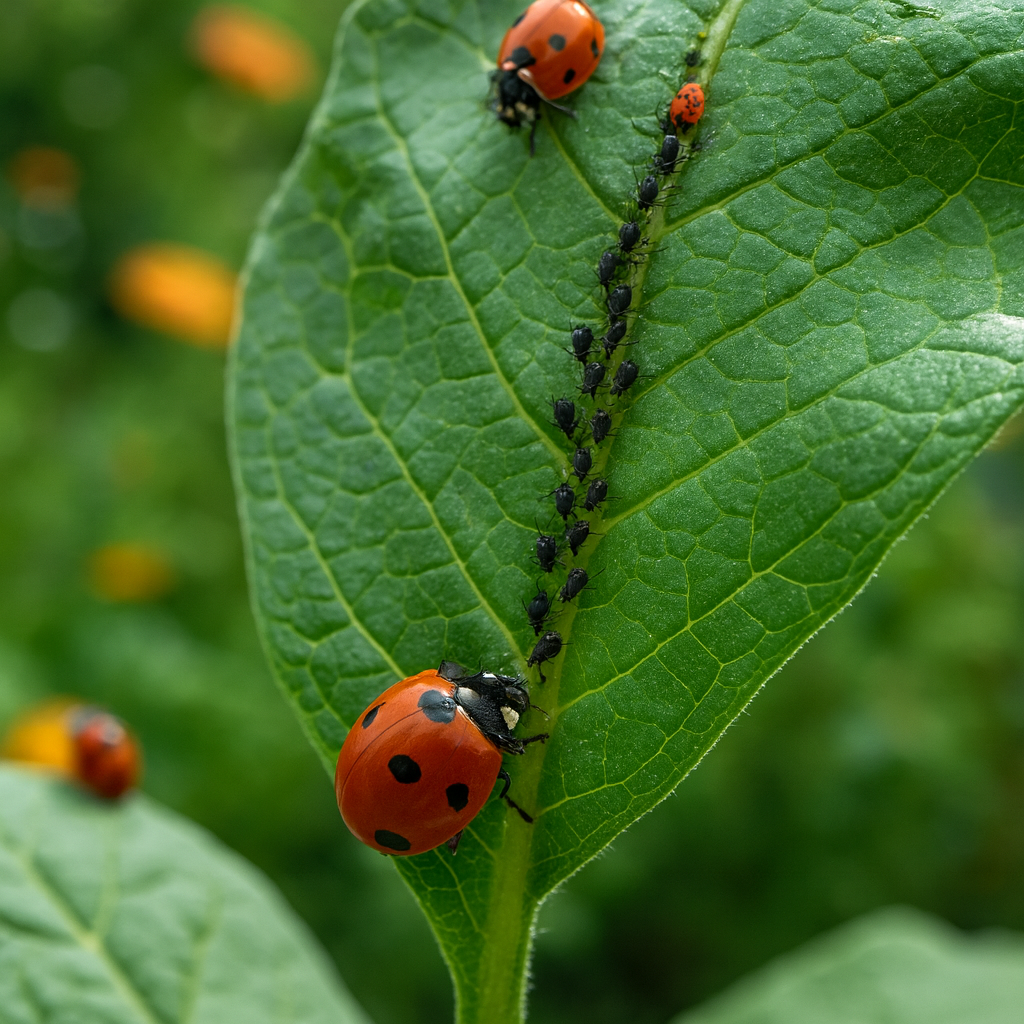
Using living organisms to manage pests. Examples:
- Ladybugs for aphids
- Nematodes for soil pests
- Birds for caterpillars
2. Botanical Control
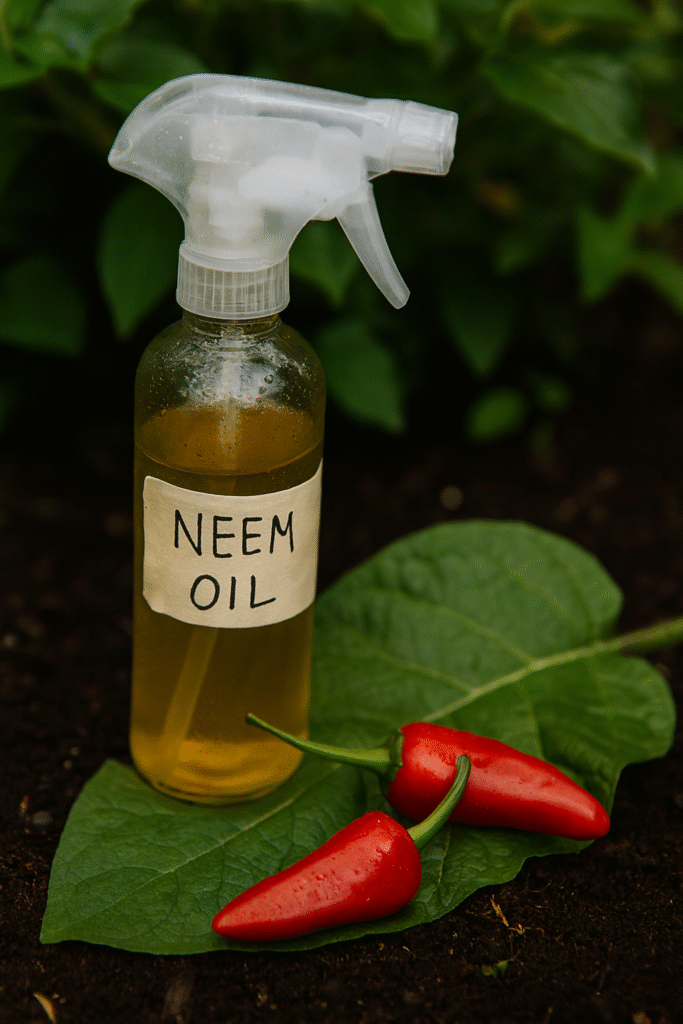
Sprays or dusts derived from plants. Examples:
- Neem oil
- Garlic spray
- Chili pepper spray
3. Cultural Practices

Changing farming techniques to reduce pests. Examples:
- Crop rotation
- Timing of planting to avoid pest peaks
- Maintaining soil health
4. Mechanical and Physical Control
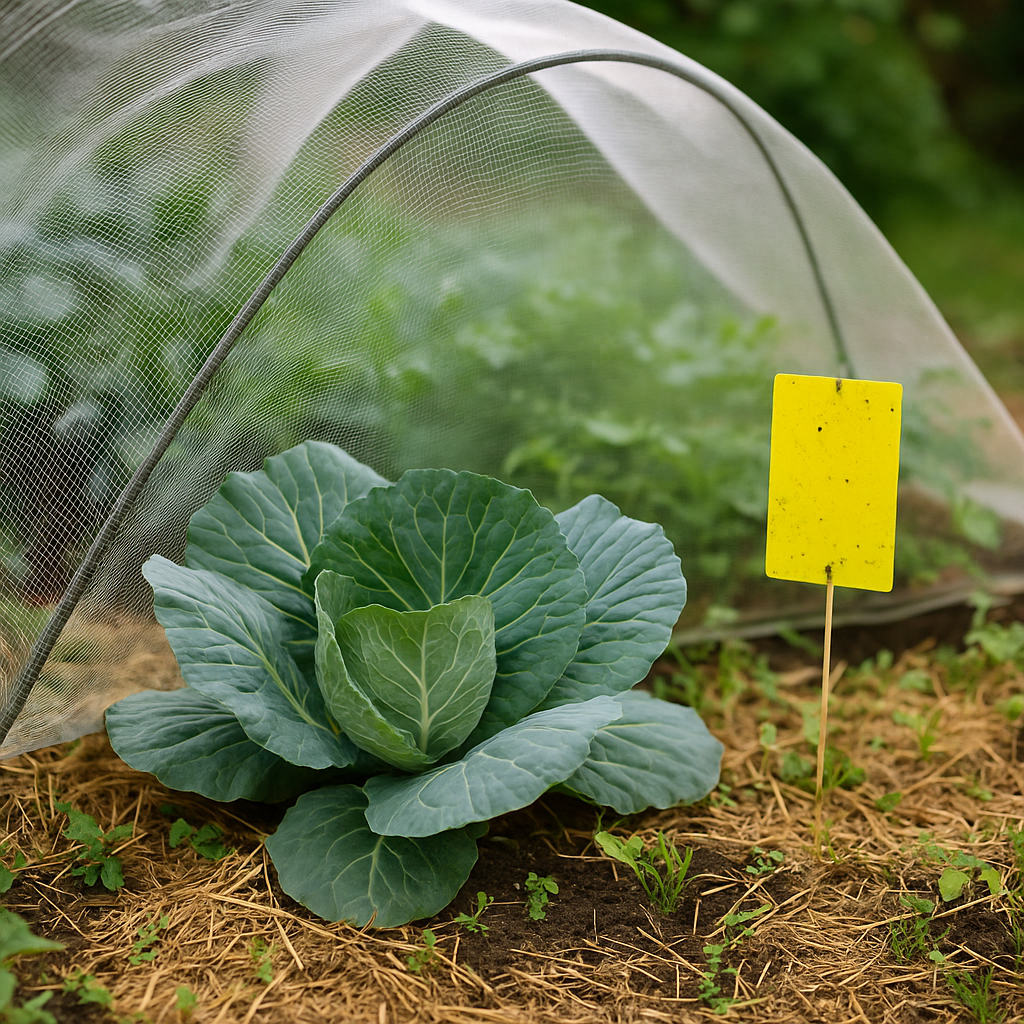
Creating barriers or traps. Examples:
- Insect nets
- Sticky traps
- Mulching to deter weeds and soil pests
5. Preventative Methods
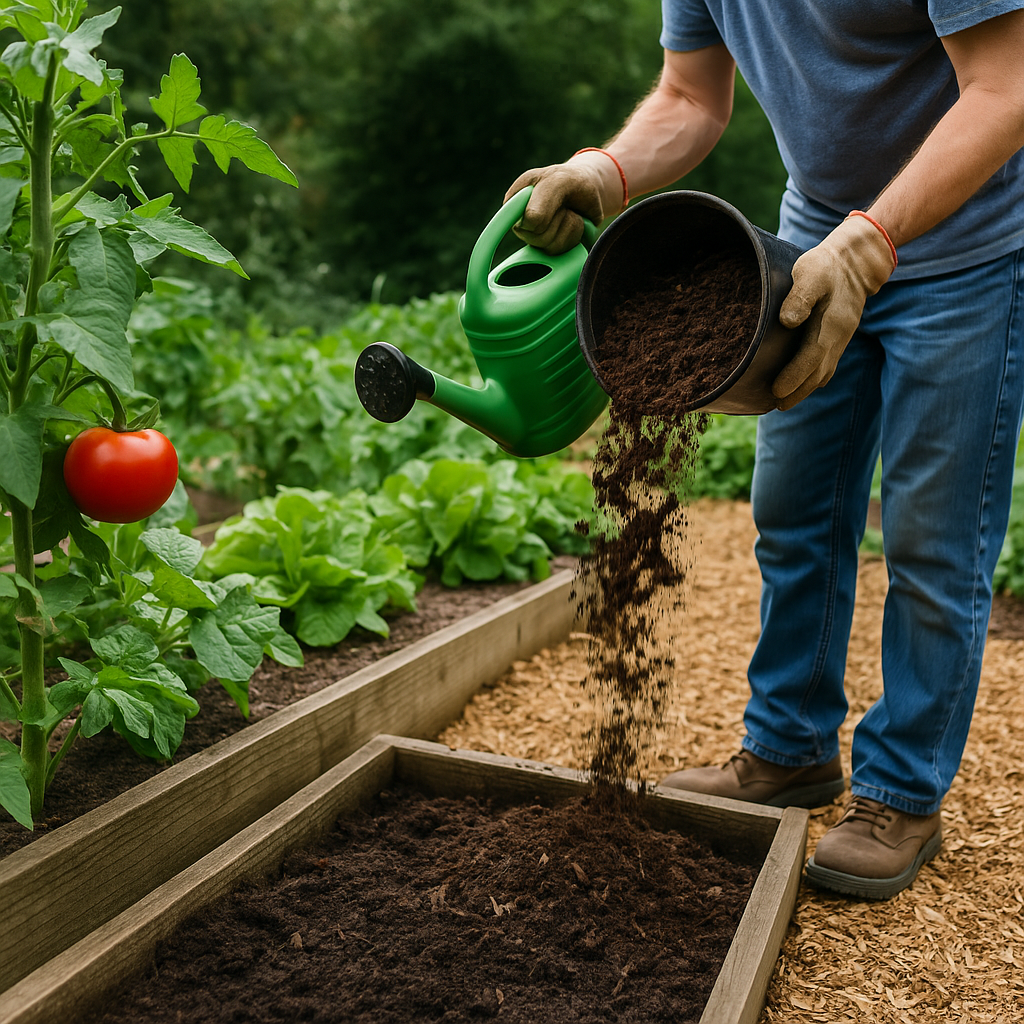
Healthy plants resist pests better. Practices like composting, watering correctly, and providing adequate spacing all reduce pest outbreaks.
Challenges of Natural Pest Control
While natural pest control offers many benefits, it’s not without challenges:
- May require more frequent application than chemicals.
- Works best as prevention rather than emergency cure.
- Takes time to establish beneficial ecosystems.
- Requires farmers and gardeners to observe and adapt regularly.
However, these challenges are outweighed by the long-term sustainability and safety benefits.
Practical Examples
- Urban Example: An apartment gardener plants marigolds and basil alongside tomatoes, sprays neem oil weekly, and uses sticky traps to manage whiteflies.
- Rural Example: A farmer rotates corn with legumes, integrates ducks into rice paddies to control pests, and releases beneficial wasps in orchards.
Both systems rely less on chemicals, save costs over time, and improve yields sustainably.
The Future of Pest Control
Looking forward, natural pest control will become more integrated with technology:
- Drones to release beneficial insects.
- Smart traps that monitor pest levels.
- AI-driven irrigation that reduces conditions for pests.
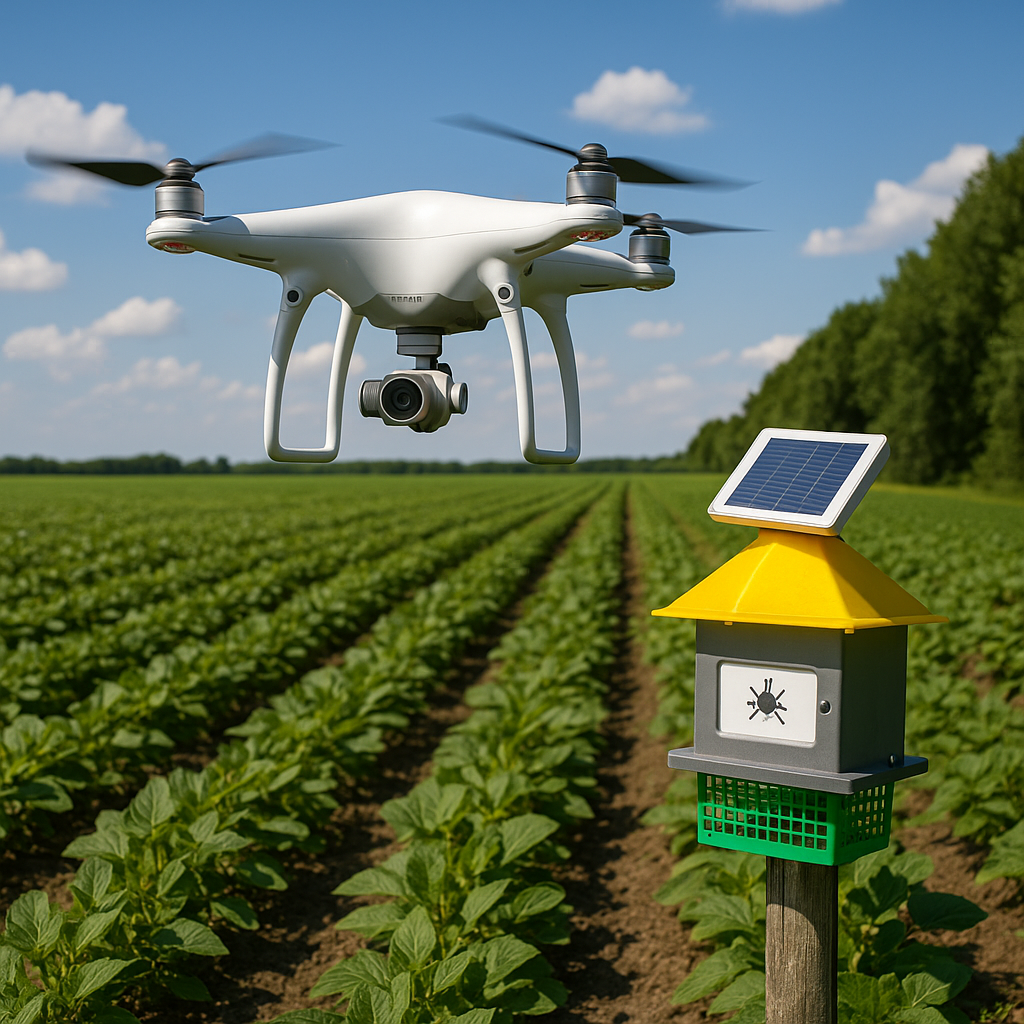
But the foundation remains the same: working with nature, not against it.
Conclusion
Natural pest control is more than just an alternative to chemicals — it’s a holistic, sustainable, and effective way to protect crops and gardens.
For urban gardeners, it means safe, simple solutions like companion planting, homemade sprays, and pollinator-friendly practices.
For rural farmers, it means bigger strategies like crop rotation, livestock integration, and large-scale organic sprays.
The benefits are clear: healthier soil, safer food, resilient ecosystems, and stronger yields.
By embracing natural pest control, we not only protect our plants but also safeguard our health, environment, and future food security.