
Planting Too Many Pine Trees to Offset Carbon: Why It Can Be Destructive for Good Farmland (and Better Solutions)
Introduction
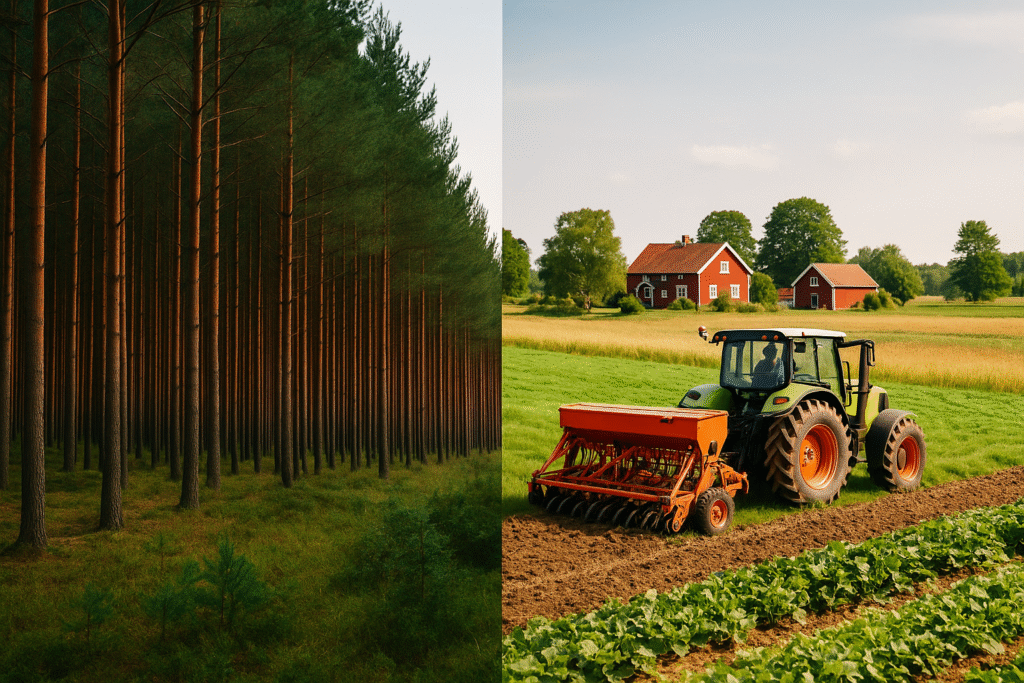
Planting too many pine trees for carbon offsets may seem helpful, but it can actually harm farmland. Across the world, governments, corporations, and even individuals are turning to tree planting as a solution to offset carbon.And for many farmers it generates more income than sheep or beef farming through carbon credits. Pine trees, in particular, are popular because they grow quickly, are hardy, and absorb significant amounts of carbon dioxide during their growth.
But here’s the problem: planting too many pine trees—especially on fertile farmland—is not the silver bullet many imagine. While the idea sounds appealing, the reality is that converting productive farmland into pine plantations can create long-term environmental and economic damage.
In this article, we’ll explore:
- Why blanket pine planting can harm soils, water, and biodiversity.
- How it affects rural farming communities and food security.
- Why it matters for urban readers who rely on farmland for food.
- Better, more balanced solutions for carbon sequestration.
Why Pine Trees Became a Popular Climate Solution
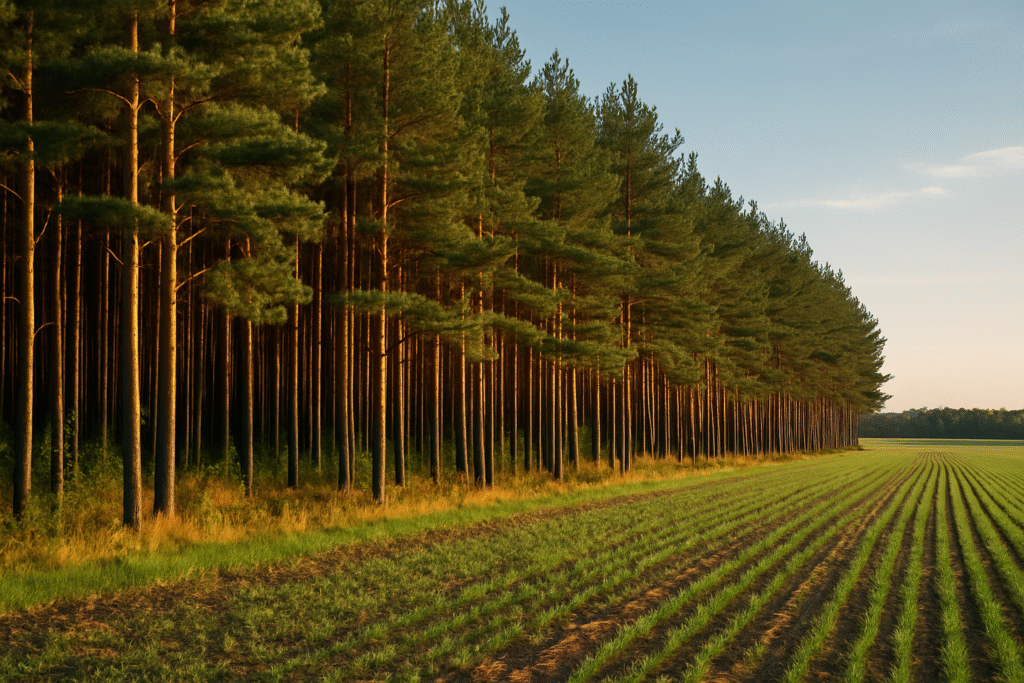
Pine species, especially fast-growing ones like radiata pine, are widely planted in carbon offset projects. Their popularity comes from:
- Fast growth: Pines mature quickly and pull carbon out of the air.
- Market value: They can be harvested for timber and paper industries.
- Hardiness: Pines grow in a variety of climates.
For carbon offset schemes, pine plantations are appealing because they are measurable and marketable. Carbon credits can be calculated, sold, and tracked, making them fit neatly into climate finance systems.
But this short-term gain often overlooks the long-term ecological costs.
The Problem With Turning Farmland Into Pine Plantations
1. Loss of Food-Producing Land
When fertile farmland is converted into pine plantations, it removes land from food production. With a growing global population, reducing our agricultural base risks food shortages and higher prices.
- Rural impact: Farmers lose productive land and future income from crops or livestock.
- Urban impact: Less farmland means higher food costs for city consumers.
2. Soil Acidification and Depletion
Pine needles decompose slowly and acidify the soil. Over time, this leads to:
- Reduced soil fertility.
- Poor conditions for native plants or crops if the land is later reclaimed.
- Increased difficulty restoring farmland once trees are harvested.
3. Biodiversity Loss
Monoculture pine plantations support far fewer species compared to mixed forests or farmland with diverse crops. This harms:
- Birds, insects, and pollinators.
- Soil microorganisms critical for carbon storage.
- Native ecosystems that get displaced.
4. Water Problems
Dense pine plantations consume large amounts of water, lowering groundwater levels and reducing stream flows. In dry climates, this can worsen droughts and limit water for farming.
5. Wildfire Risk
Pines are resinous and highly flammable. Planting vast areas of pine increases the intensity and spread of wildfires, putting nearby communities and farmland at risk.
Urban and Rural Perspectives
For Rural Farmers
- Pine planting often drives land speculation, pricing out small farmers.
- Government subsidies for tree planting can shift incentives away from food production.
- Once fertile farmland is planted in pines, restoring it for agriculture later can be very costly.
For Urban Consumers
- Urban readers may not see the trees firsthand but are directly affected.
- Reduced farmland = higher food prices in cities.
- Food imports increase carbon footprints if local farmland is lost.
Better Alternatives to Blanket Pine Plantations
So if pine trees aren’t the solution, what is? Let’s explore more effective and sustainable alternatives:
1. Agroforestry
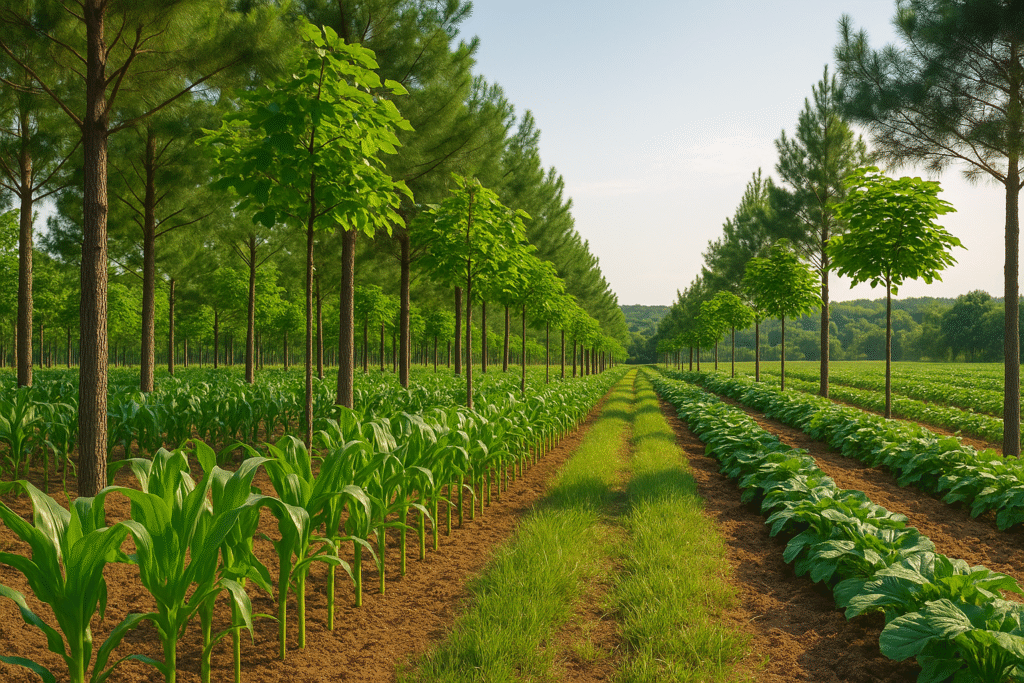
Instead of covering entire farms with pine, agroforestry integrates trees with crops or livestock. Benefits include:
- Trees provide shade and windbreaks.
- Root systems store carbon while improving soil.
- Farmers continue producing food while sequestering carbon.
Example: Rows of native trees planted between crop fields.
2. Native Tree Planting

Planting a variety of native species instead of a single type of pine:
- Supports biodiversity.
- Provides more stable, long-term carbon storage.
- Restores natural ecosystems while preserving farmland.
3. Regenerative Agriculture
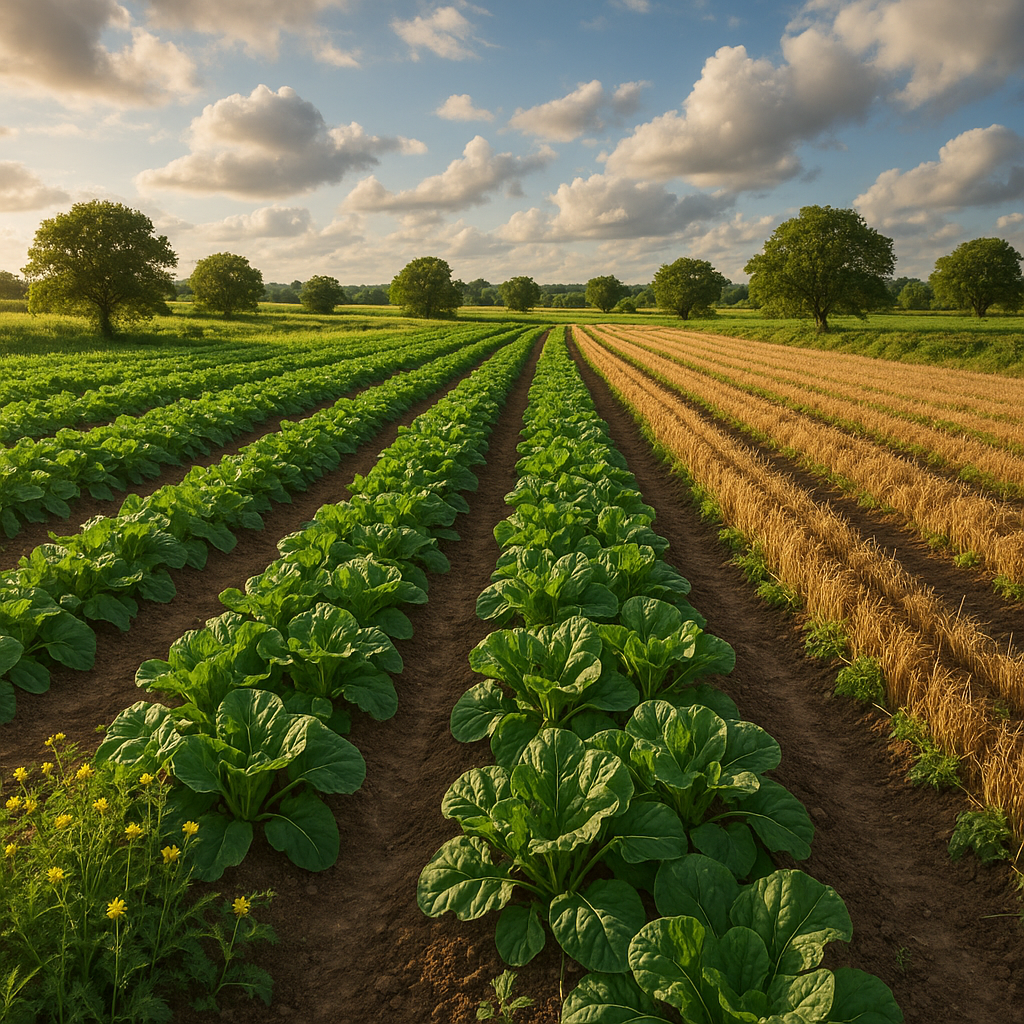
Soil can hold more carbon than forests in some regions when managed regeneratively:
- Cover cropping.
- No-till farming.
- Rotational grazing.
Each of these builds soil organic matter, capturing carbon while still producing food.
4. Silvopasture

Combining trees with grazing animals is one of the most effective carbon-sequestration strategies:
- Trees capture carbon and provide shade.
- Animals fertilize the land naturally.
- Diverse land use increases resilience.
5. Wetland and Grassland Restoration

Not all carbon sequestration happens in forests. Restoring wetlands and native grasslands can store massive amounts of carbon:
- Peatlands hold twice as much carbon as forests globally.
- Prairies and perennial grasses have deep root systems that lock carbon underground.
How Much Carbon Do These Alternatives Store?
- Pine monoculture: High short-term capture, but unstable long-term.
- Agroforestry: Moderate to high capture, stable, and multipurpose.
- Regenerative farming: Captures 1–3 tons of carbon per hectare annually while producing food.
- Wetland/grassland restoration: Extremely high long-term storage.

The key takeaway: diverse, integrated systems outperform monoculture plantations in both stability and overall benefit.
Case Studies
New Zealand – Radiata Pine Plantations
Large areas of sheep and cattle farmland were converted into pine plantations under carbon offset schemes. While carbon credits were earned, rural communities lost productive land, and concerns about wildfire and soil acidification grew.
Kenya – Agroforestry Success
Farmers planting native trees among crops improved soil fertility, boosted yields, and stored carbon. Unlike pine plantations, this approach supported both food production and carbon sequestration.
United States – Grassland Restoration
Programs to restore prairie grasslands have proven effective in locking carbon underground while providing grazing opportunities for cattle.
A Balanced Approach
Tree planting has a place in climate solutions, but not as a one-size-fits-all fix. Pine plantations can:
- Work in degraded or marginal lands.
- Provide timber alongside carbon storage.
But on fertile farmland, they are often destructive, short-sighted, and counterproductive.
The better path is balance: integrating trees, improving soils, and restoring ecosystems while keeping farmland productive.
Key Takeaways
- Too many pine plantations on good farmland are harmful for soils, biodiversity, water, and food security.
- Urban and rural communities alike suffer from reduced food production.
- Better solutions exist, including agroforestry, regenerative agriculture, silvopasture, and native restoration.
Soil and diverse ecosystems can capture as much or more carbon as monoculture pine plantations.