
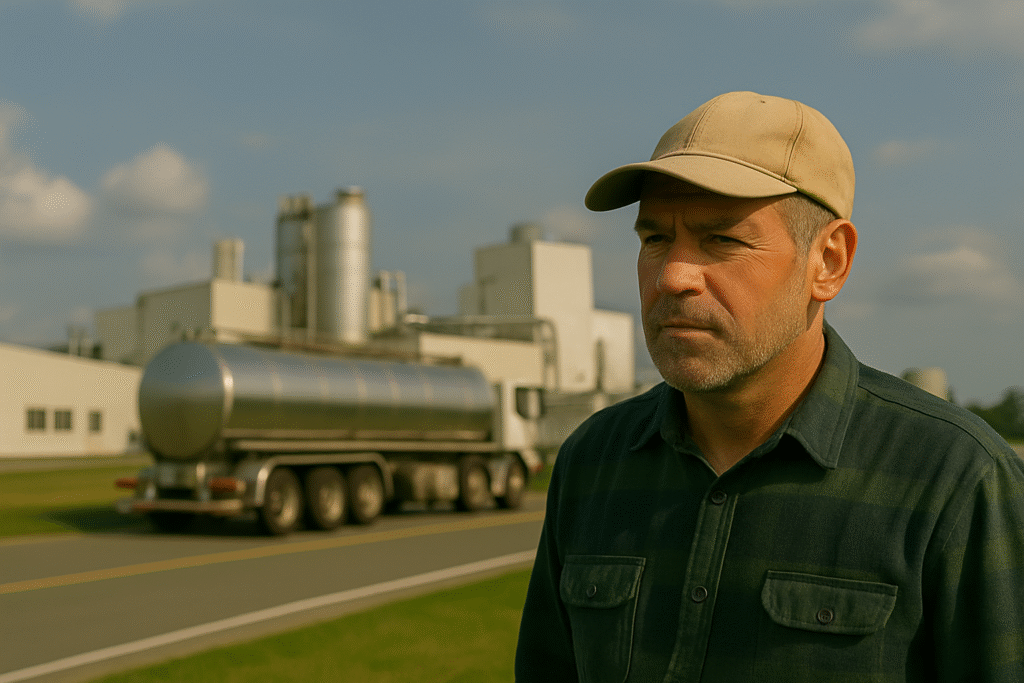
📰 Why Fonterra Farmers Voted to Sell Their Own Dairy Brands — Even Though They Were Successful
🌄 Introduction: The Sale That Shocked New Zealand
Why Fonterra farmers voted to sell?. When the news broke —that the farmer-owned cooperative behind many of New Zealand’s most iconic dairy brands — was going to sell its consumer business, reactions rippled across the country.
🧀 Anchor. Mainland. Kāpiti. Primo. Fresh’n Fruity.
Brands woven deeply into Kiwi kitchens, lunchboxes, and supermarket aisles.
So why did 88.47% of Fonterra’s farmer-shareholders vote yes to selling them to Lactalis, a French dairy giant?
To city folk, it doesn’t make much sense.
To farmers, it wasn’t easy — but many believe it was necessary.
This post unpacks why farmers voted to sell brands that were loved, valuable, and globally recognised — and why this turning point will reshape NZ dairy for decades.
🧩 Understanding What Was Actually Sold
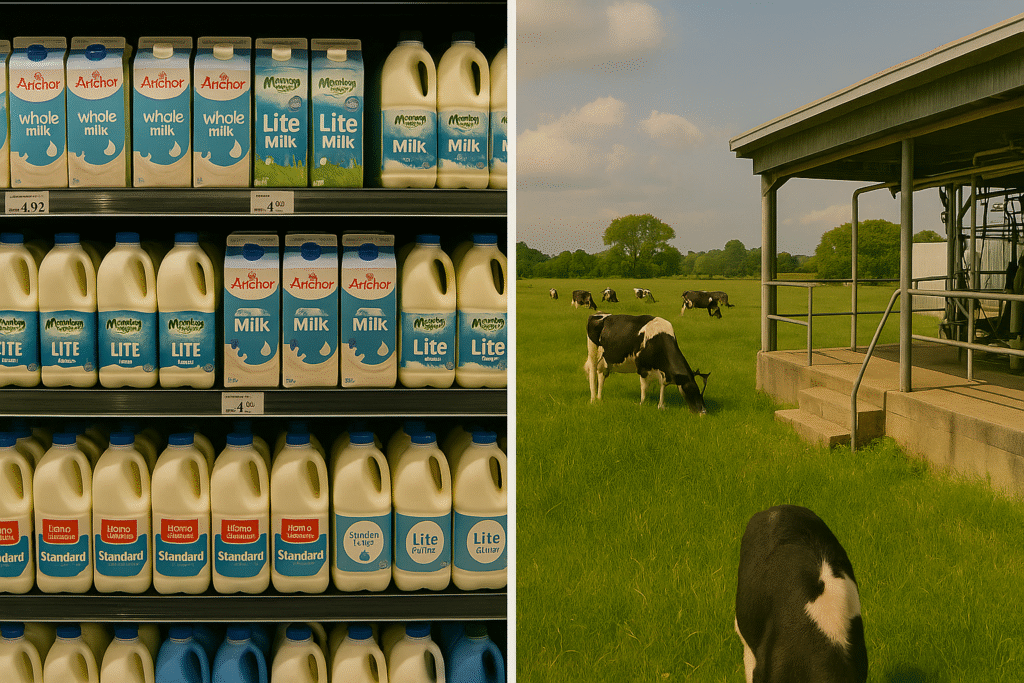
When people heard “Fonterra sold Anchor,” it sounded like NZ had lost a piece of its national story.
But here’s what actually happened:
🔹 Sold:
- Anchor, Mainland, Kāpiti, Primo, and other consumer-facing dairy brands
- Manufacturing plants and global distribution networks
- Marketing, packaging, brand rights
🔹 Kept:
- Milk collection from NZ farms
- Ingredient processing (powders, proteins, nutrition)
- Foodservice dairy business
- International ingredient partnerships
Farmers didn’t stop supplying milk.
Fonterra didn’t stop processing milk.
But Fonterra stepped out of the business of selling finished products to consumers.
💬 Why City Readers Are Confused
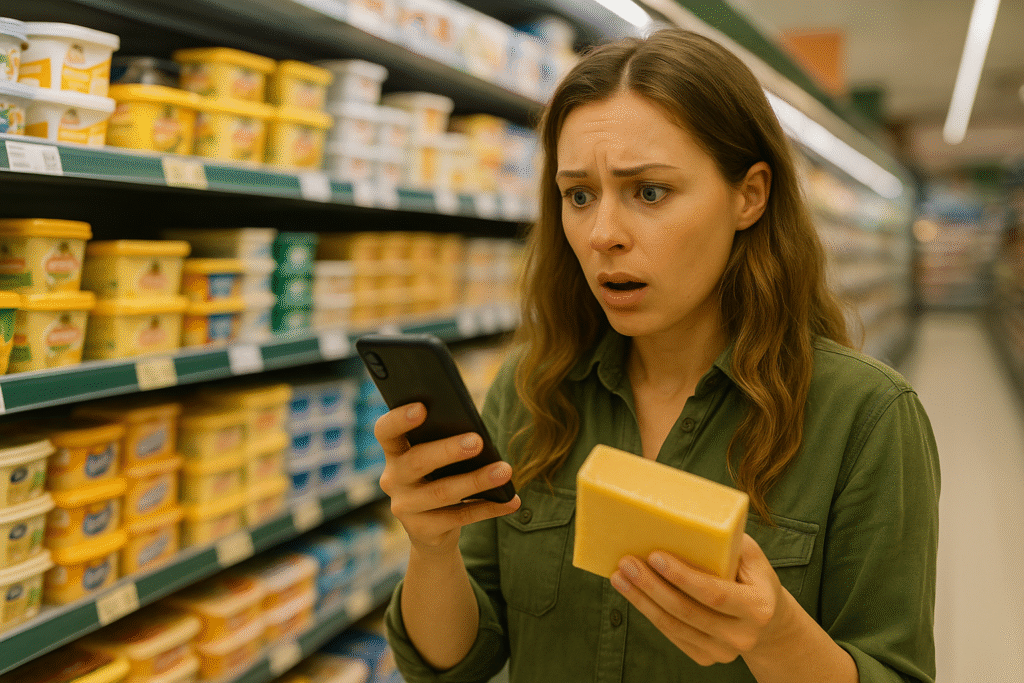
Most non-farmers only ever interact with dairy through the supermarket shelf.
So when they hear “Fonterra sold Mainland,” it feels like NZ has handed over its identity.
But for the people on the land, the story looks very different.
Farmers were not judging these brands based on nostalgia or supermarket visibility — they judged them based on return on investment, risk, strategy, and long-term stability.
This is where the rural–urban perception gap becomes obvious.
🐄 SECTION 1 — The Reality on the Farm
💰 1. A Once-in-a-Generation Capital Payout
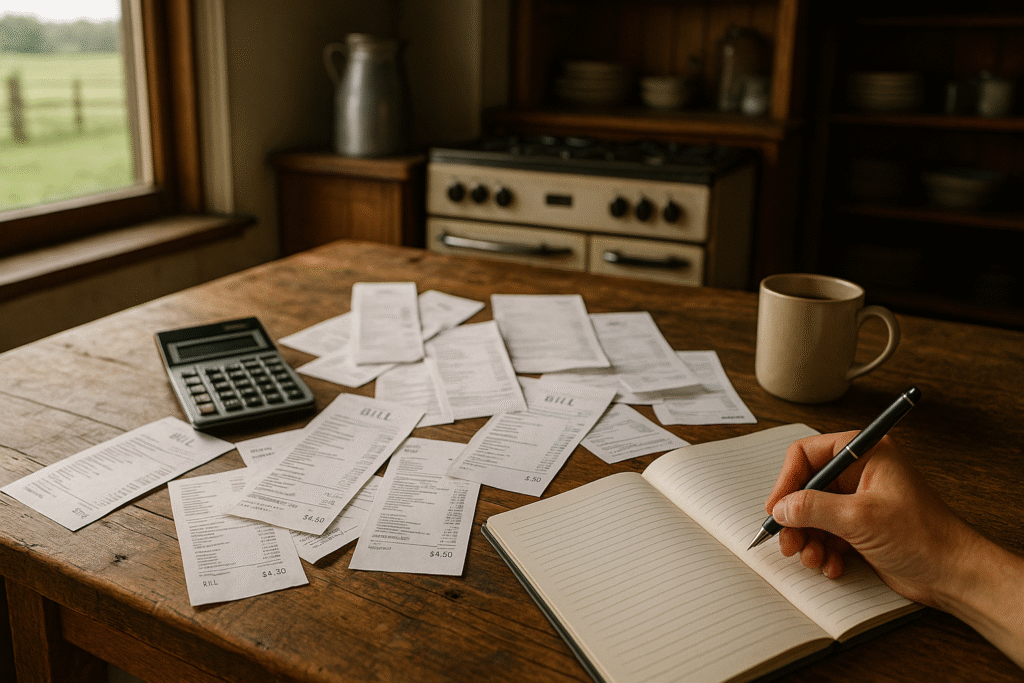
The sale is expected to return around:
💵 NZ$2.00 per share to farmer-owners.
💵 NZ$300,000 – $450,000 to the average farm (varies by shareholding).
For many farmers, especially those:
- battling rising interest rates
- needing to upgrade sheds or equipment
- carrying multi-million dollar debt
- facing costly environmental compliance
- handing farms to the next generation
…a windfall like this is life-changing.
Farmers don’t get bonuses.
They don’t get stock options.
They don’t get paid holidays or corporate perks.
This payout felt like a financial breather in an increasingly suffocating industry.
🧮 2. The Consumer Arm Was NOT the Profit Engine
Despite being famous, the consumer business represented only a small percentage of Fonterra’s total revenue and was highly volatile.
Margins were tight.
Competition was fierce.
Supply-chain costs were rising.
While ingredients and bulk dairy delivered stable returns, the consumer division delivered:
- lower profitability
- higher marketing costs
- unpredictable performance
To farmers, this wasn’t “the heart of the business.”
It was a risk-heavy branch attached to a stable trunk.
🔧 3. Fonterra Needed to Simplify
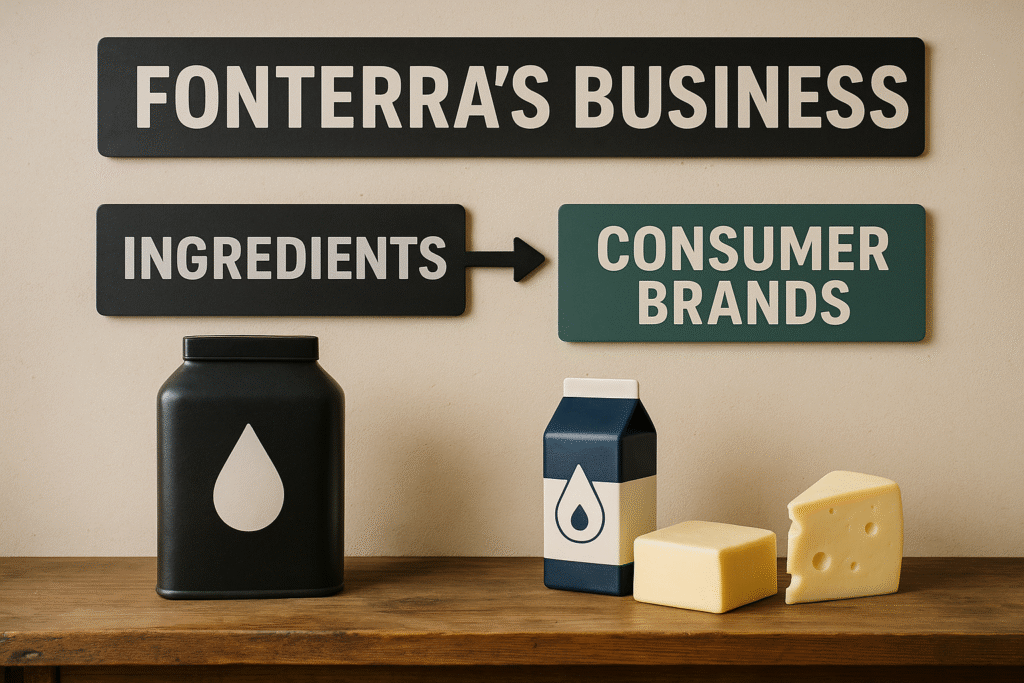
Running consumer brands requires:
- global marketing
- packaging design
- R&D for flavoured milks, yoghurts, specialty butters
- navigating supermarket politics
- logistics and distribution
- brand licensing
Farmers asked themselves:
“Do we really want to own all that — AND run the world’s largest dairy co-op — AND manage massive regulatory pressure on farming?”
Most said no.
Selling the consumer business allows Fonterra to focus on what it is globally excellent at:
- dairy ingredients
- foodservice
- nutrition solutions
- protein innovation
Not yoghurt packaging.
🌍 SECTION 2 — Global Pressures You Don’t See From the Supermarket Aisle
⛓️ 4. Consumer Dairy Is a Brutal Business
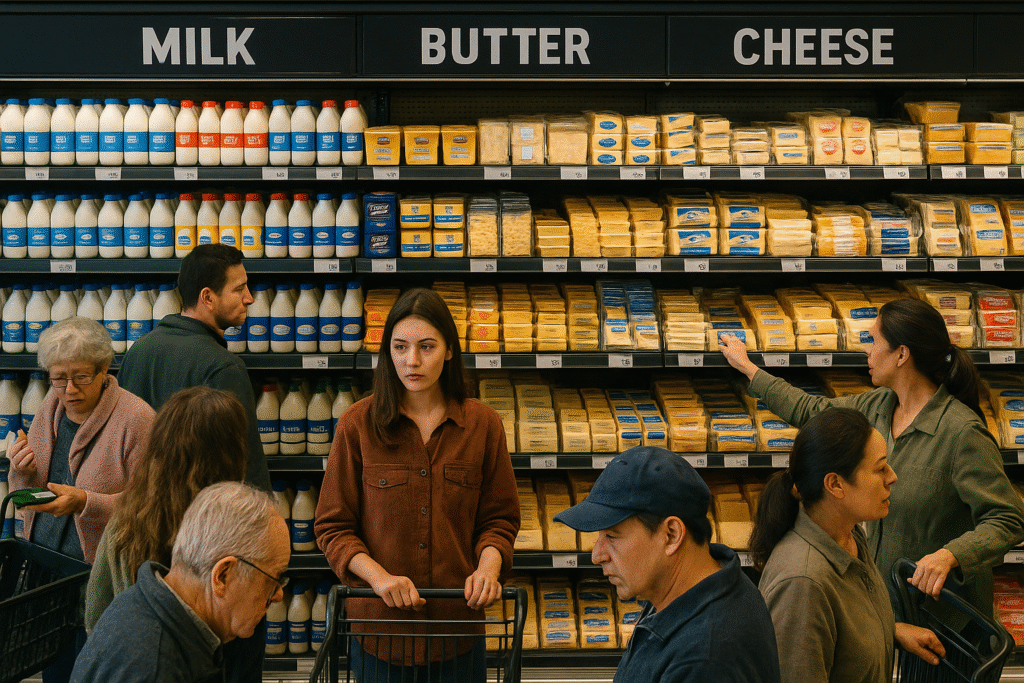
Supermarket space is a battlefield.
Competing brands throw millions at packaging, promotions, and advertising.
If Fonterra kept the brands, they’d need to invest enormous capital into:
- brand refreshes
- new product lines
- manufacturing innovation
- global marketing campaigns
- competing with mega-companies like Nestlé and Danone
Farmers asked:
“Is this where we want our co-op’s money to go?”
Again — most said no.
5. The World Is Changing Faster Than NZ Dairy Can Keep Up
Farmers are facing:
- climate regulations
- methane targets
- water-quality restrictions
- rising costs of fertiliser, feed, and machinery
- unpredictable commodity prices
- higher labour costs
- volatile export markets
Owning consumer brands did nothing to solve these problems.
Selling them did help farmers reduce financial stress NOW — rather than clinging to uncertain future returns.
🧊 6. Foreign Buyers Offered a Price Too Good to Refuse
If Lactalis — the largest dairy company in the world — was willing to pay billions, farmers saw it as:
✔ validation of strong brand value
✔ but also an opportunity to cash out at the peak
The question wasn’t:
“Are the brands good?”
It was:
“Are the brands worth MORE to someone else than they are to us?”
Farmers decided yes.
🏛️ SECTION 3 — Cultural vs. Practical Thinking
7. City Folk Think Emotionally About Brands.
Farmers Think Structurally.**
🧀 City folk see Mainland cheese and think:
➡️ Childhood memories. Family dinners. Kiwi identity.
🐄 Farmers see Mainland cheese and think:
➡️ Brand management costs. Margin pressure. Global competition. Risk. ROI.
Neither view is wrong — but they come from entirely different worlds.
Most New Zealanders don’t have to think about:
- interest rates
- compliance reports
- milk payouts
- debt servicing
- effluent systems
- environmental audits
For farmers, practical reality almost always wins over emotional nostalgia.
8. Yes — Farmers DID Feel Sad About Selling the Brands
Hundreds of farmers expressed genuine sadness.
These brands were part of their identity too.
But many farmers said something like this:
“I love the brands. But love doesn’t pay the bills.
I need stability for my farm and my family.”
SECTION 4 — What This Means for the Future
🔄 9. NZ Will Keep Supplying Milk — At Least for Now
Thanks to long-term agreements, Anchor and Mainland will still be made with NZ milk — at least initially.
So city consumers probably won’t notice changes immediately.
📦 10. The Big Shift: NZ Is Becoming an Ingredient Superpower
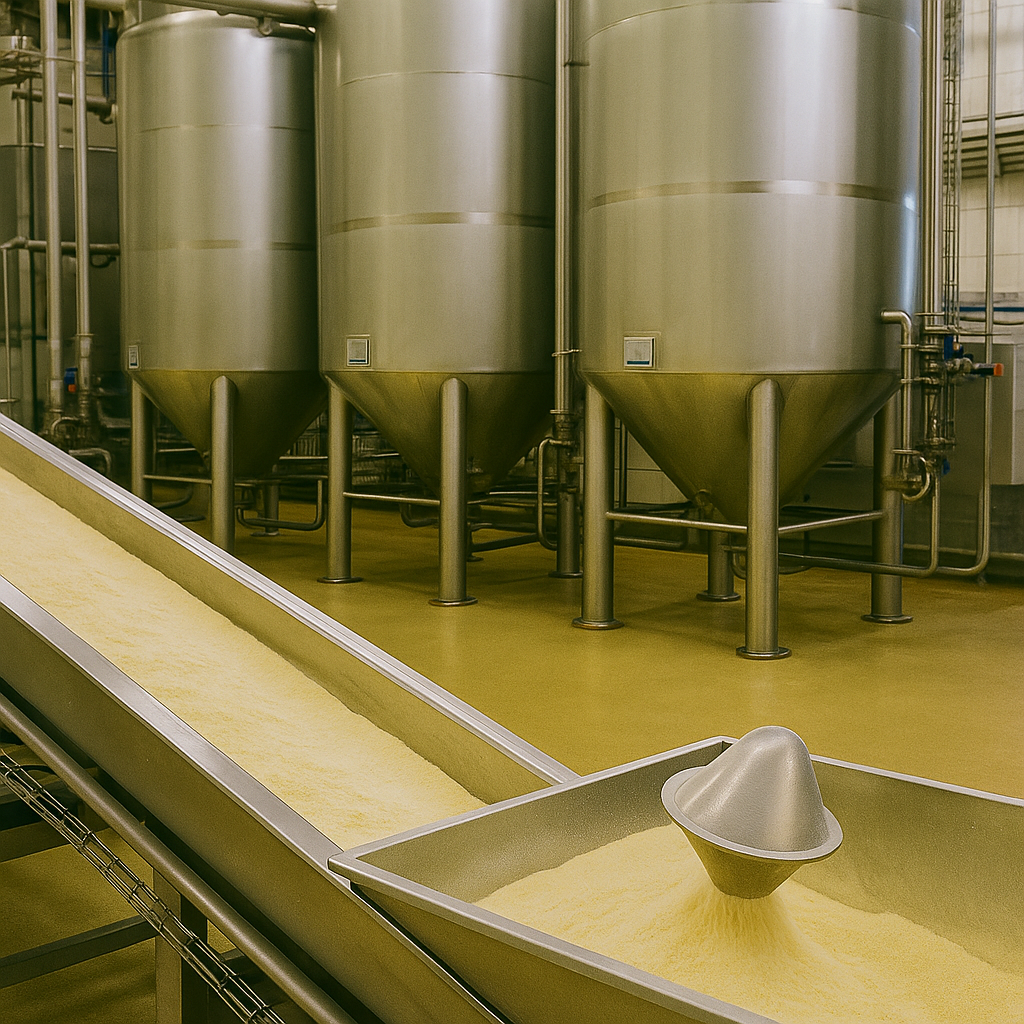
Fonterra is repositioning itself as a:
- dairy ingredients giant
- protein and nutrition innovator
- foodservice supplier to global chains
- bulk dairy exporter
This is where the highest predictable margins are.
Not in supermarket yoghurt wars.
⚠️ 11. But Critics Warn of Long-Term Risk
Experts worry:
- NZ may lose value-added capacity
- Branding control goes offshore
- Corporate decisions could reduce NZ milk sourcing later
- We become more dependent on commodity pricing
- We lose national ownership of food identity
These criticisms are valid — and the long-term consequences are unknown.
12. Will This Be Seen as a Brilliant Move…
Or NZ’s Biggest Missed Opportunity?**
Only time will tell.
If global dairy demand stays strong and Fonterra thrives in its new focus, the sale will look visionary.
But if:
- alternative proteins rise
- ingredient prices fall
- global oversupply increases
- value-added brands become goldmines
…then NZ may regret selling the crown jewels.
🧑🤝🧑 SECTION 5 — Why Farmers Voted “Yes,” Summarised Humanly
Here are the real reasons, in plain language:
Dairy farmers needed financial stability NOW.
They didn’t want to fund global brand wars.
Consumer business wasn’t delivering strong enough returns.
Fonterra needed to simplify and refocus.
The offer was good — really good.
The emotional loss didn’t outweigh the practical gain.
Farmers voted as business owners, not brand enthusiasts.
📝 Conclusion: A Logical Decision in an Emotional Landscape
To many New Zealanders, the sale of Anchor and Mainland feels like losing a piece of our cultural identity.
To farmers, the sale feels like:
✔ reducing risk
✔ unlocking capital
✔ strengthening long-term strategy
✔ returning to what the co-op does best
This isn’t a story about farmers “giving up” on NZ brands.
It’s a story about survival, strategy, and shifting global realities.
Whether this becomes one of NZ’s smartest business moves — or a historic misstep — depends on what happens next.
But one thing is certain:
Farmers didn’t vote lightly.
They voted with the weight of their livelihoods, families, debt, weather, markets, and future on their shoulders.
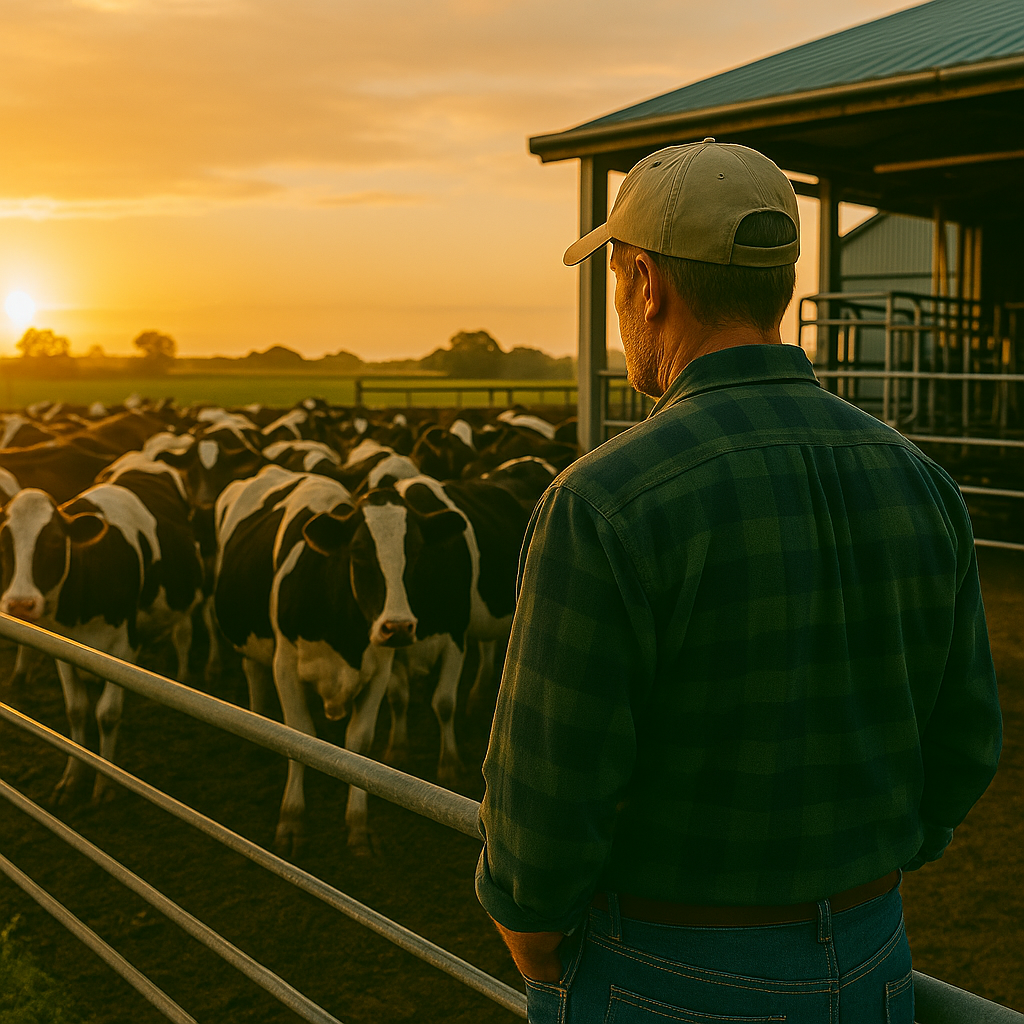
And that perspective deserves to be understood — especially by those far from the farm gate.