
🗞️ Why Farmers Feel Targeted: A Story From New Zealand, Australia & the UK — And What Happens If We Don’t Listen
🐄 A story about the widening gap between government offices and the people who grow our food.
🌅 1. The Morning the Letter Arrived
It was a cold, blue morning in Canterbury when Tom opened his mailbox and found yet another letter from the council.
Another rule, deadline, and requirement
“More paperwork for the same land,” he muttered, holding the envelope between numb fingers.
Tom’s farm had been in his family for four generations. His grandfather had broken the first paddocks with horses; his father had lived through the ’80s droughts. Now Tom’s biggest threat wasn’t weather, drought, or market collapse.
It was regulation, thought out by people that didn’t understand farming — and it was arriving faster than he could keep up.
Tom’s story isn’t unique. It echoes across New Zealand, drifts across the red dust of Australia, and whispers through the rolling hills of Wales and the English countryside.
Farmers across three nations are asking the same question:
“Why does our government feel like it’s working against us?”
This is the story of that tension — where it began, why it matters, and what happens if we keep ignoring it.
🏙️ 2. City Politics, Country Reality
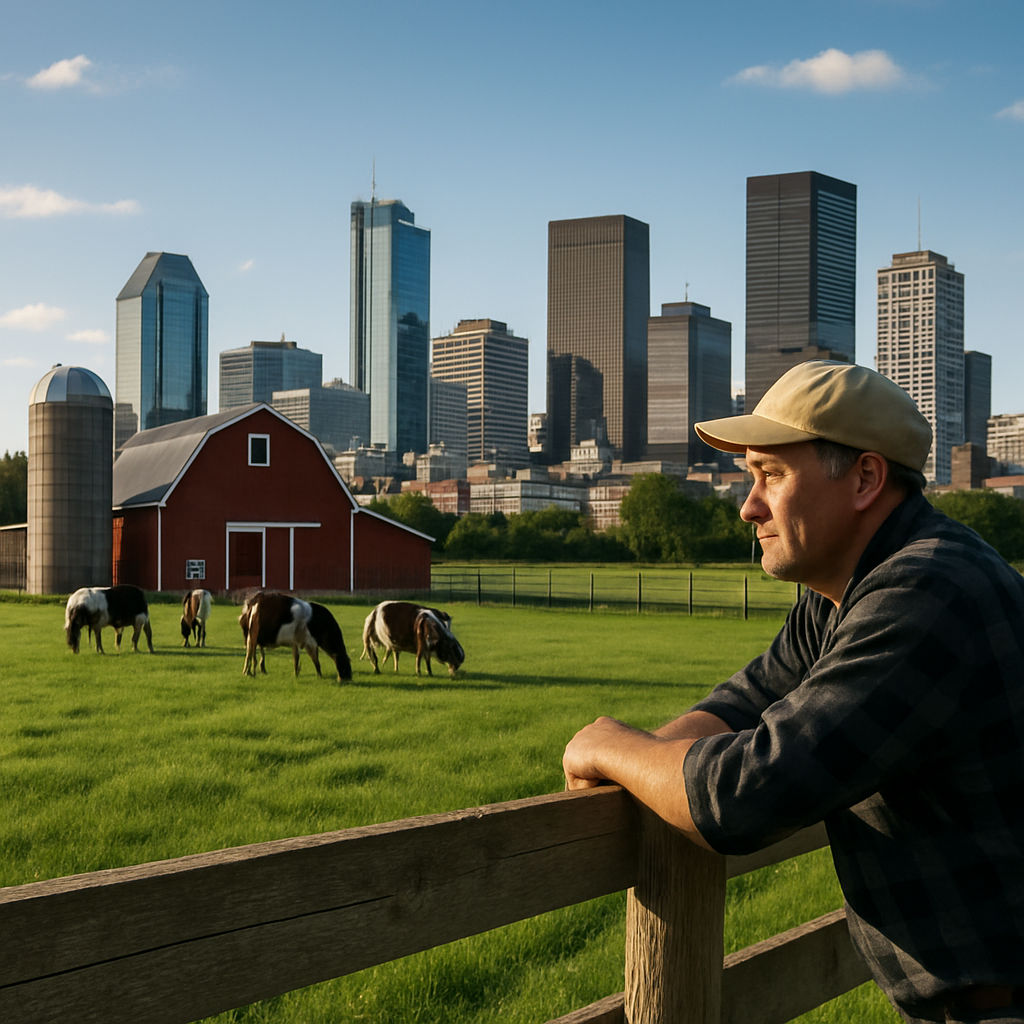
🌱 Urban vs Rural Divide
In Wellington, hundreds of kilometres north of Tom’s farm, politicians were discussing methane targets and freshwater reform over flat whites. From their perspective, the plan was clear:
- Cut emissions
- Protect rivers
- Modernise farming
- Meet global expectations
All of these goals sound reasonable — even noble — when you’re in a city where food comes from a neatly stacked supermarket shelf and water is piped in from a dam far away.
But on farms like Tom’s, each new rule meant:
- Another cost
- Another compliance form
- Another consultant
- Another restriction
And less time spent actually farming.
📉 The disconnect was widening.
City-based politicians, backed by urban voters and environmental groups, were designing policies with environmental goals in mind —
🌾 while rural families were struggling just to stay afloat.
🌍 3. The Climate Question — And the Pressure Cooker Effect
Every Labour government in NZ, Australia, and the UK shares a common passion:
🌱 climate action.
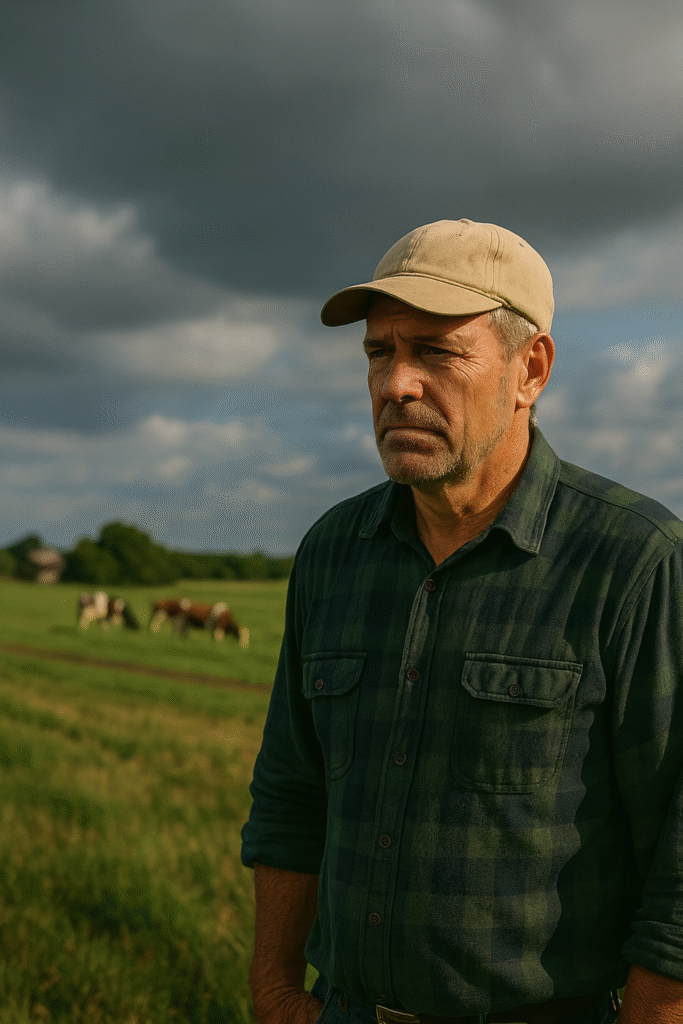
Farmers aren’t against climate action. Many of them care for the land more deeply than any activist group could imagine. But climate policy has become the biggest flashpoint.
🇳🇿 New Zealand: The Weight of Methane Targets
When New Zealand proposed pricing agricultural emissions, farmers felt blindsided.
🧾 He Waka Eke Noa,(which means; we are all in this canoe together)
💧 Freshwater rules
🚜 Stock exclusion
📊 Carbon reporting
🌱 Winter grazing restrictions
Each requirement came fast and hard. Farmers like Tom felt squeezed between rising expectations and shrinking margins.
🇦🇺 Australia: Water Wars in the Outback
Down in New South Wales, farmer Sarah watched the government buy back water rights while her crops wilted.
💧 Murray–Darling Basin rules
🔥 Bushfires
🌞 Heatwaves
📉 Rising input costs
She didn’t oppose environmental planning — she opposed being left out of the planning process.
🇬🇧 United Kingdom: Brexit Confusion & Bureaucracy
Across the world in Cumbria, James and Emily were staring at a confusing new set of environmental schemes.
📘 New payment systems
📝 Endless paperwork
⚖️ Unstable markets
📦 Cheaper imports flooding shelves
The environmental incentives were noble, but the method felt punishing.
🌪️ In all three nations, farmers felt pushed, pressured, and unheard.
🐑 4. “Do They Even Want Us to Keep Farming?”
At town halls, field days, saleyards, and kitchen tables, a quiet fear spreads:
“Are these rules meant to help us — or phase us out?”
A fear strengthened by:
- Policies that shrink farmable land
- Emission targets that seem impossible
- Costs that exceed profits
- Messaging that blames farmers for environmental decline
Farmers aren’t perfect — and they’ll say so themselves — but the tone of political messaging matters.
Instead of:
- “Thank you for feeding the country,”
they often hear: - “You’re a problem we need to solve.”
💼 5. The Real Cost: Compliance, Consultants & Complexity
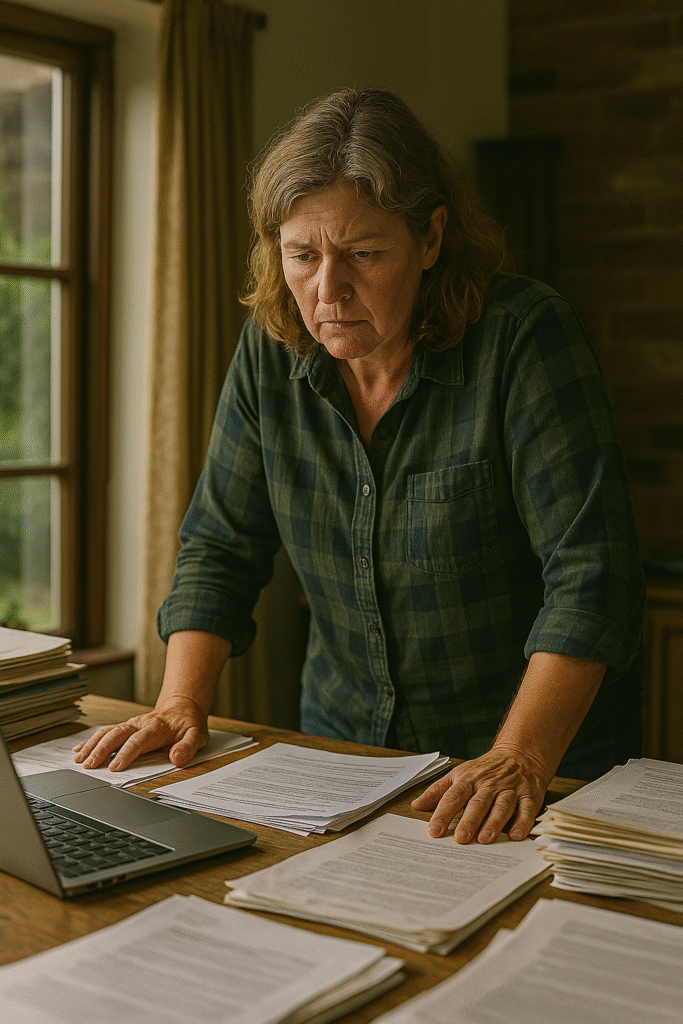
A government paper may only contain a few paragraphs.
But translating those paragraphs into real life requires:
📊 Monitoring
📆 Reporting
💸 Consultants
🔧 Infrastructure upgrades
🚫 Land-use changes
🧪 Testing
🗂️ Audits
Tom calculated it once:
By lunchtime each day, before he drove a tractor or fed a single animal, he had already done an hour of unpaid paperwork.
Multiply that across tens of thousands of farms, and the economic cost becomes staggering.
💰 6. The Economic Backbone No One Talks About
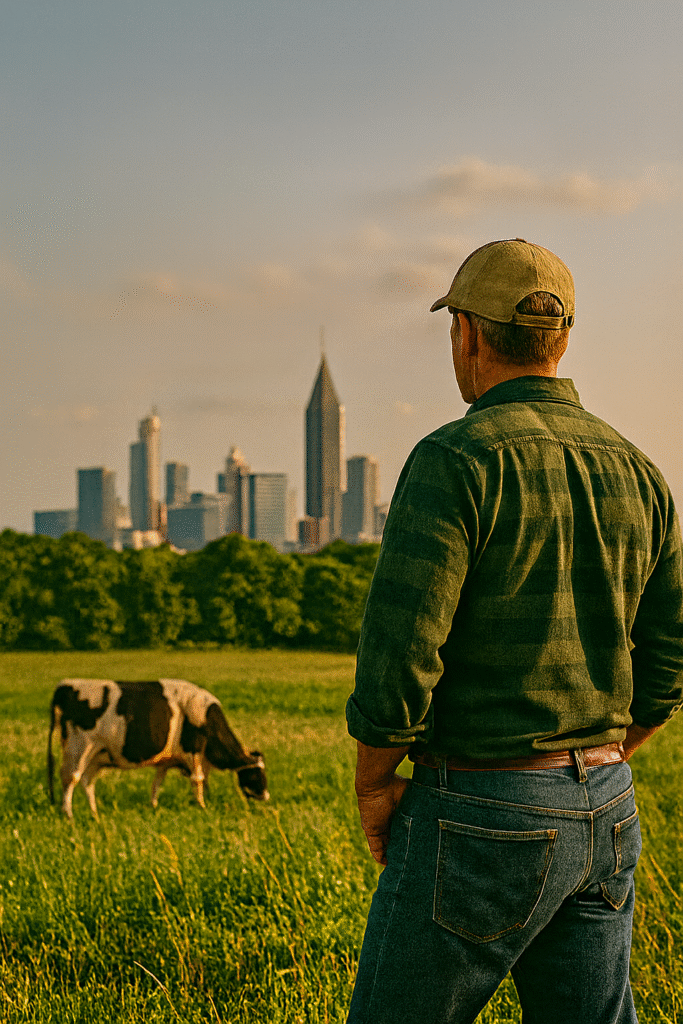
Politicians praise tech, trade, tourism, and innovation. Yet rarely do they highlight agriculture — the silent engine behind it all.
🇳🇿 New Zealand
🌟 80% of export earnings come from agriculture.
🇦🇺 Australia
🌾 Agriculture keeps regional towns alive and exports booming.
🇬🇧 United Kingdom
🍞 Without strong domestic production, food prices and imports become volatile.
And yet, in all three nations, farmers rarely hear the words:
“We value you.”
Instead they hear:
“Reduce stock numbers.”
“Change your practices quickly.”
“Meet targets faster.”
Agriculture, ironically, has become politically unfashionable — despite being economically essential.
👥 7. The People Who Make the Rules Don’t Know the People Who Work the Land
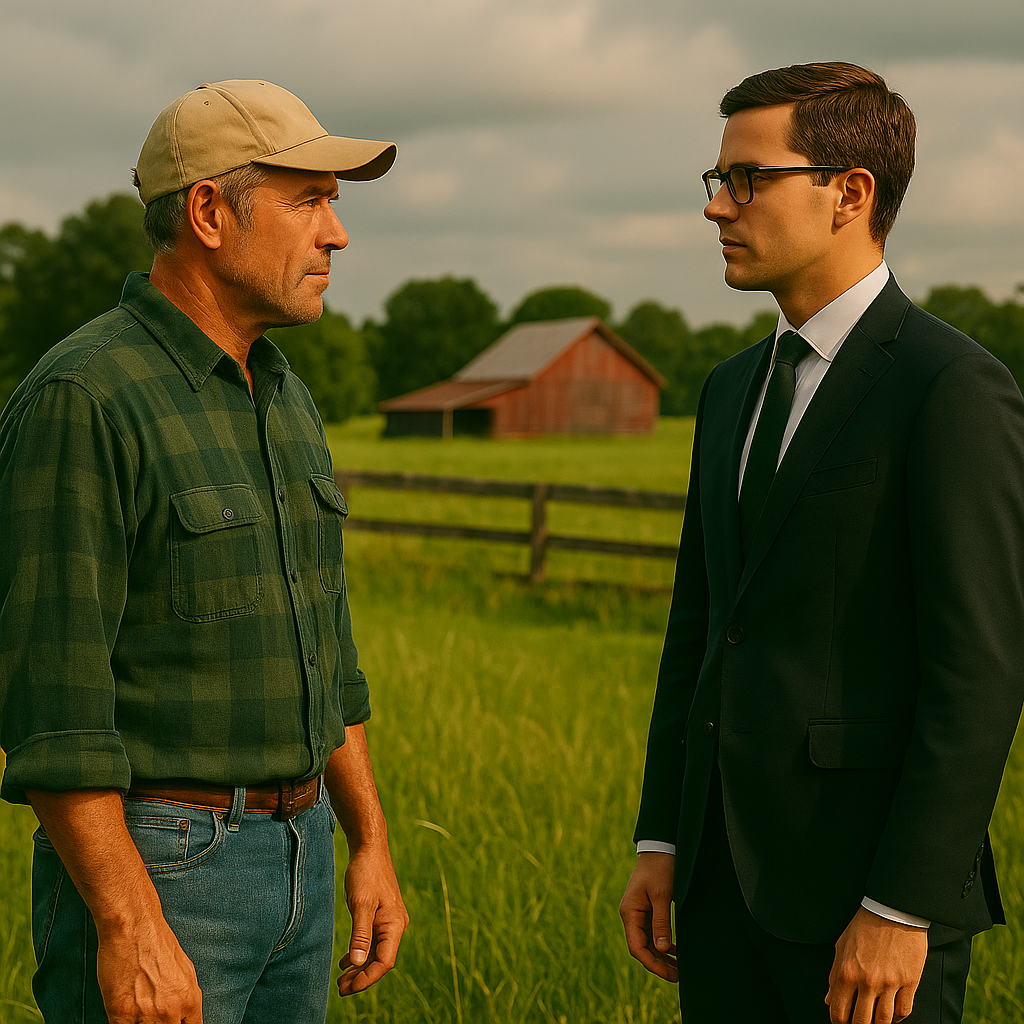
This is perhaps the heart of the story.
In every country, there is a massive cultural gap between:
🏛️ Policymakers
and
🐄 Farmers
Politicians often come from:
- Law
- Business
- Academia
- Public policy
- Unions
- Media
Farmers come from:
- Multi-generational family operations
- Hard physical labour
- Long days outdoors
- Hands-on land management
- Generational knowledge
One group works at desks.
The other works in dirt.
Neither world understands the daily reality of the other.
And when one side writes rules for the other without shared understanding — resentment grows like weeds.
📉 8. What Happens If This Pressure Continues?
Tom’s story represents thousands of others. If government pressure escalates without partnership, three dangerous outcomes emerge:
❌ 1. Family Farms Disappear
Corporate farming fills the void. Local knowledge disappears.
❌ 2. Food Prices Rise
Less local production = more imports = higher costs.
❌ 3. Rural Communities Collapse
Schools close, shops shut down, towns hollow out.
❌ 4. Countries Become Dependent on Imports
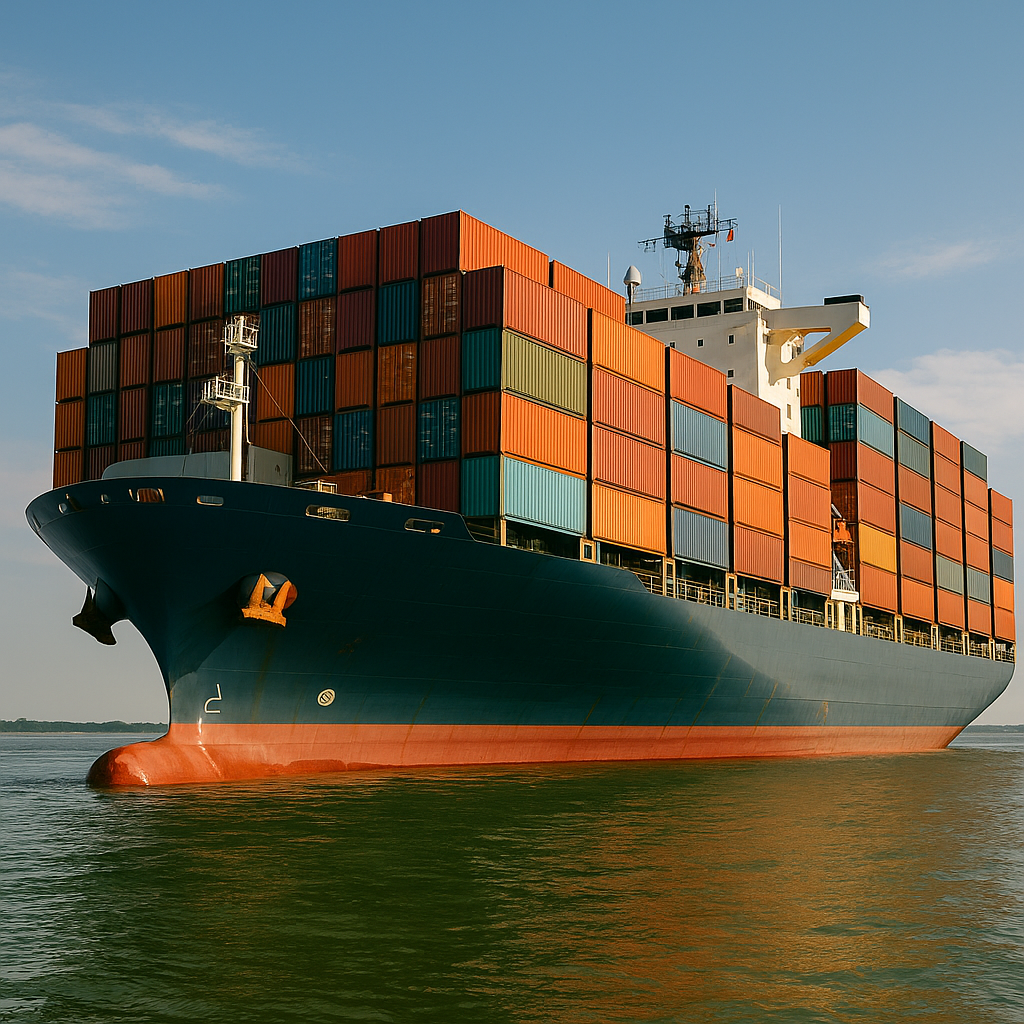
A dangerous vulnerability in unstable global markets.
❌ 5. Young People Leave Farming
Too much pressure. Too little reward.
The world cannot afford this.
🔄 9. What Could Change Everything? Partnership.
This story doesn’t need a tragic ending. It can shift — if governments choose a different path.
Here’s what farmers are asking for:
🤝 Real consultation
Not tick-box meetings after decisions are made.
⏳ Reasonable timelines
Change takes seasons, not weeks.
💬 Respectful messaging
Farmers are partners, not problems.
🔧 Support for innovation
Tech and sustainability must be achievable.
⚖️ Balanced policy
Climate goals + economic reality = workable solutions.
No farmer expects perfection from government.
They just expect fairness — and a seat at the table.
🌄 10. Tom’s Hopes And Outlook For The Future
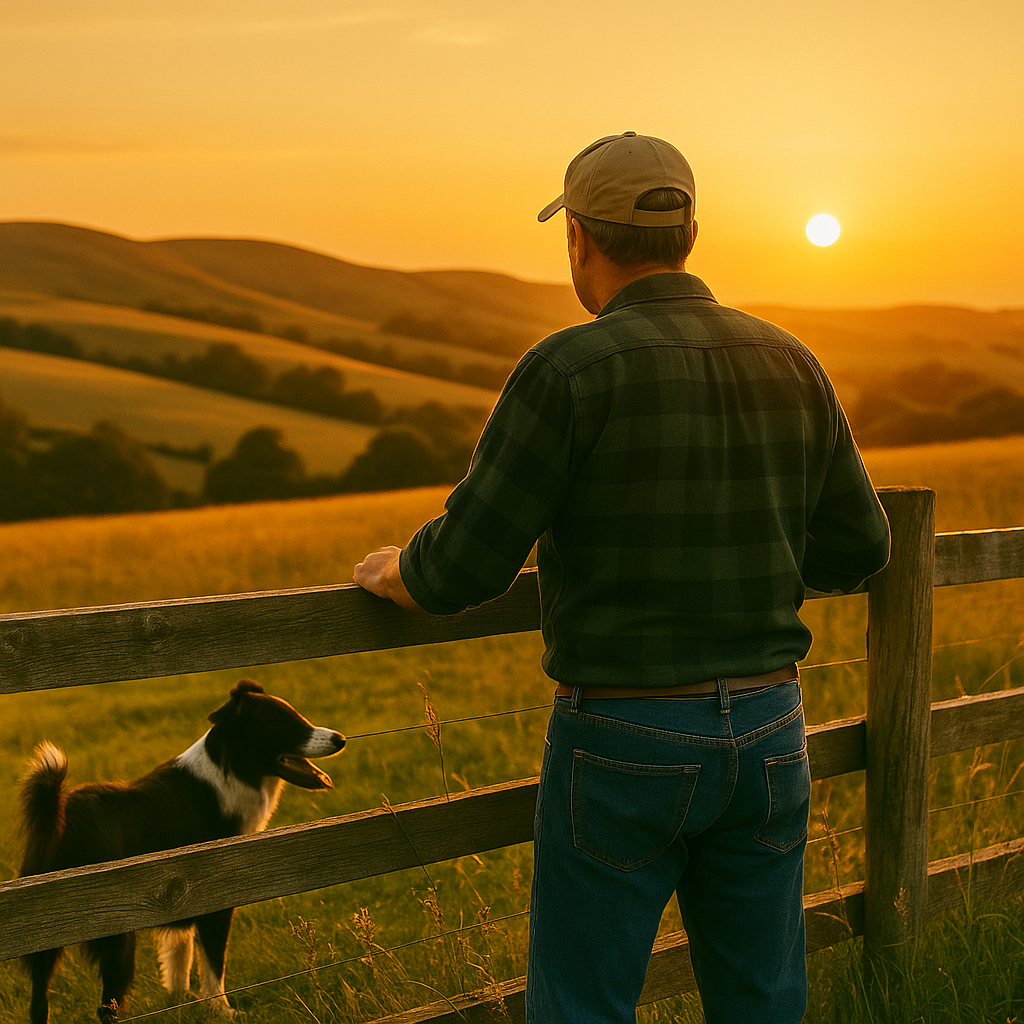
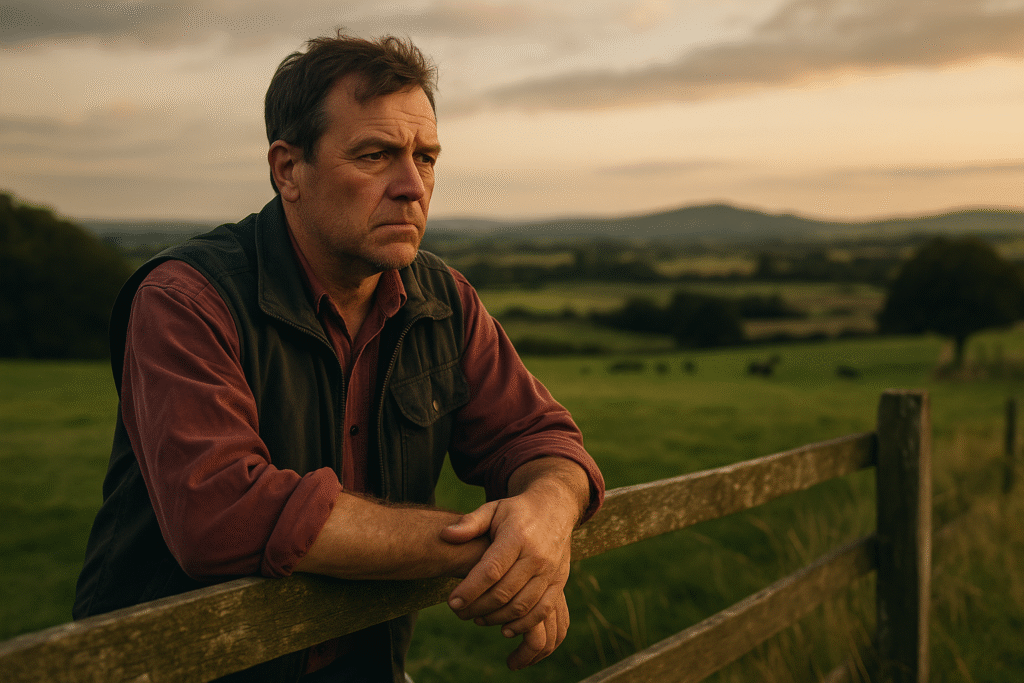
Late in the afternoon, Tom walked to the back boundary of his farm. The hills glowed gold under the setting sun. His dog trotted beside him, tail wagging.
He rested his hands on the fence and looked across the land his family had cared for for nearly a century.
“We’ve always adapted,” he whispered.
“We’ll adapt again.”
But adapting doesn’t mean being silent.
Across NZ, Australia, and the UK, farmers are raising their voices. Not out of anger — but out of hope:
🌾 Hope that governments will listen.
🌾 Hope that the public will understand.
🌾 Hope that farming will be valued, not vilified.
Because without farmers:
- There is no food.
- There is no export strength.
- There is no stable economy.
- There is no rural community.
And no nation can survive without the people who feed it.
🗞️ Epilogue: A Newspaper Message to the Public
If you’ve read this far, you’ve walked alongside Tom, Sarah, James, and Emily…
…four farmers who represent thousands.
Their message is clear:
“We aren’t against change. We are against being left out of it.”
The future of food depends on partnership — city and country, government and grower, consumer and producer.
And perhaps, just perhaps, the next time a policymaker writes a new rule, they’ll think of someone like Tom standing at his boundary fence — the land behind him, the future ahead of him, and the hope that someone is finally listening.